
PESHAWAR, Dec 30 (APP):A conservation initiative in Khyber Pakhtunkhwa has suffered a heartbreaking setback as a pair of rare Koklass pheasants (Pucrasia macrolopha), reared in captivity to study their breeding ecology and support reintroduction into the wild, died after contracting a viral infection. The birds were being raised by Mohibullah Naveed, a young wildlife conservationist from Haripur district, as part of an ex-situ conservation effort aimed at protecting the elusive …
Koklass pheasants reared in captivity to study breeding ecology of rare bird die of viral infection
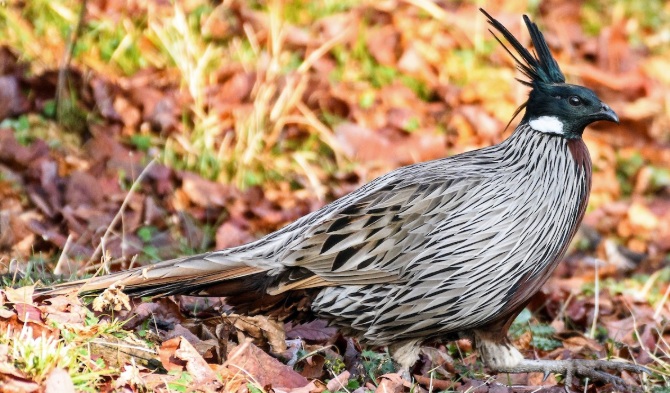
PESHAWAR, Dec 30 (APP):A conservation initiative in Khyber Pakhtunkhwa has suffered a heartbreaking setback as a pair of rare Koklass pheasants (Pucrasia macrolopha), reared in captivity to study their breeding ecology and support reintroduction into the wild, died after contracting a viral infection.
The birds were being raised by Mohibullah Naveed, a young wildlife conservationist from Haripur district, as part of an ex-situ conservation effort aimed at protecting the elusive species.
“The incident highlights immense challenges associated with ex-situ conservation, protecting the elusive species outside their natural habitat, Mohibullah told APP.
He said vaccine for fowl pox, a slow spreading viral disease in birds often transmitted through mosquitoes, was not available in market due to which he could not manage to administer the preventive dose to birds.
Known for its striking beauty and elusive nature, Koklass pheasant is a medium-sized bird confined to high altitude forests.
In Khyber Pakhtunkhwa, Koklass pheasants are found in different forests at Kohistan, Hazara, Gilgit Baltistan, AJK, Galliyat.
Mohibullah informed that Koklass pair was reared by him in captivity after purchasing eight eggs of the birds from a Bukkarwal (a member of goat rearing pastoral community) during his research based field visit in forest.
“After collecting eggs, I placed them in an incubator, successfully hatching all of them into eight chicks of the rare bird species,” Naveed recalls.
Since Koklass chicks were being raised in captivity for the first time, a lack of knowledge about their feeding habits led to the loss of six chicks. However, two survived and had grown into healthy adult birds, Mohib told.
This was the first ever attempt of growing of Koklass pheasant in captivity and there were hopes of obtaining valuable insights to its conservation,” he added.
With the captive Koklass pheasant grown a year old, Mohibullah expected that the pair will lay eggs and the population will grow for eventually reintroducing of the birds into their native habitats, restoring birds in areas where they have disappeared.
However, sudden attack of the fowl pox viral infection thwarted the conservation of Koklass pheasant through breeding of chicks in captivity, Naveed laments.
“I tried my best to save the ailing birds by consulting veterinary doctors and experts, including those at the Dodial Pheasantry in Mansehra district, but all my efforts went in vain”.
He also informed that several attempts by Wildlife Department of Khyber Pakhtunkhwa with support from World Pheasants Association for Ex-Situ conservation of Koklass pheasant through breeding of chicks in captivity were made but results were not successful even in initial stage due to lack of expertise and knowledge about feeding requirement of the bird.
“After researching online, I found that Koklass chicks thrive on a high-protein diet so I arranged green forage, insects, larvae, and other protein-rich sources to feed them,” he added.
Naveed said he was optimist that his initiative will not only contributes to conservation of this rare bird but also lay the groundwork for future research and protection efforts.
“Unfortunately, the viral outbreak proved fatal, shattering all hopes of advancing captive breeding of the Koklass pheasant at this stage,” he added.
Regarding future conservation trials, Naveed said these would depend on the availability of eggs, noting that the species is rare and elusive, making it extremely difficult to obtain eggs for another breeding attempt.