KARACHI, Feb 13 (APP): Three students from the University of Karachi have proposed an innovative solution to utilize the city’s massive organic waste problem and have won the Texitech Best Pitch Award, an award established by Dr. Amtul and sponsored by Mr. Sohail-ur-Rahman, CEO of Texitech Pakistan. According to a spokesperson for the International Centre for Chemical and Biological Sciences (ICCBS), University of Karachi, the three students — Wahid Ullah …
Karachi University’s students develop eco-friendly solution for city’s waste crisis
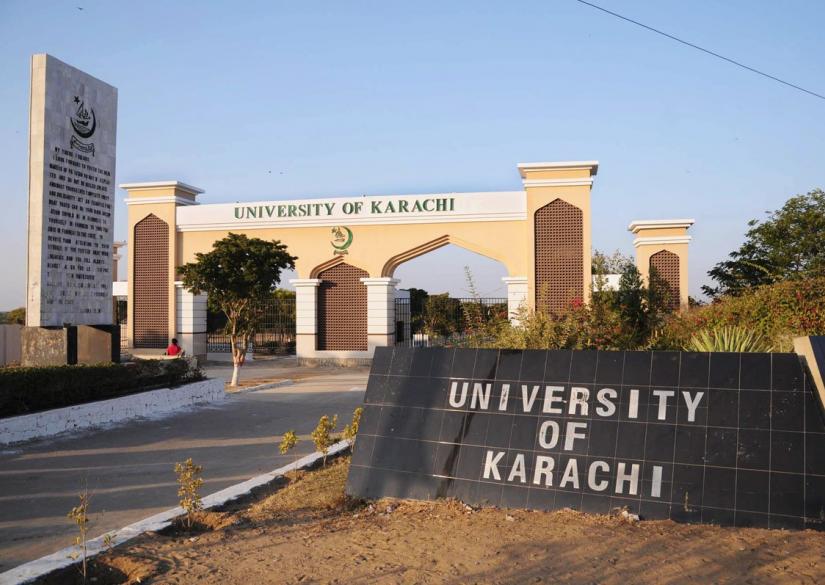
KARACHI, Feb 13 (APP): Three students from the University of Karachi have proposed an innovative solution to utilize the city’s massive organic waste problem and have won the Texitech Best Pitch Award, an award established by Dr. Amtul and sponsored by Mr. Sohail-ur-Rahman, CEO of Texitech Pakistan.
According to a spokesperson for the International Centre for Chemical and Biological Sciences (ICCBS), University of Karachi, the three students — Wahid Ullah from ICCBS and Anabia Siddiqui and Sarah Zafar from the Department of Biotechnology — received the Texitech Best Pitch Award for their project.
Prof. Dr. Muhammad Raza Shah, Director of ICCBS, University of Karachi, congratulated the students on their achievement.
Speaking at the award distribution ceremony held recently, the students explained that Karachi generates more than 12,000 tons of solid waste daily, a large portion of which consists of organic waste such as leftover food from homes, markets, hotels, and restaurants. Most of this waste is dumped into already overcrowded landfills such as Jam Chakro and Gond Pass, where it decomposes in the open, producing foul odors, attracting pests, releasing harmful gases, and gradually damaging soil and groundwater.
They emphasized that while Karachi’s waste challenge is enormous, it does not necessarily require expensive or imported solutions. Instead, working with nature rather than against it can offer sustainable answers. Turning food waste into animal feed and fertilizer is one practical step toward a cleaner and healthier city.
“Our proposal outlines an eco-efficient method to convert urban organic waste into protein-rich animal feed, organic bio-fertilizer (frass), and valuable biochemical compounds using the nutrient-rich larvae of the Black Soldier Fly,” the students said.
They added that this technology is already being used in several countries across Asia and Africa. The process does not involve genetic modification and does not spread disease.
The larvae are rich in protein and can be used as animal and poultry feed, helping to reduce reliance on expensive imported feed. Meanwhile, the leftover material, known as frass, serves as a natural fertilizer that improves soil health.