PESHAWAR, Dec 16 (APP):Pakistan’s escalating climate emergencies are beginning to erode the stability of HIV care across the country, according to a new national study released by Association of People Living with HIV (APLHIV). Drawing on insights from 300 respondents in climate-affected districts, the study provides some of the first community-led evidence on how floods, heatwaves, and sudden weather extremes are reshaping access to essential HIV services. The study was …
Climate emergencies disrupting HIV care across country, APLHIV study warns
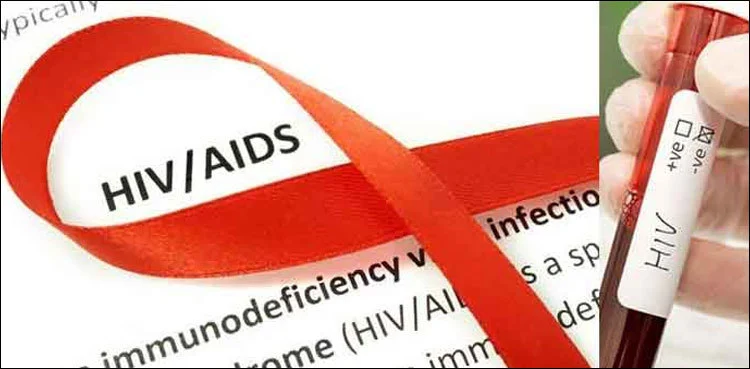
PESHAWAR, Dec 16 (APP):Pakistan’s escalating climate emergencies are beginning to erode the stability of HIV care across the country, according to a new national study released by Association of People Living with HIV (APLHIV).
Drawing on insights from 300 respondents in climate-affected districts, the study provides some of the first community-led evidence on how floods, heatwaves, and sudden weather extremes are reshaping access to essential HIV services.
The study was conducted from July to September 2025 under the supervision of National Coordinator APLHIV, Asghar Satti and Deputy National Coordinator Uzair Tariq.
The findings revealed a clear link between climate shocks and treatment disruptions. Respondents described being unable to reach health facilities during floods, facing damaged roads, closed clinics, and transport costs that surged beyond reach.
Many were forced to delay appointments or ration medicines because traveling was unsafe or impossible during extreme weather.
Economic strain further magnified these challenges. Climate-related loss of income, damaged homes, and rising daily expenses made it difficult for people living with HIV to prioritize transport and care.
Women, in particular, reported greater mobility barriers and safety concerns, as well as increased care-giving responsibilities during and after disasters.
The study also highlights major service gaps as participants pointed to inconsistent counselling, limited follow-up after missed doses, and communication failures during facility closures or supply delays.
Stock-outs and disrupted supply chains were more common in areas repeatedly hit by floods.
However, facilities with strong community linkages and proactive staff were better able to maintain continuity of care during emergencies.
Despite these constraints, the study documents significant community resilience. Respondents described supporting each other by arranging shared transport, identifying safe routes, pooling resources, or coordinating medicine pick-ups when clinics were inaccessible.
These grassroots efforts helped prevent complete treatment collapse at the height of disaster events.
APLHIV’s research calls for urgent action to climate-proof Pakistan’s HIV response and recommended strengthening supply chains, expanding community-based refill models, improving emergency transport mechanisms, building gender-responsive care pathways, and integrating HIV services into national disaster management planning.
Importantly, the study emphasizes the indispensable role of community organizations in crisis conditions.
With their deep local networks, trusted presence, and ability to respond rapidly where formal systems stall, groups like APLHIV are often the only link keeping treatment, information, and support flowing to affected populations.
As climate shocks intensify, the study argues, investing in community-led structures is not optional, it is essential to safeguarding Pakistan’s progress against HIV and ensuring no one is left behind.