
PESHAWAR, Jan 07 (APP):In the narrow, timeworn lanes of Peshawar’s ancient bazaar of Qisakhwani, the rhythmic tap of chisels on wood and the earthy scent of fresh shavings tell a story of craftsmanship. Despite the flood of imported and factory-made kitchenware, the centuries-old craft of wooden cutlery continues to survive quietly but steadfastly in the bustling city long known as a cradle of artisans. Peshawar, shaped by nearly 2,700 years …
Carved in time: Peshawar’s wooden cutlery makers hold ground in plastic age
PESHAWAR, Jan 07 (APP):In the narrow, timeworn lanes of Peshawar’s ancient bazaar of Qisakhwani, the rhythmic tap of chisels on wood and the earthy scent of fresh shavings tell a story of craftsmanship.
Despite the flood of imported and factory-made kitchenware, the centuries-old craft of wooden cutlery continues to survive quietly but steadfastly in the bustling city long known as a cradle of artisans.
Peshawar, shaped by nearly 2,700 years of documented history and influenced by pre-Greek, Mughal and colonial civilisations, remains a living museum of traditional craftsmanship especially of wooden cutlery.
Its famed markets especially Misgran Bazaar, Ratti Bazaar, Dabgari Gardens and the legendary Qissa Khwani Bazaar still echo with the skills of generations past.
“Walking through these bustling streets feels like stepping back in time, where heritage competes with modernity at every corner,” said Faud Ishaq, former President, Sarhad Chamber of Commerce and Industry.
He said these centuries old craftmanship was identity of Peshawar that needs to be encouraged at highest Govt level.
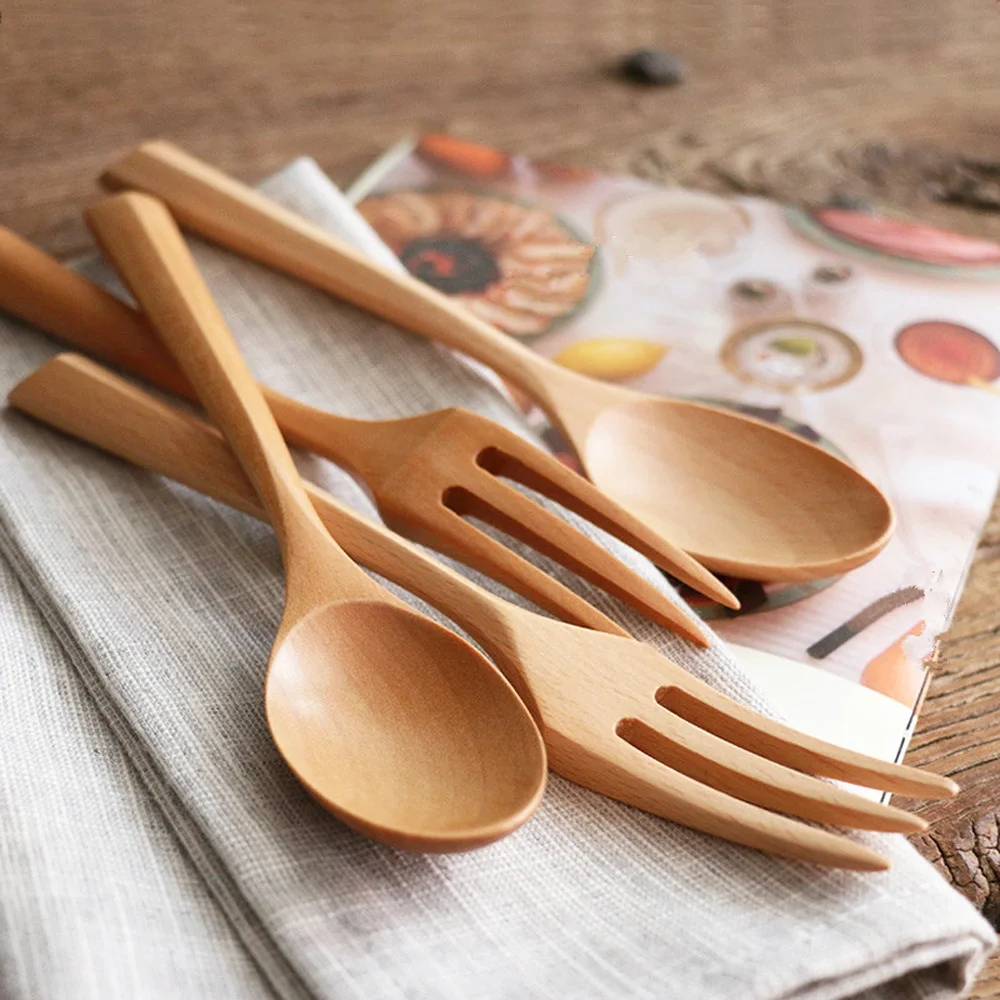
In Qissa Khwani Bazaar, the air vibrates with the clinking of metal tools and the scraping of wood. Shops lined with handcrafted utensils such as wooden spoons, kneading plates, curd mixers, blenders and bowls draw curious onlookers.
Though modest in appearance, these items reflect the painstaking labour, patience and dedication of local craftsmen.
“Wooden cutlery is still alive in Peshawar despite foreign-made goods influx,” said Umar Khan, a shopkeeper at Misgran Bazaar.
“We still have loyal customers for whom we specially produce these items despite plastic age,” he said.
Umar said that while the use of wooden utensils has declined in recent decades due to innovation in utensils and the availability of stainless steel and plastic alternatives, demand has not disappeared due to its affordable prices and unque standards.
“Wooden utensils are mostly cheaper than stainless steel or aluminium and are preferred by middle-class families, especially for weddings,” he explained.
He said such craftsmanship needs digital projection and monetary support before it fade away.
Beyond affordability, many customers value tradition and health. “People believe food cooked in clay pots and stirred with wooden spoons tastes better,” Umar added.
Fayaz Khan, a buyer said that from a hygiene perspective too, wood and clay are considered safer than utensils made with certain chemical components. He said that he purchased kitchen wood utensils for marriage of his daughter. He said many customers send it abroad as gift especially at UAE and Saudi Arabia.
The appeal of wooden cutlery is particularly strong among rural communities from Khyber Pakhtunkhwa and Punjab, where traditional cooking methods remain part of daily life.
For them, these utensils are not decorative relics but practical tools tied to memory, culture and identity.
However, the survival of this heritage is far from guaranteed. Experts warned that societal transformation and rapid modernisation threaten the future of indigenous crafts.
A recent study conducted by educationists at Khyber Pakhtunkhwa universities highlighted a complex relationship between the growing preference for industrial products and the decline of traditional crafts.
The study cited several factors contributing to the downturn, including inadequate infrastructure, reduced production, low financial returns, and a fading interest among younger generations who are increasingly shifting to other careers.
Sajjad Hameed, General Manager of the KP Tourism and Culture Authority, said the provincial government is aware of these challenges. “We are making all-out efforts to preserve this valuable heritage and promote it within Khyber Pakhtunkhwa and beyond,” he said.
Cultural experts argued that more concrete steps are needed. They stressed the importance of granting traditional crafts an industrial status, providing financial support to artisans, and creating platforms to market their products nationally and internationally.
As modernisation steadily reshapes lifestyles and consumption patterns, the wooden cutlery of Peshawar stands as a symbol of versatile craftmanship rooted in history still has a place in contemporary life, if given the care and recognition it deserves.