PESHAWAR, Feb 11 (APP):The ancient craft of basket weaving, once a unique tradition of Khyber Pakhtunkhwa (KP), was gradually fading into obscurity as steel, glass and wooden products dominate the local market. The time-honored art form, particularly practiced in Peshawar, Nowshera, Charsadda, Mardan, DI Khan, erstwhileFata besides Mardan and Hazara divisions was historically rooted in the use of reed and osier, with intricately woven designs that reflected the skill and …
Call for KP govt patronage to save basket weaving craft from extinction
PESHAWAR, Feb 11 (APP):The ancient craft of basket weaving, once a unique tradition of Khyber Pakhtunkhwa (KP), was gradually fading into obscurity as steel, glass and wooden products dominate the local market.
The time-honored art form, particularly practiced in Peshawar, Nowshera, Charsadda, Mardan, DI Khan, erstwhileFata besides Mardan and Hazara divisions was historically rooted in the use of reed and osier, with intricately woven designs that reflected the skill and creativity of local craftsmen.
Today, this craft was slowly disappearing in KP, with many artisans started turning to more profitable ventures as the demand for their baskets dwindles in the wake of steel and glass made products.
Riaz Khan, a 62-year-old basket-weaving artisan from Pabbi market, is one of the few who continues to uphold the craft passed down from his grandfather and father.
He recalls how his father’s baskets were in high demand, used by beekeepers for artificial hives, bird enthusiasts for rearing, and later as decorative items.
Over his father’s 60-year career, customers traveled from across the region, including Punjab, erstwhile FATA, and even Afghanistan, to purchase these woven creations. Riaz, who learned the craft as a child, continues the tradition, training his own son in the same skill.
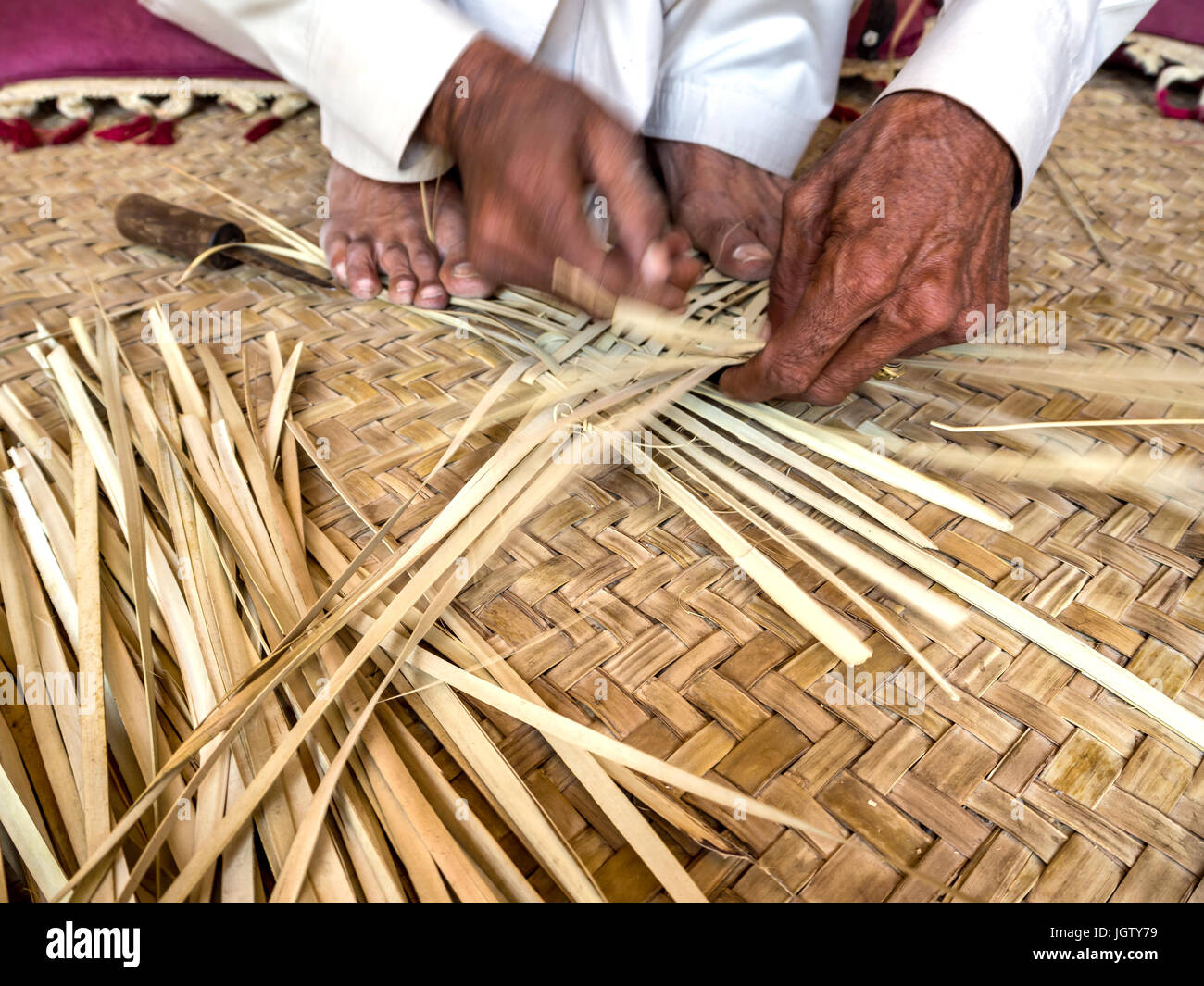
The process of creating these traditional baskets is labor-intensive and requires immense skill.
“It begins with the collection of flexible willow stems, or osier, which are harvested between mid-July and September. After being stripped and dried in the sun, the stems are immersed in water to enhance their elasticity.”
By December and January, he said the osier is ready for weaving. “The craft involves an intricate process of interlacing the flexible rods into a variety of shapes and patterns, with each basket requiring painstaking attention to detail. The result is a highly durable product that showcases the weaver’s craftsmanship.”
Despite the beauty and cultural significance of these handmade baskets, he said the industry faces severe decline in KP, particularly in Peshawar in recent years due to deforestation and deep inroads of glass and steel made products.
Markets once known for their basketry, including Qissa Khwani, Firdus, Dabgari gardens and Meena Bazaars, have transformed into general goods, food and furniture stores.
However, there are few remaining artisans are primarily engaged in repairing cane furniture and creating decorative baskets for tourists and fans.
Many of these weavers have also diversified their skills, shifting to furniture-making as demand for traditional baskets continues to wane in Khyber Pakhtunkhwa.
Consumers are feeling the effects of this shortage. Faraz Khan, a customer from Nowshera, recently visited Dabgari market– once a hub of such products seeking decorative baskets for his home but was taken aback by the high prices.
The scarcity of this unique craft has driven prices skyward, leaving many unable to afford them. There are growing concerns among locals that the government needs to step in to regulate prices and ensure the preservation of this ancient art.
Zahid Shinwari, former President of the Sarhad Chamber of Commerce and Industry, emphasized the economic potential of KP’s basket weaving and furniture-making industries.
He pointed out that KP’s woven baskets and furniture have always been in high demand, especially in Gulf countries, Afghanistan, and Central Asia.
Shinwari advocated for government incentives to support artisans and boost economic activity in this sector, including the strengthening of a Common Facilitation, Manufacturing and Training Centre (CFMTC) in Hayatabad.
This center could provide modern machinery, a wood bank, and a display center, which would go a long way in revitalizing the industry.
Ibrahim Khan, Director of the KP Forest Department, revealed that steps are being taken to promote indigenous plants used in basket weaving.
Local plants are being prioritized during the spring plantation campaign, with the Forest Force actively working to protect forests and curb timber smuggling.
The department has also set up check-posts and established a special forest court to expedite legal proceedings related to timber crimes.
While these efforts are commendable, industry stakeholders urged the provincial government to take stronger actions against elements involved in deforestation and timber smuggling.
By granting industrial status to the furniture and weaving sector, providing easier access to loans for small and medium-sized enterprises (SMEs), and encouraging the installation of solar systems for artisans, the experts said that KP could restore its basket weaving heritage to its former glory.
As the unique craft of basket weaving faces gradual extinction in KP, many hope that the call for government patronage will help preserve this ancient art form, allowing future generations to appreciate and continue the rich cultural legacy of Khyber Pakhtunkhwa.