
KARACHI, Jan 15 (APP):Sindh’s bio-saline agriculture initiative has reclaimed 460 acres of salt-affected and waterlogged land across four districts, achieving nearly 70 percent of its overall target under the “Bio Saline Agriculture Research & Development Phase-II” project. The project aims to reclaim a total of 600 acres by June 30, 2026, and is being implemented under the Directorate General of Agriculture Research Sindh with funding from the provincial Annual Development …
Bio-saline farming project reclaims 460 acres of salt-affected land in Sindh
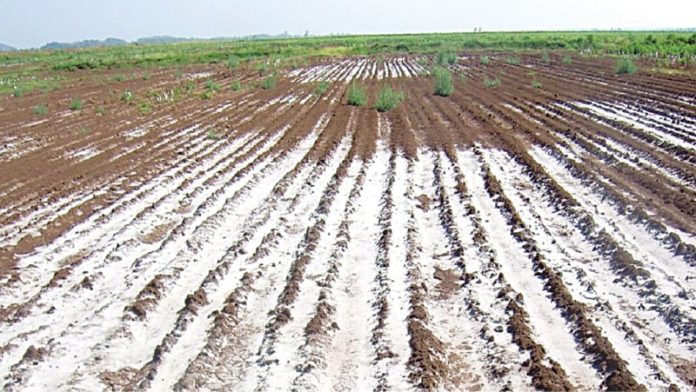
KARACHI, Jan 15 (APP):Sindh’s bio-saline agriculture initiative has reclaimed 460 acres of salt-affected and waterlogged land across four districts, achieving nearly 70 percent of its overall target under the “Bio Saline Agriculture Research & Development Phase-II” project.
The project aims to reclaim a total of 600 acres by June 30, 2026, and is being implemented under the Directorate General of Agriculture Research Sindh with funding from the provincial Annual Development Programme (ADP).
Director General Agriculture Research Sindh Dr Mazharuddin Keerio told Wealth Pakistan that the reclaimed land is located in Tharparkar, Umerkot, Tando Adam and Khairpur Mirs districts which are severely affected by soil salinity and waterlogging.
He said the core objective of the project is to convert saline and waterlogged land into arable farmland through the cultivation of crops and plants that can tolerate high salinity and excess moisture. Over time, this biological approach helps reduce salinity levels and improves soil structure, enabling the land to support a broader range of crops.
Currently, crops such as falsa, chiko (sapodilla), isabgol (psyllium), mustard, lemon and berries are being grown under the project, as these varieties are well suited to saline and waterlogged conditions, he said.
“We expect that within the next five years, this land will become fertile enough to support additional crops as well. The aim is to gradually transform infertile land into productive farmland,” Keerio said.
The bio-saline agriculture project was approved on October 5, 2022, and was initially launched in Tharparkar, Khairpur Mirs and Umerkot.
Key activities under the initiative include experimental research and the establishment of demonstration plots on farmers’ fields using salt-tolerant crops, trees, grasses and plant species. These measures are intended to enhance land productivity, raise farm incomes and support poverty reduction in rural areas.
The project also promotes community participation through the formation of Salt Land User Groups, ensuring local involvement in rehabilitating marginal lands. In addition, climate-smart agriculture practices and high-efficiency irrigation systems are being encouraged, particularly in arid regions such as Thar.
Sindh continues to face widespread soil salinity and waterlogging, affecting millions of hectares of cultivable land. Similar research efforts by Sindh Agriculture University and other institutions are exploring the use of saline water resources and identifying crops suitable for harsh environmental conditions.
The initiative further supports value-chain development by providing investment subsidies for enterprises linked to bio-saline agricultural products, with the aim of strengthening the rural economy.