
- Advertisement -
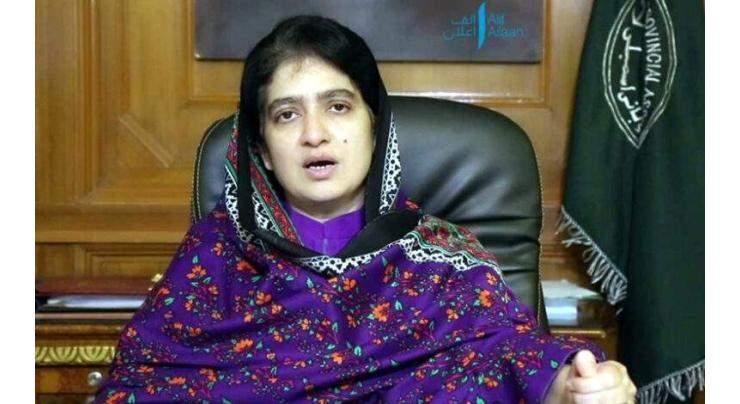
QUETTA, Dec 18 (APP):Balochistan Education Minister Raheela Hameed Durrani has emphasized that menstrual health and hygiene (MHH) is not merely a health concern but a critical education, dignity, and equity issue, stressing that ongoing tax and policy reforms aimed at reducing the cost of menstrual products can significantly benefit girls and women, particularly in underserved communities of Balochistan.
She made these remarks while addressing the meeting of the Menstrual Health and Hygiene Working Group (MHMWG) Secretariat, Balochistan, held in Quetta, supported by UNICEF Pakistan.
The meeting brought together representatives from government departments, development partners, civil society organizations, including UNICEF, representatives from Education Department, Balochistan Rural Support Programme (BRSP), Shaheed Bhutto Foundation (SBF), Poverty Eradication Initiative (PEI), and covered various aspects of future planning.
The participants reviewed progress made during the year and outlined priorities for future collaboration.
Raheela Durrani noted that improved access to affordable menstrual products and awareness can directly reduce school absenteeism among adolescent girls. She underscored the need for sustained coordination between education, health, and social development stakeholders to ensure that policy commitments translate into tangible impact on the ground.
Briefing participants on the Secretariat’s progress, Dr Tahira Kamal Baloch, Chairperson MHMWG Secretariat, Balochistan, highlighted key milestones achieved during the year. She shared updates on inter-departmental coordination, advocacy efforts around MHH integration in education and health programs, and progress on action points agreed during the previous quarterly meeting.
Dr Tahira emphasized that the Secretariat is steadily evolving into a coordinated platform to align policy, programming, and advocacy around menstrual health in the province.
Nurjis Tahira Khan, Company Secretary, Shaheed Zulfikar Ali Bhutto Foundation, assured participants of the Foundation’s active support in facilitating the process at the federal level through sustained and effective engagement with parliamentarians to advance menstrual health and hygiene tax reforms.
Representatives from partner organizations shared insights from their ongoing interventions and reaffirmed their commitment to supporting government-led efforts to mainstream menstrual health and hygiene across sectors.
Shahana Tabbasum, Provincial Manager MHMWG Secretariat, shared details of several ongoing initiatives, including the MHH tax reforms campaign.
The meeting concluded with a collective resolve to strengthen collaboration, track implementation of agreed actions, and advance a rights-based approach to menstrual health—ensuring dignity, inclusion, and educational continuity for girls and women across Balochistan.