Gujranwala, Nov 03 (APP):Pakistan Ulema Council (PUC) Chairman Hafiz Muhammad Tahir Mahmood Ashrafi has called for a collective effort to ensure Pakistan's peace, stability, and defense, emphasizing that these are shared responsibilities for all citizens, particularly religious leadership. Addressing a grand Ulema and Mashaikh Conference on Monday, Ashrafi declared that the religious leadership stands united with the State and Armed Forces of Pakistan to combat extremism, sectarianism, and violence. The …
Ashrafi urges collective role of religious leaders in peace, stability
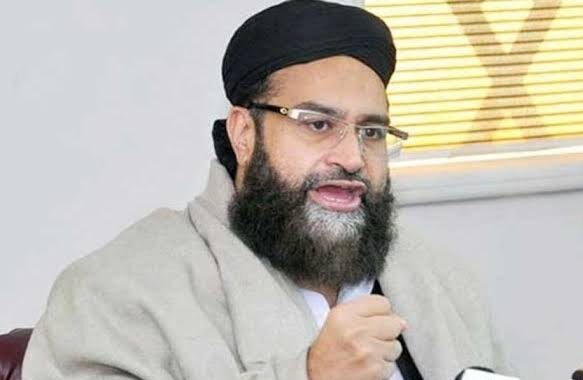
Gujranwala, Nov 03 (APP):Pakistan Ulema Council (PUC) Chairman Hafiz Muhammad Tahir Mahmood Ashrafi has called for a collective effort to ensure Pakistan’s peace, stability, and defense, emphasizing that these are shared responsibilities for all citizens, particularly religious leadership.
Addressing a grand Ulema and Mashaikh Conference on Monday, Ashrafi declared that the religious leadership stands united with the State and Armed Forces of Pakistan to combat extremism, sectarianism, and violence. The conference, organized by the Pakistan Ulema Council, brought together over 1,000 religious scholars and spiritual leaders from across all schools of thought, including minority communities. The event culminated in a joint declaration where attendees pledged full cooperation with the government to ensure national stability and eliminate extremist ideologies.
Ashrafi stressed that Pakistan’s enemies are attempting to sow division through sectarian discord, but the unity among various religious schools of thought in the country remains the strongest defense against such efforts. “No one will be allowed to disrupt this atmosphere of peace and brotherhood,” he asserted.
The conference also touched on the Punjab government’s recent announcement of a Rs 25,000 monthly stipend for imams. Ashrafi addressed criticism against the initiative, clarifying that the stipend is voluntary and non-political. He emphasized that no mosque or seminary is being closed and that the protection and regulation of religious institutions remain a top priority for both the government and the Ulema Council. “The conscience of the custodians of the Mimber and Mahraab cannot be bought for twenty-five thousand rupees,” he said.
On regional and foreign policy issues, Ashrafi urged Afghanistan’s leadership to prevent the use of Afghan soil for terrorism against Pakistan, reiterating that Pakistan values its longstanding cultural ties with Afghanistan. However, he made it clear that terrorism originating from across the border will not be tolerated. “We have hosted Afghan refugees for decades, and we still shelter over 1.5 million refugees, but cross-border terrorism must stop,” he stated.
Ashrafi also spoke on the importance of exercising restraint and upholding the rule of law, emphasizing that confrontations that harm citizens or law enforcement must be avoided. He added that no life lost in such conflicts should be politicized.
Further addressing international relations, Ashrafi reiterated Pakistan’s commitment to supporting Palestine, with the ultimate goal of establishing an independent Palestinian state with Al-Quds Al-Sharif as its capital. He also clarified that Pakistan’s military would only intervene in Gaza to defend and assist the oppressed Palestinian people, rejecting false narratives suggesting otherwise.
Ashrafi praised the Pakistan–Saudi Arabia Defense Agreement as a major diplomatic achievement, reinforcing Pakistan’s pivotal role as a trusted ally and protector of the Two Holy Mosques. “We consider ourselves the soldiers of the Haramain Sharifain,” he remarked, underscoring the deep spiritual and strategic bond between Pakistan and Saudi Arabia.
The conference also reaffirmed support for the “Paigham-e-Pakistan” initiative, which promotes interfaith harmony, tolerance, and peaceful coexistence within Pakistani society.
Gujranwala Commissioner Syed Naveed Haider Shirazi, who also addressed the gathering, praised religious scholars for their contributions to national unity and for discouraging extremism. Prominent speakers at the event included Maulana Khalid Hassan Mujaddidi, Maulana Shahbaz Rasul, Maulana Mustafa Jajja, Maulana Akbar Naqshbandi, Allama Tahir-ul-Hasan, Maulana Zubair Khattana, Allama Shabbir Ahmad Chishti, and Pir Muhammad Moin Hussain Chishti, who all expressed their commitment to the unity and security of Pakistan.