
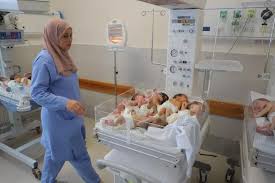

RAWALPINDI, Feb 25 (APP):The Al-Shifa Trust Eye Hospital has said that around one million babies are born prematurely in Pakistan each year, with up to 45 per cent at risk of developing Retinopathy of Prematurity (ROP). This retinal disorder can cause permanent blindness if not treated within the first weeks of life.
The hospital recently treated seven-month-old premature twins, Ibrahim and Ismail, who were diagnosed with ROP.
According to the hospital’s Department of Paediatric Ophthalmology and Strabismus, doctors promptly initiated treatment, averting irreversible damage.
Their condition has since improved, and they continue to attend regular follow-up appointments.
Dr Amjad, a paediatric ophthalmology expert at Al-Shifa Trust Eye Hospital, said improved neonatal survival rates had increased the number of infants at risk of the disease. He explained that retinal blood vessels begin forming about three months after conception and normally complete development at full-term birth. Premature delivery disrupts this process and may trigger abnormal vessel growth that damages the retina.
Since launching a dedicated ROP programme in March 2013, the Al-Shifa Trust Eye Hospital has treated approximately 19,000 premature infants, providing specialised expertise and equipment to manage the condition.
He said infants weighing less than 1.5 kilograms at birth faced the highest risk, adding that carefully controlled oxygen saturation levels in premature babies could reduce the incidence of advanced ROP.
The trust has established arrangements with several hospitals to facilitate screening, transportation and surgery for high-risk newborns. Tele-ophthalmology services link remote units, including some overseas, enabling early diagnosis and specialist guidance free of charge.
Dr Amjad urged health authorities to make retinal screening mandatory for all preterm infants and to expand ROP-capable facilities beyond the limited number of centres currently available.
The trust has established arrangements with several hospitals to facilitate screening, transportation and surgery for high-risk newborns. Tele-ophthalmology services link remote units, including some overseas, enabling early diagnosis and specialist guidance free of charge.