RAWALPINDI, Sep 20 (APP):Pakistan’s electricity system serves more than 40 million consumers and generates vast amounts of data daily, but the information remains scattered across databases, reporting systems and digital platforms. Energy-sector reform practitioner and technology entrepreneur Talha Khalid said the Ministry of Energy, Power Division has introduced a sector-wide Data Governance Framework and established the Power Sector Data Governance Council to standardise, validate, share and improve the use of …
40 million consumers: Pakistan’s power sector moves towards data governance
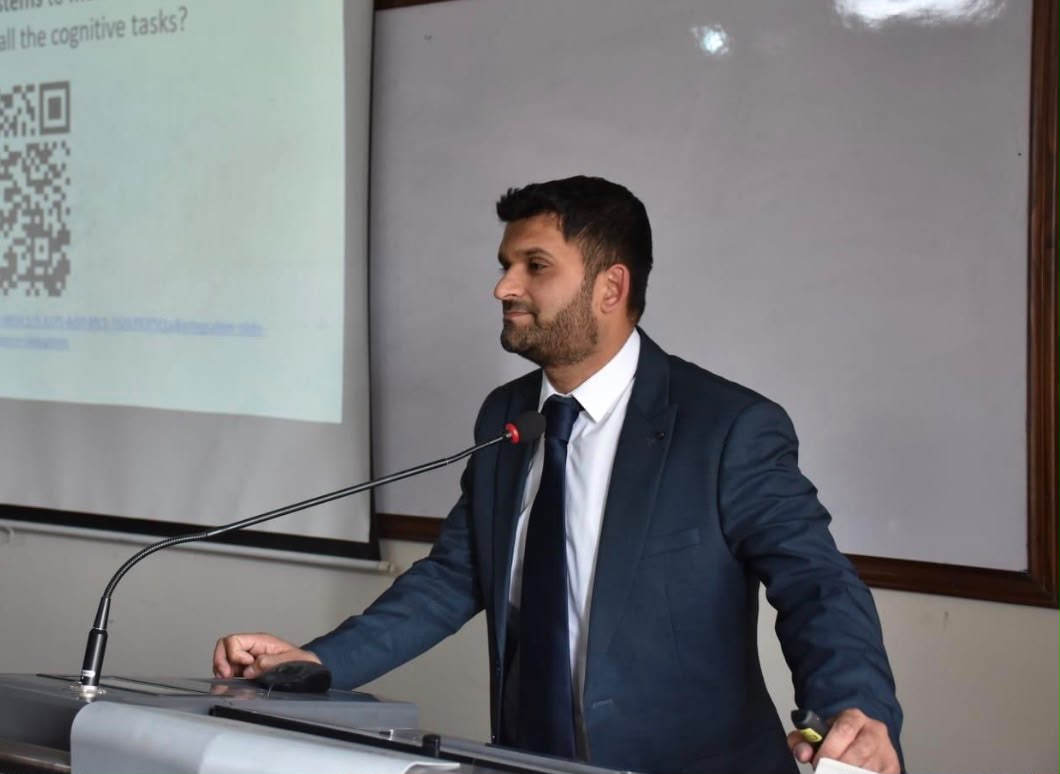
RAWALPINDI, Sep 20 (APP):Pakistan’s electricity system serves more than 40 million consumers and generates vast amounts of data daily, but the information remains scattered across databases, reporting systems and digital platforms.
Energy-sector reform practitioner and technology entrepreneur Talha Khalid said the Ministry of Energy, Power Division has introduced a sector-wide Data Governance Framework and established the Power Sector Data Governance Council to standardise, validate, share and improve the use of information across the electricity sector. The initiative aims to strengthen policy-making, planning, regulation, monitoring and investment decisions.
Different datasets and definitions have created institutional challenges, weakening monitoring and accountability and sometimes resulting in decisions based on incomplete or inconsistent evidence, he added.
For decades, power-sector reforms have focused on generation capacity, transmission constraints, distribution inefficiencies, circular debt and high electricity costs. Reliable and coordinated data is now increasingly important to addressing these challenges.
Data governance sets standards for how information is collected, verified, secured, shared and used, with clear responsibilities and access rights. Its purpose is to turn reliable information into better-coordinated decisions rather than simply creating more digital platforms.
He further said modernisation requires more than digitisation. Smart meters, artificial intelligence and automated reporting can improve the sector, but without common standards and responsible information-sharing, technology may simply accelerate existing inefficiencies.
The need for reliable data is growing as the electricity sector adopts renewable energy, distributed generation, battery storage, electric vehicles, demand-side participation and competitive markets. These changes require consistent standards and stronger institutional coordination.
He added the framework treats power-sector data as a shared sector resource. Its success will depend on improving data quality, adopting common definitions, sharing information responsibly, protecting sensitive data and strengthening digital skills across power-sector organisations.
The reform also has wider implications for energy and economic planning, including tariff reforms, market development, industrial competitiveness, climate commitments and investment decisions. The broader data-governance framework under Pakistan’s Digital Authority could help extend similar practices across federal and provincial institutions.
The reform has moved from discussion to implementation, with its long-term success depending on sustained adoption of common data standards and evidence-based decision-making across Pakistan’s power sector, he concluded.