
KARACHI, Dec 22 (APP): To foster high-growth sectors in Pakistan, regulators must collaborate to create an enabling environment, develop an efficient bankruptcy system and establish robust contract enforcement mechanisms, a distinguished economist Professor Amir Sufi emphasized while delivering the 25th Zahid Husain Memorial Lecture on Monday. The State Bank of Pakistan (SBP) hosted the 25th Zahid Husain Memorial Lecture, which honors the transformative legacy of the first Governor of SBP, …
25th Zahid Husain Memorial Lecture highlights role of finance in structural transformation of economy
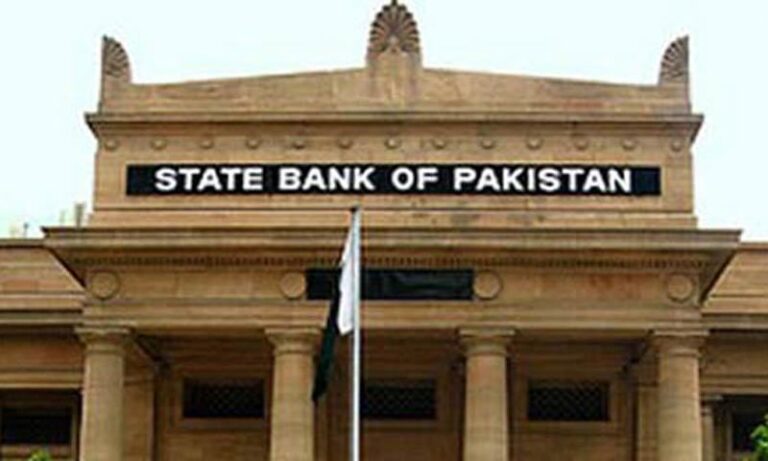
KARACHI, Dec 22 (APP): To foster high-growth sectors in Pakistan, regulators must collaborate to create an enabling environment, develop an efficient bankruptcy system and establish robust contract enforcement mechanisms, a distinguished economist Professor Amir Sufi emphasized while delivering the 25th Zahid Husain Memorial Lecture on Monday.
The State Bank of Pakistan (SBP) hosted the 25th Zahid Husain Memorial Lecture, which honors the transformative legacy of the first Governor of SBP, Zahid Husain. Professor Amir Sufi- the Bruce Lindsay Distinguished Service Professor at the University of Chicago and recipient of the 2017 Fischer Black Prize- delivered the lecture titled, “The role of finance in structural transformation of the economy: An intangible question.”
The lecture convened an audience of diplomats, academics, banking industry leaders, business community and the family of the late Governor to discuss the evolution of the financial system in an era of high-tech growth.
Professor Sufi underscored the need to embrace the change as the economy was rapidly changing and argued that the financial sector must evolve with the real economy and fundamentally adapt as global markets shift toward high-tech services, such as Information Technology and Professional Scientific Services.
These sectors are characterized by high ratios of intangible capital, such as R&D and specialized knowledge, which traditional banking systems are not adequately equipped to finance, he noted, adding that as the banks historically rely on physical collateral and liquidation values, they often struggle to support innovative firms whose value is tied to “going-concern” or continuation value rather than redeployable physical assets.
To bridge this gap, Dr. Sufi emphasized the necessity for financial intermediaries that specialize in intangible capital, specifically through cash flow-based lending and external equity financing like Venture Capital (VC) and Private Equity (PE).
He highlighted that for countries like Pakistan to foster high-growth sectors, regulators must collaborate to create an enabling environment. This includes developing an efficient bankruptcy system designed to preserve business value and establishing robust contract enforcement mechanisms for complex equity arrangements.
He also highlighted the growth potential of IT services and expanding exports of the sector and stressed on further measures for promotion of IT services and prioritizing export oriented sectors. A good accounting system is essential to support intangible capital growth, he added.
Deputy Governor SBP, Saleemullah, in his opening remarks, acknowledged the country’s current macroeconomic stability but stressed the need for deep-rooted reforms to achieve sustainable growth and break the “boom-bust” cycles witnessed quite frequently in the recent past.
He stressed that deploying adequate capital toward the “real economy” is essential for achieving sustainable and inclusive growth. He characterized the expansion of financial access to SMEs, youth, and women as a critical imperative for achieving inclusive growth, urging banks to diversify from their traditional collateral dependencies and move towards cash flow based lending based on deeper understanding and appreciation of the business risks.
The Deputy Governor also underscored the SBP’s proactive role in this transition through key initiatives such as risk coverage facility for SME and Agri Finance, the Banking on Equality policy, and the Regulatory Sandbox for fintech. These efforts, supported by digital infrastructure like e-KYC and faster payment systems, aim to create a robust framework for technology-driven growth.
The session concluded with an interactive fireside chat where Dr. Sufi further elaborated on policy priorities for Pakistan and addressed questions from the diverse group of stakeholders in attendance.