ISLAMABAD, Jan 6 (APP):Federal Minister for Planning, Development and Special Initiatives Professor Ahsan Iqbal chaired a meeting of the National Price Monitoring Committee (NPMC) to review inflation trends, availability of essential commodities and measures to ensure price stability and strengthen food security, particularly ahead of Ramazan, the holy fasting month. The meeting was attended by Chief Economist Dr Imtiaz Ahmad, Chief Statistician of the Pakistan Bureau of Statistics (PBS), and …
Wheat sowing targets met; perishable food, sugar prices decline: NPMC informed
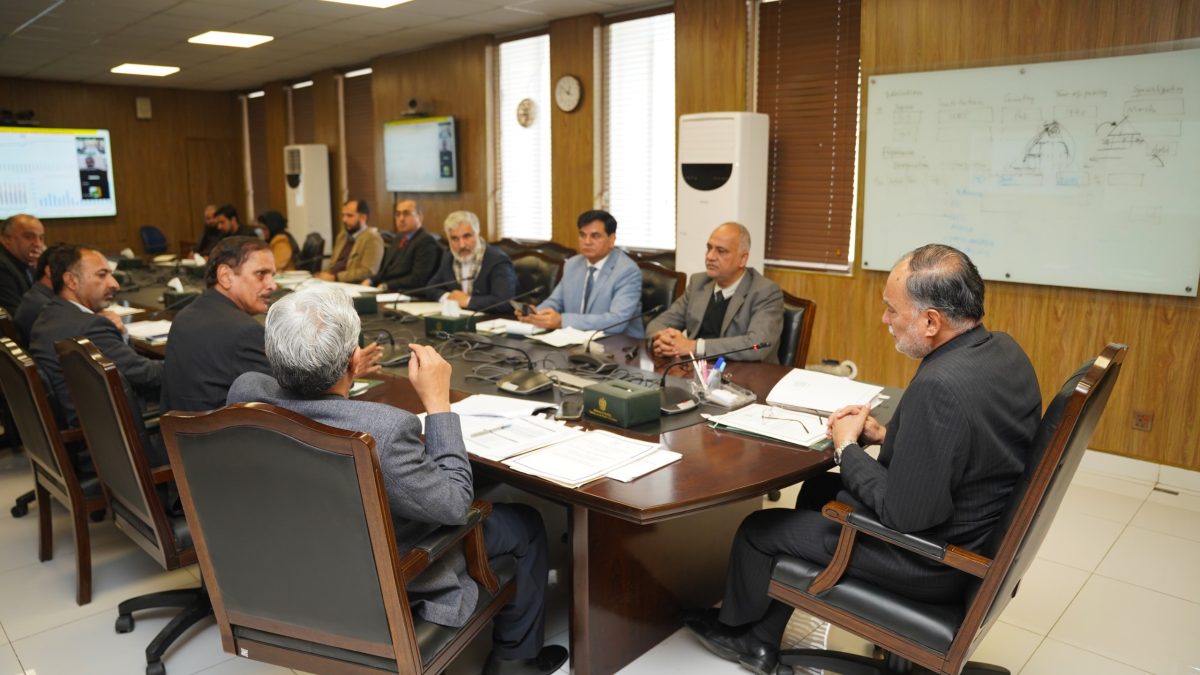
ISLAMABAD, Jan 6 (APP):Federal Minister for Planning, Development and Special Initiatives Professor Ahsan Iqbal chaired a meeting of the National Price Monitoring Committee (NPMC) to review inflation trends, availability of essential commodities and measures to ensure price stability and strengthen food security, particularly ahead of Ramazan, the holy fasting month.
The meeting was attended by Chief Economist Dr Imtiaz Ahmad, Chief Statistician of the Pakistan Bureau of Statistics (PBS), and representatives from the Ministry of National Food Security and Research, the ICT administration, provincial governments and the State Bank of Pakistan, a news release said.
The PBS presented a detailed overview of inflation trends, noting that headline inflation increased from 4.1 per cent in December 2024 to 5.6pc in December 2025.
Major contributors to year-on-year inflation were higher gas charges, rising gold prices, and increases in the prices of wheat, milk and chicken. In contrast, prices of several key commodities, including potatoes, tomatoes, onions, tea, pulses, electricity and stationery, showed a declining trend.
PBS also presented data from the Decision Support System on Inflation (DSSI), indicating improvements in the price stability of essential food items.
Comparative analysis of 2024 and 2025 showed that prices of kitchen staples such as onions and potatoes remained lower in the current cycle. Wheat flour (20kg bag) prices increased from around Rs1,800 to Rs2,146 in the last one year.
While some items such as pulse moong showed minor fluctuations, overall trends pointed towards easing pressure on sensitive price indicators ahead of Ramadan.
The meeting was informed that wheat sowing targets have been achieved and the full seasonal target is expected by February, strengthening domestic food security.
Prices of sugar and chicken, which had risen earlier in the year, have declined significantly, with sugar prices falling from over Rs180 per kilogram to around Rs150.
To address structural factors affecting price stability, Ahsan Iqbal directed the Ministry of National Food Security and Research to prepare a detailed study on cold chain infrastructure. “Cold chains are essential for absorbing market shocks, reducing post-harvest losses and balancing demand and supply,” he said, adding that the ministry should work with the Pakistan Institute of Development Economics to examine global best practices and appropriate incentives.
The minister also directed the preparation of policy working papers on the poultry, dairy and juice sectors to promote value addition and exports, noting that egg exports have increased and should be supported through better processing, quality assurance and market access.
He expressed concern over food quality, particularly the use of hard oil in ghee production. “There is an increase in cardiac health incidents, and food quality standards must be strictly enforced,” he said, directing the Ministry of National Food Security and Research to write to provincial food control authorities to ensure enforcement of regulated melting temperatures and prevent the use of any harmful oils.
Ahsan Iqbal also called for an agriculture-related import substitution report and a national agriculture self-sufficiency working paper, in consultation with provinces, to reduce reliance on imports and conserve foreign exchange.
The Ministry of National Food Security and Research reported that national food stocks are stable, with wheat sufficient for the next four months and sugar availability improved due to the crushing season.
Domestic production of rice, chicken and potatoes remains strong. However, the minister directed that supply chains for gram, edible oil, dates and pulses, which rely on imports and see higher demand during Ramadan, be reviewed and streamlined within one week to avoid shortages or manipulation.
The minister also reviewed provincial arrangements for Ramadan, directing provinces to coordinate with PBS on stock monitoring and instructing deputy commissioners to prevent hoarding and profiteering to ensure price stability.
Ahsan Iqbal said sustained coordination among federal and provincial authorities, regulators and financial institutions is essential to protect consumers, strengthen domestic production and maintain macroeconomic stability.
He reaffirmed the government’s commitment to data-driven policy, timely intervention and structural reforms to ensure price stability, food security and public welfare remain central to national planning.