Uzbekistan is accelerating its transition toward a sustainable development model by embedding Environmental, Social, and Governance (ESG) principles into national policy making, positioning the country to strengthen investor confidence, modernize its economy, and improve the quality of life for its citizens.
Uzbekistan embraces ESG-driven growth to build a green, inclusive, transparent economy
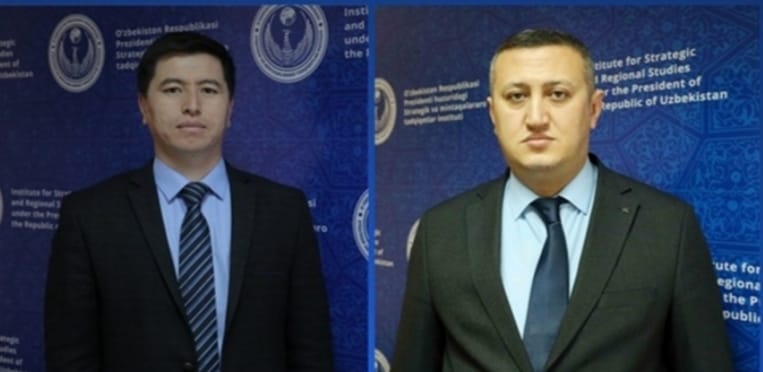
ISLAMABAD, Jul 15 (APP): Uzbekistan is accelerating its transition toward a sustainable development model by embedding Environmental, Social, and Governance (ESG) principles into national policy making, positioning the country to strengthen investor confidence, modernize its economy, and improve the quality of life for its citizens.
According to an article by A. Nizamov, head of department at the Institute for Strategic and Regional Studies under the President of the republic of Uzbekistan, issued here by the embassy of Uzbekistan, the country has adopted ESG not merely as a corporate framework but as a comprehensive governance strategy aligned with its long-term development goals.Uzbekistan embraces ESG-driven growth to build a green, inclusive, transparent economy.
Globally, ESG standards have evolved from voluntary commitments into essential benchmarks for evaluating governance quality, environmental responsibility, and economic resilience.
With global ESG assets surpassing an estimated US$ 30 trillion in 2022 and projected to reach US$ 40 trillion by 2030, sustainable finance has become an integral part of the international financial system. The issuance of sustainable bonds, which reached approximately US$ 1.1 trillion in 2025, further reflects this global shift.
Against this backdrop, Uzbekistan has crafted its own sustainable development model tailored to national priorities, including water and energy security, employment generation, social welfare, transparency in governance, and enhanced investment attractiveness. These priorities are being pursued under the Uzbekistan–2030 Strategy and a broader reform agenda led by President Shavkat Mirziyoyev.
A major milestone in this journey came with Cabinet of Ministers Resolution No. 221, adopted on May 4, 2026, which established formal rules for implementing ESG principles, preparing sustainability reports, and disclosing environmental, social, and governance information. The resolution transforms ESG from a broad policy vision into a structured framework for implementation, monitoring, and accountability.
Environmental sustainability remains a cornerstone of Uzbekistan’s reforms. Facing significant challenges such as water scarcity, climate change, and the legacy of the Aral Sea crisis, the government is investing in renewable energy, water-saving technologies, energy efficiency, emissions reduction, waste recycling, and ecosystem restoration. These initiatives aim not only to protect the environment but also to improve economic competitiveness in a world where carbon footprints increasingly influence trade and investment.
The social dimension of the reforms is equally significant. Efforts to reduce poverty, create employment opportunities, empower women, strengthen local communities through mahallas, and improve public services are central to ensuring that the green transition delivers tangible benefits for citizens. The government emphasizes that sustainable development must remain people-centered, balancing environmental objectives with social equity and economic opportunity.
Governance reforms also play a crucial role in Uzbekistan’s ESG strategy. Measures to improve transparency, combat corruption, introduce digital monitoring, and strengthen corporate governance are helping build greater institutional credibility.
By the end of 2025, 17 state-owned enterprises had secured international credit ratings, while seven obtained publicly available ESG ratings, signaling increased openness and adherence to international standards.
Under the new regulations, state-owned enterprises undergoing transformation are required to implement ESG reporting from July 1, 2026, and publish sustainability reports by November 1, 2026, in accordance with internationally recognized disclosure standards.
As global investors increasingly prioritize sustainability and transparency, Uzbekistan believes its integrated ESG approach will enhance economic competitiveness, attract responsible investment, and promote long-term growth. By linking environmental stewardship, social development, and transparent governance, the country aims to establish sustainability not as an external obligation but as the foundation of its future development strategy.