
KARACHI, Jun 16 (APP):The state bank of Pakistan (SBP) keeps policy rate unchanged at 11 percent in view of inflation expectations, potential increase in imports and to let the impacts of the earlier policy rate cuts unfold. The Monetary Policy Committee (MPC), in its meeting on Monday, noted the expected increase in headline inflation in May to 3.5 percent along with decline in core inflation and moderated inflation expectations of …
SBP keeps policy rate unchanged at 11%
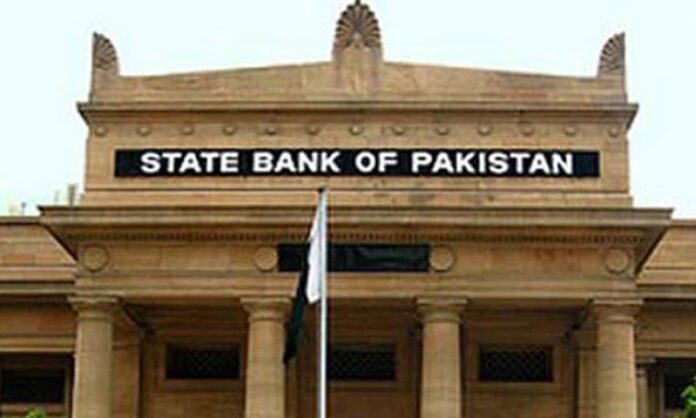
KARACHI, Jun 16 (APP):The state bank of Pakistan (SBP) keeps policy rate unchanged at 11 percent in view of inflation expectations, potential increase in imports and to let the impacts of the earlier policy rate cuts unfold.
The Monetary Policy Committee (MPC), in its meeting on Monday, noted the expected increase in headline inflation in May to 3.5 percent along with decline in core inflation and moderated inflation expectations of both households and businesses amid lower energy prices and assessed that inflation to trend up and stabilize in the target range within 5% to 7% during FY26 while gradual pick up in economic growth is projected to gain further traction next year.
The MPC, as per the monetary policy statement issued by the central bank, evaluated potential external sector risks like widening trade deficit, weak financial inflows and impacts of phasing out of the favorable base effect from food prices and termed the decision of holding the rate as appropriate to sustain the macroeconomic and price stability.
The MPC’s initial assessment indicates that the recent budgetary measures will have a limited impact on the inflation outlook, though some near-term volatility in inflation is expected. However the committee remained cautious of multiple risks emanating from potential supply-chain disruptions from regional geopolitical conflicts, volatility in oil and other commodity prices, and the timing and magnitude of domestic energy price adjustments.
The Committee noted the key developments since its last meeting like achievement and fixing of the real GDP growth and primary balance targets for FY25 and FY 26, positive current account situation, the completion of the first EFF review and disbursement of around $1 billion and subsequent increase in the SBP’s FX reserves to $11.7 billion as well as sharp rebound in global oil prices in evolving geopolitical situation in the Middle East and some ease in US-China trade tensions.
The real interest rate remained adequately positive to stabilize inflation within the target range of 5 to 7%, the MPC assessed and emphasized on the timely realization of planned foreign inflows, achievement of the targeted fiscal consolidation and the implementation of structural reforms to maintain macroeconomic stability and achieve sustainable economic growth.
Quoting the provisional PBS estimates reflecting momentum in the economy during the second half of FY25, with real GDP growth accelerating to 3.9% from 1.4% in H1-FY25, the committee termed the outturn as broadly in line with the MPC’s earlier expectations, though with compositional differences.
The MPC noted that despite declined major crop production and slower growth in the agriculture sector, the industry and services sectors contributed to the uptick in real GDP growth, particularly in H2-FY25. The industry and services sectors continue to drive economic growth in FY26 and the real GDP growth to increase further, the MPC assessed referring to the sustained momentum in high-frequency indicators- including credit to private sector, imports of machinery and intermediate goods, and business sentiments- and easing financial conditions.
In the External Sector, the Committee found the current account almost balanced in April 2025, with a 9-month cumulative surplus to $1.9 billion, imports continued to grow in line with improving economic activity but export growth decelerated in the challenging global trade environment.
The Committee, on the basis of strong workers’ remittances more than offsetting the impact of the widening trade deficit, expected that the current account to remain in surplus in FY25. However “the uncertain global trade environment, coupled with expected continued strong import demand, is projected to turn the current account into a moderate deficit in FY26,” the MPC viewed.
Despite net financial inflows remaining weak so far, the SBP’s FX reserves will increase to around $14 billion by end-June 2025, the Committee expressed hope and pointed out multiple risks to external outlook.
The revised budget estimates indicated that both the overall fiscal and primary balances improved further during FY25 on the back of an increase in revenues and relatively contained expenditures, especially PSDP, the MPC observed and added that amidst a shortfall in budgeted external financing, the government’s reliance on domestic financing sources rose significantly.
For FY26, the government is targeting further fiscal consolidation and has set the primary surplus target at 2.4 percent of GDP. The MPC emphasized on achieving the envisaged fiscal consolidation by pursuing effective and timely implementation of reforms, especially broadening the tax base and privatizing or reforming PSEs.
The committee also reviewed that broad money (M2) growth as of May 30 moderated to 12.6% due to a deceleration in NDA of the banking system while private sector credit growth remained strong at around 11% in the wake of easing financial conditions and improving business sentiments. Textiles, telecommunications and wholesale and retail sectors were the major borrowers, whereas consumer finance also grew at a robust pace.
At the same time, the Committee noted a significant uptick in reserve money growth. This is mainly explained by the Eid-related seasonal rise in currency in circulation, which required SBP to increase its liquidity injections to ensure that the interbank overnight repo rate remained close to the policy rate.