
KARACHI, Nov 03 (APP): The State Bank of Pakistan (SBP), in its Annual Review of Payment Systems issued here on Monday, stated that retail payments volume grew 38% during fiscal year 2024-25 backed by steady momentum of digital channels capturing 88% share in all retail transaction. The instant payment platform Raast contributed with more than a twofold increase while PRISM+, the upgraded RTGS system mainly used to settle large value …
Retail payments grow 38%, digital channels capture 88% share: SBP Review FY25
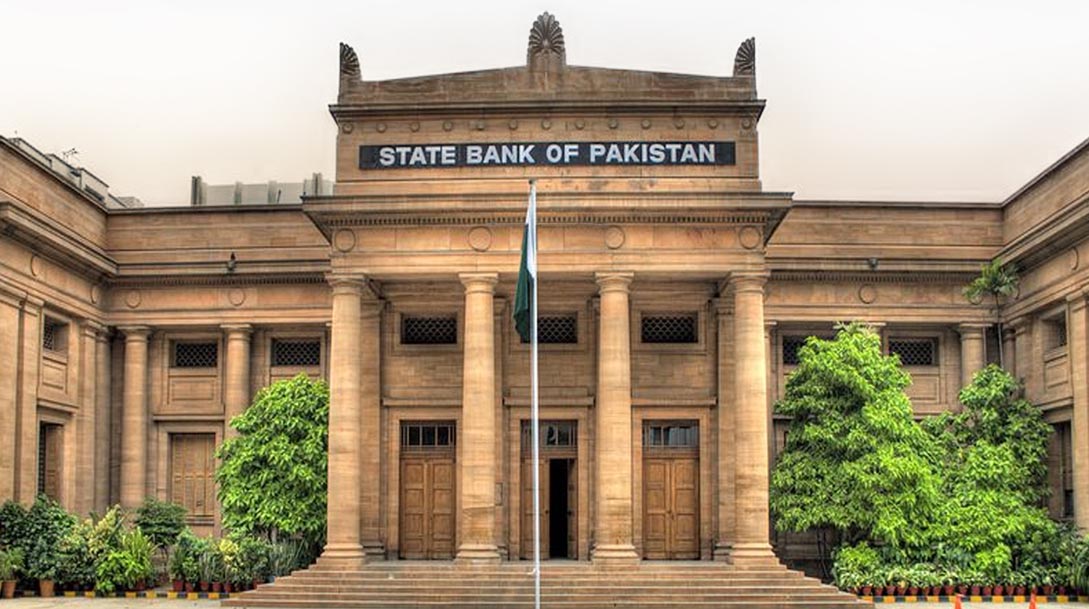
KARACHI, Nov 03 (APP): The State Bank of Pakistan (SBP), in its Annual Review of Payment Systems issued here on Monday, stated that retail payments volume grew 38% during fiscal year 2024-25 backed by steady momentum of digital channels capturing 88% share in all retail transaction.
The instant payment platform Raast contributed with more than a twofold increase while PRISM+, the upgraded RTGS system mainly used to settle large value payments, registered double-digit gains in transaction value during the period, the central bank highlighted in a statement issued here.
Regulatory initiatives, the expansion of digital infrastructure, and strong consumer adoption of mobile and internet-based platforms catalyzed the swift expansion of Pakistan’s payments landscape over the past fiscal year 2024-25, the review outlined.
According to the annual review, the retail payments registered robust growth, reaching 9.1 billion transactions worth Rs 612 trillion, and witnessing an increase of 38% in terms of volume and 12% in value on a yearly basis.
The review observed continued steady momentum of digital channels in FY25 as Pakistani’s increasingly embraced mobile apps, internet banking, and e-money wallets and payments through digital channels accounted for 88% of all retail transactions, growing from 78% in FY23 and 85% in FY24.
Mobile banking apps led with over 6.2 billion transactions, witnessing growth of 52% while internet banking portals processed 297 million transactions, up 33% from the previous year. E-money wallet apps, though having limited share in the overall number of mobile banking apps, exhibited the fastest growth trajectory, with both transaction volume and value doubling during the year, it added.
“Raast, Pakistan’s instant payment platform, recorded more than a twofold increase in both transaction count and value, establishing itself as a cornerstone of the digital ecosystem,” the Review remarked and added that the Raast Person-to-Merchant (P2M) services are assisting to advance digital inclusivity, reducing reliance on costly infrastructure, enabling faster settlements, and fostering a transparent digital trail that enhances access to formal financial services.
The point-of-sale network expanded to 195,849 terminals across 159,284 merchant locations, enabling nearly one million daily card payments, compared to 0.7 million in last fiscal year. At the same time, e-commerce payments continue to show inclination towards account and wallet-based channels, which represented 93% of online transactions, the Review informed, adding that the ATM network also grew by more than 7% to 20,341 machines, with each handling an average of 140 transactions on a daily basis.
SBP concluded with reaffirmation of its commitment to foster secure, efficient, and inclusive payment systems, ensuring that the country’s financial infrastructure continues to evolve in line with global innovations, while maintaining public trust and resilience.