ISLAMABAD, Oct 22 (APP):The World Bank Group on Thursday released its latest report, titled Pakistan Development Update: October 2026 — Attaining Escape Velocity, saying the country could triple its incomes by 2050 through accelerated structural reforms to boost private investment and sustain economic growth. The report said that following progress in macroeconomic stabilization, Pakistan has an opportunity to achieve faster and sustained economic growth and create more jobs. Sound macroeconomic …
Pakistan’s incomes could triple by 2050 with faster structural reforms: World Bank

ISLAMABAD, Oct 22 (APP):The World Bank Group on Thursday released its latest report, titled Pakistan Development Update: October 2026 — Attaining Escape Velocity, saying the country could triple its incomes by 2050 through accelerated structural reforms to boost private investment and sustain economic growth.
The report said that following progress in macroeconomic stabilization, Pakistan has an opportunity to achieve faster and sustained economic growth and create more jobs.
Sound macroeconomic policies in recent years have helped stabilize the economy and preserve growth despite the impact of the Middle East conflict, it said, adding that the real gross domestic product (GDP) growth increased to 3.7 percent in fiscal year 2026 (FY26), up from 3.2 percent in FY25.
Revenue growth and expenditure restraint supported record primary fiscal surpluses, which reached 2.9 percent of GDP in FY26. Meanwhile, strong remittances enabled the country to rebuild its foreign exchange reserves, the study said.
It said the improvements were recognized through credit rating upgrades by two major international rating agencies, S&P and Moody’s, and enabled Pakistan to return to international debt markets with the issuance of a $3 billion Eurobond.
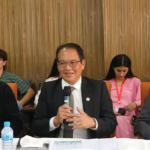
“Pakistan has made real progress in restoring stability, and markets have taken notice,” World Bank country director for Pakistan Bolormaa Amgaabazar said while launching the report.
“But real per capita growth, the rate at which the income of the average Pakistani increases, remains stuck at around 1.6 percent. Reforms to drive faster growth are now urgently needed,” she added.
The report found that stronger growth was achievable if Pakistan follows the path of other successful countries by pursuing ambitious economic reforms.
“Upgrading policies and institutions to levels comparable with those of the average middle-income country could support sustained annual growth of 6.2 to 6.9 percent. Such growth could enable Pakistan to reach Vietnam’s current income level by 2050,” it added.
“With macro stabilization achieved but fiscal resources and foreign exchange still tightly constrained, structural reform to encourage private investment is the necessary next step towards higher living standards,” said Sebastian Essl, lead author of the report.
“Achieving this kind of private-sector-led growth requires a plan, coordination, and committed reform implementation,” he added.
The report outlined an ambitious package of reforms that could help Pakistan attain by 2050 the per capita income levels of countries currently classified at the upper-middle-income threshold.
It said several proposed measures build on reforms were already under way, adding “These include timely power-sector tariff adjustments, which helped reduce energy subsidies from 1.1 percent of GDP in FY25 to 0.8 percent in FY26, continued trade liberalization under the National Tariff Policy and the recent privatization of Pakistan International Airlines.”
The report said sustained progress would depend on further reforms to improve the business environment, overhaul the tax system, reduce the state’s role in the economy and expand access to finance.