Minister of State for Finance Bilal Azhar Kayani Thursday said that Pakistan is stepping up efforts to broaden its tax base, reduce the burden on compliant taxpayers and improve the efficiency of tax collection through digitalization and greater engagement with the private sector.
Pakistan steps up tax reforms to broaden base, improve taxpayer compliance: Bilal
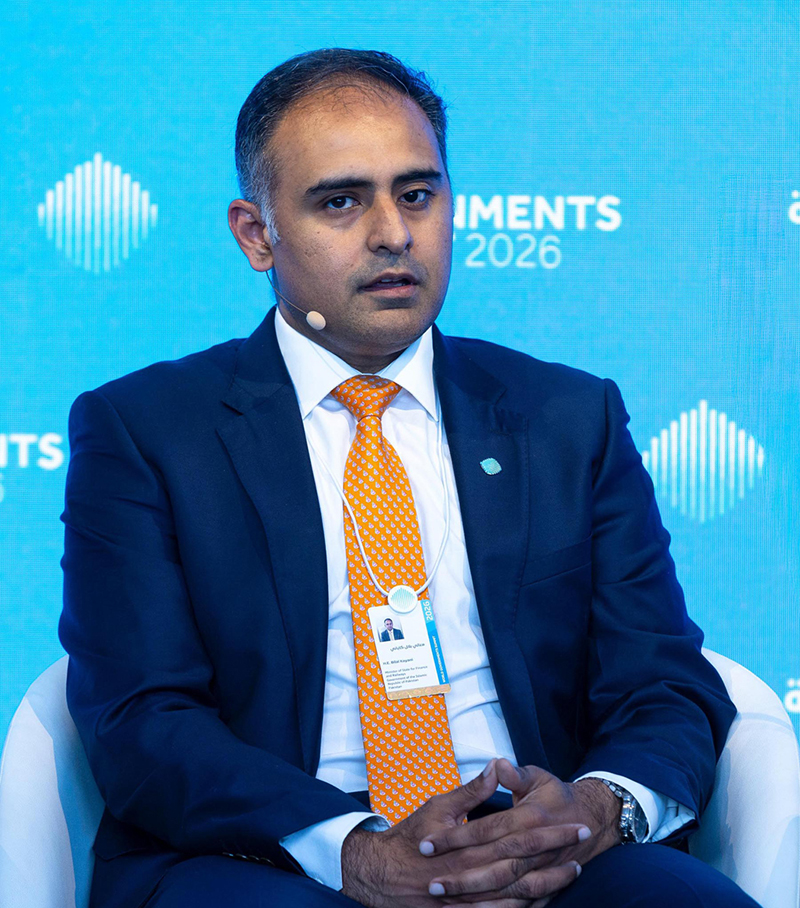
ISLAMABAD, Sep 3 (APP):Minister of State for Finance Bilal Azhar Kayani Thursday said that Pakistan is stepping up efforts to broaden its tax base, reduce the burden on compliant taxpayers and improve the efficiency of tax collection through digitalization and greater engagement with the private sector.
Addressing the “High-Level Dialogues on Taxation for Fiscal Sustainability”, organized by the Asian Development Bank (ADB) in collaboration with the Government of Pakistan, he said that the Prime Minister had given an unprecedented level of attention to reforms at the Federal Board of Revenue, or FBR, holding weekly reviews and examining both strategic and operational aspects of the tax authority’s transformation.
He cited a range of ongoing initiatives, including faceless customs, digital invoicing, track-and-trace systems and a new tax operating model aimed at reducing human intervention in tax assessments and audits.
The level of detail that the Prime Minister goes into in order to reform the FBR was aimed at ensuring that the tax authority improves both as a revenue collector and in its dealings with taxpayers, he said adding that a key recent initiative was the government’s retailers’ tax scheme, which is intended to bring a larger number of retailers into the formal tax system and broaden the country’s narrow tax base.
Kayani said the government developed the scheme after extensive consultations with retailers and their representative organizations, including discussions about why previous attempts to tax the sector had failed.
He said retailers had raised concerns about informal payments and sought greater protection from such practices in return for participating in the formal tax system. The government subsequently worked with traders to finalize the scheme’s tax rates, penalties, procedures and documentation, including a simplified one-page form in Urdu, he added.
The minister said the consultation process had helped secure support from major trader organizations even before the government formally announced the scheme. He also stressed the importance of sustained dialogue between government agencies and the private sector, saying poor communication had sometimes contributed to the failure of economic reforms.
The minister said the government had also taken steps to reduce the tax burden on exporters, small and medium-sized businesses and salaried workers. He said the super tax rate for businesses earning between Rs150 million and Rs500 million annually, as well as those earning more than Rs500 million rupees, had been reduced by 2 percentage points, from 10% to 8%.
For exporters, the combined rate of advance income tax and minimum tax deducted at source had been reduced from 2% to 1.25%, he said adding that the government has also retained the final tax regime for information technology exporters while reducing the tax burden on salaried taxpayers, which was a major priority for the Prime Minister.
He said salaried workers had been carrying a disproportionate share of the country’s tax burden because their income was easier for the tax authorities to document and collect.
On broader FBR reforms, Kayani said the new tax operating model would centralize and anonymize, as far as possible, the assessment and audit functions.He said a system-driven and rules-based process would reduce the role of individual tax officials and make tax assessments fairer and more predictable.
“A CRM-driven audit and assessment function, which is anonymised to the extent possible, which is taken away from the field offices and is centralized, will result in fairer treatment of the taxpayer,” he said.
Bilal also highlighted the establishment of exporter facilitation committees in major export centers, including Karachi, Lahore, Sialkot and Faisalabad. The committees include FBR officials and exporters and are intended to create a regular mechanism for identifying and resolving problems.
He said many difficulties faced by taxpayers and exporters were related to procedures and administrative mechanisms rather than tax rates. Half the friction in the system, including in FBR, is mostly related to processes and mechanisms as opposed to tax rates themselves, he added.
The government is receiving support from development partners, including the Asian Development Bank, for its broader FBR transformation program, he said, adding that the ultimate objective of the reforms was not simply to collect more taxes but to create a system that was more transparent, equitable and easier for taxpayers to navigate.
Speaking on the occasion, ADB Vice President (South, Central and West Asia) Yingming Yang said that tax and domestic resource mobilization are key to sustainable development, adding that robust revenue systems empower governments to invest in people, infrastructure and resilience, reducing dependency on debt.
Tackling challenges such as a narrow tax base, widespread informality and low compliance was vital for Pakistan, adding that tax reforms were essential for achieving fiscal sustainability, he said adding that the tax reform agenda was gaining momentum in Pakistan and would help enhance revenue collection, strengthen documentation of the economy and improve data collection for better policy making and planning.
Strong revenue collection enables the government to invest in its people and provide better public services, including health, education and communications, he said, adding that reforms in the revenue collection system would also help address the country’s fiscal challenges.
The Vice President said the ADB was committed to providing financial and technical assistance, as well as sharing knowledge with Pakistan to help transform its revenue collection system through the modernization of tax administration.
He said the event would also provide an opportunity to discuss policy mechanisms and share international best practices for broadening the tax base and improving revenue mobilization.