Pakistan and the Philippines are set to initiate preliminary discussions next month on a proposed Preferential Trade Agreement (PTA), opening a new avenue for expanding bilateral trade, investment and economic cooperation, Pakistan’s Ambassador to the Philippines Dr. Asma Rabbani said on Wednesday.
Pakistan, Philippines set to initiate trade talks next month: Ambassador Rabbani
By : Shams Abbasi
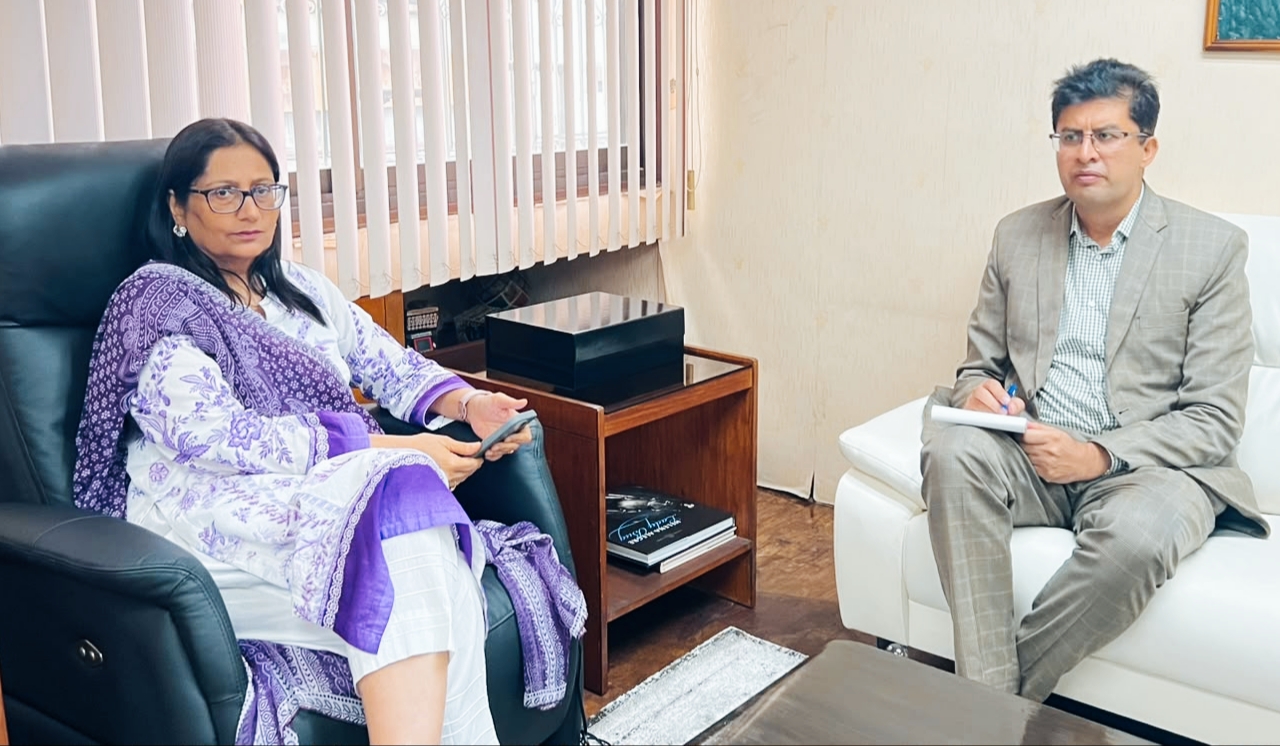
MANILA, Oct 07 (APP):Pakistan and the Philippines are set to initiate preliminary discussions next month on a proposed Preferential Trade Agreement (PTA), opening a new avenue for expanding bilateral trade, investment and economic cooperation, Pakistan’s Ambassador to the Philippines Dr. Asma Rabbani said on Wednesday.
Talking to APP in exclusive interview at the Pakistan Embassy in Manila, the ambassador said the proposed PTA could help diversify the bilateral trade basket, rationalize tariffs and unlock the considerable untapped potential of economic relations between the two countries.
Pakistan’s envoy said Pakistan and the Philippines had vast opportunities to expand economic ties by diversifying trade and integrating businesses from both sides into global and bilateral supply chains.
Dr. Asma said the two countries had already agreed to conduct feasibility studies and establish a technical working group to explore the possibility of a PTA, aimed at trade liberalization and enhancing bilateral commerce, with a target of increasing annual trade to $500 million.
She said the 2nd meeting of the Pakistan-Philippines Joint Economic Commission (JEC), held in Manila in February 2026, marked the resumption of the bilateral economic dialogue after an eight-year hiatus.
The ambassador said the JEC discussions focused on expanding cooperation in the rice sector, including a proposed government-to-government memorandum of understanding for multi-year rice procurement, as well as cooperation in the halal sector.
She said rice exports from Pakistan to the Philippines had increased significantly, registering around 700 percent growth during the past year, and Pakistan was seeking greater access and a larger import quota in the Philippine market.
“We are trying to get the quota for rice in the Philippine market to create more export space for Pakistan in the ASEAN region,” she said.
Dr. Asma said annual bilateral trade had now reached around $200 million, but remained well below the two countries’ actual potential.
She identified pharmaceuticals, surgical instruments, agriculture and food products, textiles, banking and financial services, information technology, digital economy and tourism as key areas offering significant opportunities for enhanced cooperation.
The ambassador said Pakistan’s surgical instruments, particularly products manufactured in Sialkot, were also making increasing inroads into the Philippine market, reflecting the growing competitiveness of Pakistani businesses.
She emphasized that greater cooperation between the private sectors of both countries could help identify new business opportunities and establish stronger commercial linkages.
“Banking, digital economy and information technology have some of the biggest potential areas where Pakistani and Philippine businesses can connect and expand cooperation,” she said.
Dr. Asma also highlighted opportunities in agriculture, food processing and value addition, saying that exchange of technology, expertise and best practices could improve productivity while creating new avenues for bilateral trade.
She said Pakistan possessed considerable export potential in pharmaceuticals, surgical instruments, textiles, agricultural and food products, while the Philippines, with its large and dynamic market, could provide Pakistani businesses greater access to Southeast Asian markets.
The ambassador said cooperation in IT and digital services could help businesses from both countries connect with emerging global supply chains and expand their access to international markets.
She also underlined the importance of tourism and people-to-people contacts in strengthening bilateral relations.
Dr. Asma stressed the need to facilitate visa procedures to promote business, tourism and people-to-people exchanges, particularly as an increasing number of Pakistani business delegations were visiting the Philippines.
She said Pakistan had already taken steps to facilitate Philippine visitors by introducing visa-free, cost-free entry arrangements for Philippine citizens, and expressed the hope that the Philippines would also facilitate Pakistani travellers.
“Visa facilitation is necessary to enhance tourism and people-to-people contacts between the two countries. We are growing on the economic side, and increased movement of business delegations will help further strengthen these ties,” she said.
The ambassador said Pakistan offered considerable tourism potential for Philippine visitors, including its northern areas, scenic landscapes and shopping opportunities, adding that smoother visa procedures could help attract more tourists from both countries.
Dr. Asma said enhanced economic engagement with the Philippines could also provide Pakistan with an important gateway to the wider Association of Southeast Asian Nations (ASEAN) market.
She expressed the hope that increased trade, investment, private-sector partnerships and stronger business-to-business linkages would usher in a new phase of Pakistan-Philippines economic relations.
The proposed PTA, she added, could serve as an important foundation for transforming the existing relationship from limited bilateral trade into a broader and more diversified economic partnership, benefiting businesses and consumers in both countries.