
SAARC Chamber of Commerce and Industry former president Iftikhar Ali Malik has said that rising fuel prices were posing serious challenges to industrial growth and exports, while small businesses were already struggling with high operational costs.
Malik for timely corrective steps to control fuel prices
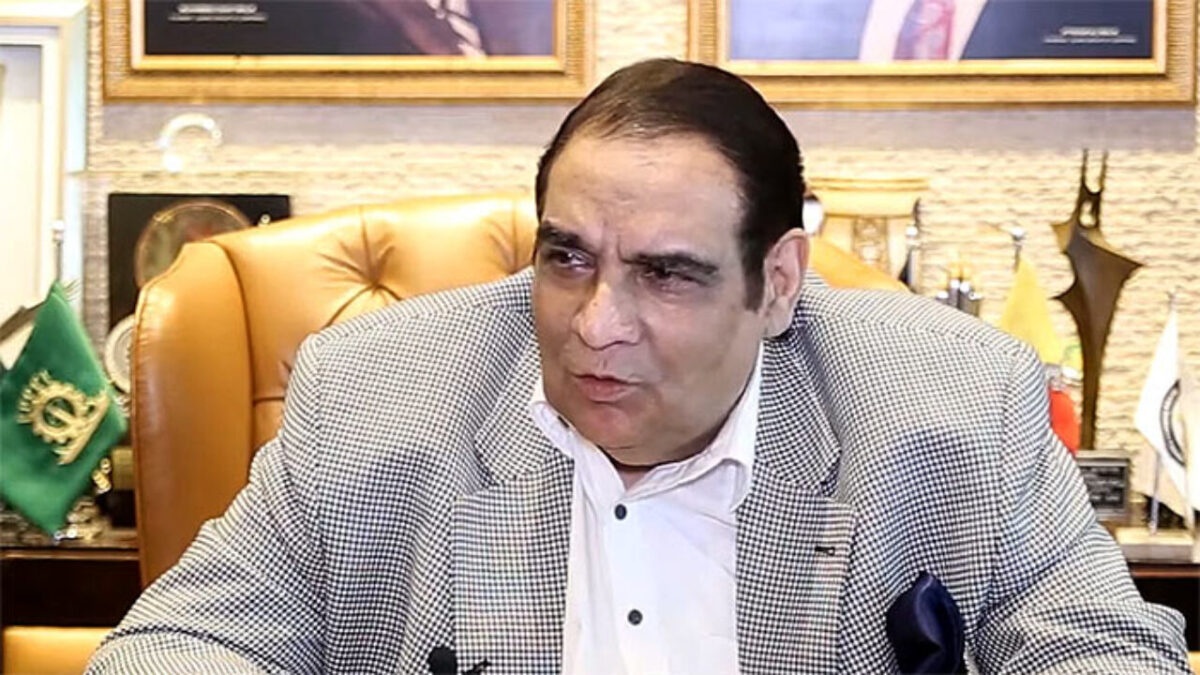
LAHORE, May 17 (APP): SAARC Chamber of Commerce and Industry former president Iftikhar Ali Malik has said that rising fuel prices were posing serious challenges to industrial growth and exports, while small businesses were already struggling with high operational costs.
In a statement issued on Sunday, he warned that if timely corrective measures were not taken, the rising economic burden could widen the trade deficit and slow down recovery efforts.
He said the ongoing global fuel price shock, which has triggered economic turbulence across several Asian economies, could affect Pakistan more severely due to its heavy reliance on imported energy resources.
Malik said Pakistan’s oil import bill has nearly tripled, adding that there has been a monthly increase of around $1.45 billion in the overall import bill.
He stressed the need for an urgent national strategy aimed at reducing dependence on imported fuel through promotion of renewable energy projects, including solar and wind power as well as improved energy efficiency in industrial and domestic sectors.
He also called for accelerating exploration of indigenous oil, gas and coal reserves to strengthen the country’s energy security.
The former SAARC Chamber president urged policymakers to extend maximum relief to industry, exporters and low-income groups to mitigate the impact of rising energy costs.
He said regional economic cooperation among South Asian countries could help stabilize markets and support sustainable economic growth.
Malik added that Pakistan’s economy remains highly vulnerable to fluctuations in international oil and gas prices due to its heavy reliance on imports, noting that higher fuel prices directly push up transportation costs, electricity tariffs and industrial production expenses, ultimately fueling inflation and eroding purchasing power.

