
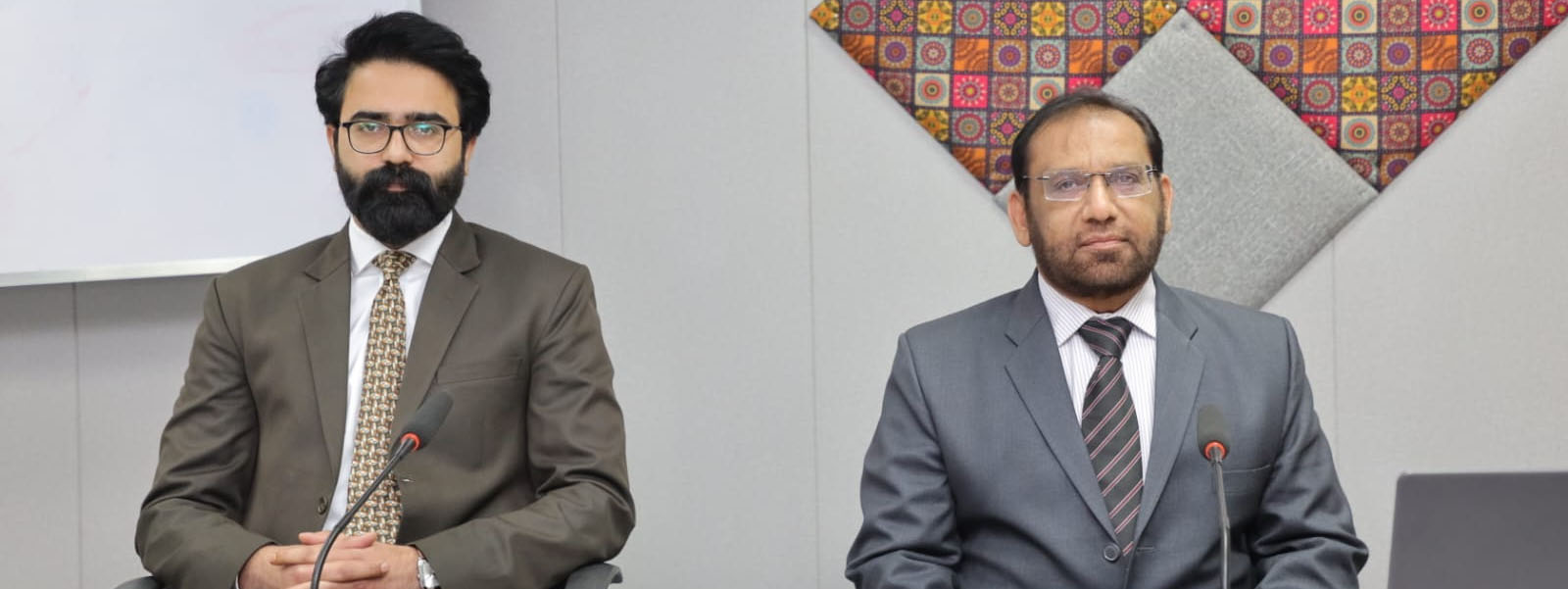
ISLAMABAD, Jan 7 (APP):Experts at a seminar here on Wednesday stressed that sustainable urban planning, inclusive finance, corporate engagement, and stronger institutional coordination were critical to tackling Pakistan’s housing shortage and ensuring equitable access to decent housing for all.
The policy seminar titled, “National Housing Policy: A Framework for Affordable, Inclusive, and Sustainable Shelter for All” was organized by the Pakistan Institute of Development Economics (PIDE) to deliberate on Pakistan’s housing crisis and the policy responses required to address it.
Speaking on the occasion, Coordinator of the National Housing Policy Working Group and Chief Planner at the Federal Government Employees Housing Authority (FGEHA), Dr. Malik Asghar Naeem highlighted housing as a basic human right and national responsibility, warning that rapid population growth and urbanization have created a housing shortage of 9–10 million units in Pakistan, forcing nearly half of the urban population into slums, with low- and middle-income groups most affected due to limited affordability, weak financing, regulatory gaps, and climate risks.
Dr. Naeem, informed participants that the initiative to update the National Housing Policy was launched on the directive of the Prime Minister to revise the outdated 2001 policy in response to evolving housing challenges.
He explained that the National Housing Policy 2025 is currently in its final draft stage and is expected to be presented to the federal cabinet soon.
He highlighted that the policy has been developed through a multi-stakeholder, evidence-based process, involving wide-ranging consultations with academia, urban development authorities, civil society, and international partners such as UN-Habitat, the World Bank, and JICA, ensuring alignment with global best practices.
He also addressed governance concerns following the 18th Amendment, clarifying that while housing remains a provincial subject, the national policy provides an overarching framework to strengthen coordination across federal, provincial, and local governments, while preserving provincial autonomy to adapt policies to local needs.
Naeem outlined nine thematic pillars of the policy, covering land for housing, development of intermediate and secondary cities, housing finance, construction services, slum rehabilitation, low-cost housing, green housing, institutional and legal frameworks, and capacity building. He emphasized land banking, land pooling, and compact and transit-oriented development as key tools to curb urban sprawl and protect agricultural land.
Housing finance was highlighted as a major constraint, with Pakistan’s mortgage-to-GDP ratio standing at just 0.3 percent, compared to over 30–40 percent in countries such as Germany and Malaysia. The discussion underscored the need to expand affordable housing finance, improve rental housing, and ensure quality accommodation for students and government employees.
The discussion underscored the need to expand affordable housing finance, improve rental housing, and ensure quality accommodation for students and government employees.