
ISLAMABAD, Dec 29 (APP): The Competition Commission of Pakistan (CCP) significantly stepped up its market research in 2025 by releasing competition assessment studies across critical sectors, including insurance, power, gold, pesticides, steel, LNG, road infrastructure, sugar and fertilizer. To strengthen evidence-based policy-making, the CCP has recently established a Centre of Excellence in Competition Law (CECL) to conduct in-depth research across key sectors and support legal and regulatory reforms, said a …
CCP conducts competition assessment in key sectors in 2025
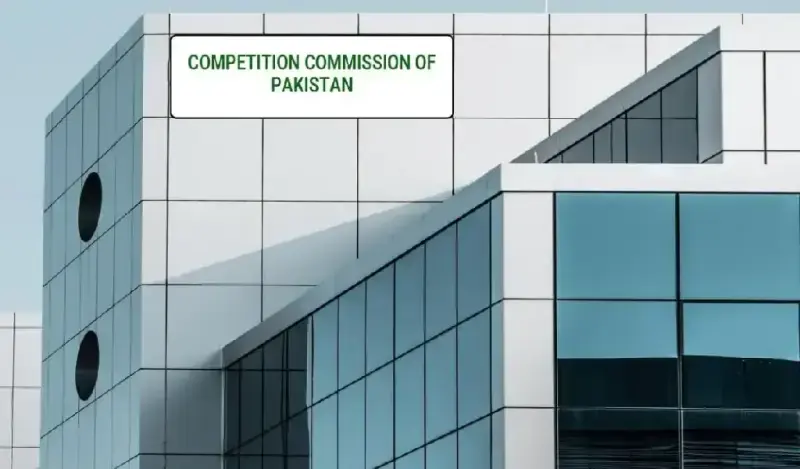
ISLAMABAD, Dec 29 (APP): The Competition Commission of Pakistan (CCP) significantly stepped up its market research in 2025 by releasing competition assessment studies across critical sectors, including insurance, power, gold, pesticides, steel, LNG, road infrastructure, sugar and fertilizer.
To strengthen evidence-based policy-making, the CCP has recently established a Centre of Excellence in Competition Law (CECL) to conduct in-depth research across key sectors and support legal and regulatory reforms, said a release issued here on Monday.
The CECL is currently undertaking studies on the automobile industry, civil aviation market, solar energy market, cement sector, and the impact of mergers in the telecom sector, which are nearing completion.
A comprehensive CCP report on the State of Competition in Pakistan’s Insurance Industry highlighted key issues, including low insurance penetration, limited outreach, a fragmented legal and regulatory framework and barriers to entry. The report noted that Pakistan’s insurance penetration stood at 0.87 percent, compared to a global average of 6.7 percent, and emphasized the need for reforms to promote competition and consumer welfare.
The Commission’s maiden Competition Assessment Study of the Gold Market in Pakistan provided the first evidence-based analysis of a sector dominated by informality and pricing opacity.
The study highlighted that over 90 percent of gold trading occurs outside formal channels and underscored the potential impact of the Reko Diq copper-gold project on domestic supply chains.
The CCP recommended setting up Gemstone and Gold Regulatory Authority to streamline the gold market.
In addition, the CCP issued studies on the pesticide, steel, and LNG sectors, identifying structural, regulatory, and enforcement gaps affecting market efficiency.
The pesticide report highlighted Pakistan’s heavy reliance on imported agricultural chemicals, the prevalence of counterfeit and substandard products, regulatory bottlenecks, and weak enforcement impacting farmers and crop yields.
The LNG study identified monopolistic dominance of state-owned enterprises, restricted private sector participation, infrastructure access constraints, and the impact of circular debt exceeding PKR 2.8 trillion on market competition.
The steel sector report outlined competition challenges and policy reforms needed to improve efficiency and market outcomes.
The Commission also issued a Competition Assessment Study of the Fertilizer Industry, identifying barriers to competition across production, distribution, and retail segments in a sector critical to agricultural productivity.
To enhance inter-agency cooperation, the CCP inked several MoUs in 2025 to improve coordination, data sharing, and enforcement.
The Commission signed an MoU with the Federal Antimonopoly Service of the Russian Federation to strengthen cooperation in cartel enforcement, merger control, and competition policy research.
At the national level, CCP entered into MoUs with the Drug Regulatory Authority of Pakistan (DRAP) and the Punjab Food Authority (PFA) to curb deceptive marketing, strengthen monitoring of product claims, and enhance consumer protection.
The Commission also signed an addendum to its MoU with the Public Procurement Regulatory Authority (PPRA) to strengthen detection of collusive practices and bid rigging through the e-PADS public procurement platform.
Through evidence-based market studies and strengthened institutional collaboration, the CCP aims to bring reforms in the legal and regulatory frameworks across key sectors of the economy.
Economic policy research suggests that a strong and effective legal framework is directly linked to sustainable economic growth and national development.