Governor Balochistan Jaffar Khan Mandokhail on Tuesday voiced concern over the growing brain drain from the province, stating that more than 100 scholars have left Balochistan due to a ban on the regular appointment of professors and PhD scholars.
Governor Balochistan calls for strategy to curb brain drain in universities
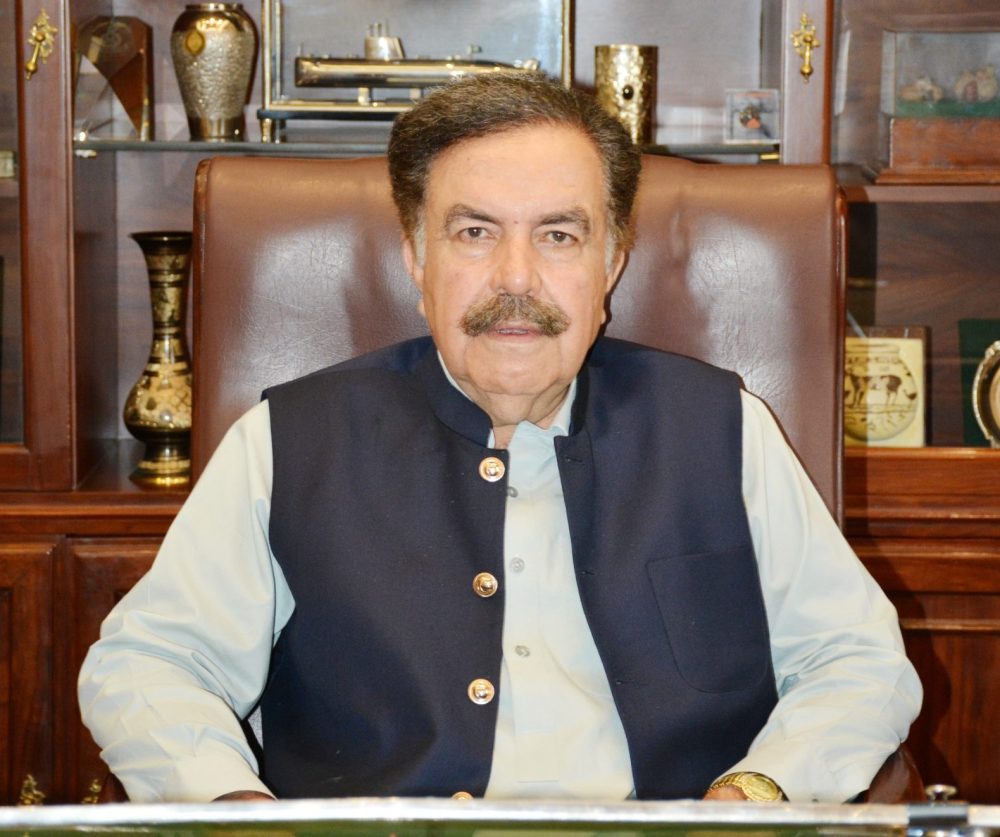
QUETTA, Nov 03 (APP): Governor Balochistan Jaffar Khan Mandokhail on Tuesday voiced concern over the growing brain drain from the province, stating that more than 100 scholars have left Balochistan due to a ban on the regular appointment of professors and PhD scholars.
Chairing the third Senate meeting of the Balochistan University of Engineering and Technology (BUET), Khuzdar, the governor emphasized the need for a comprehensive and attractive strategy to retain existing PhD scholars and senior professors while encouraging qualified researchers and academics to join public-sector universities across the province.
He said that ensuring quality education and a conducive academic environment in all public-sector universities required urgent measures to address brain drain and strengthen research and academic capacities. Such efforts, he noted, would improve the performance of universities and help equip students with modern knowledge and research skills.
Jaffar Khan Mandokhail praised the efforts of Vice Chancellor Prof. Maqsood Ahmed and his team, saying their contributions deserved recognition. However, he added that much more remained to be done to improve the higher education sector in the province.
The Senate meeting was attended by Balochistan High Court Justice Najamuddin Mengal, Opposition Leader Mir Younas Aziz Zehri, Provincial Education Minister Raheela Hameed Khan Durrani, Secretary Higher Education Hashim Khan Ghilzai, Vice Chancellor Prof. Maqsood Ahmed, Pro-Vice Chancellor Prof. Dr. Mushtaq Ahmed Shah, Registrar Engr. Liaqat Lehri, and other Senate members.
The governor said the establishment of new universities and campuses in Balochistan would be guided by local needs and ground realities rather than personal preferences. He stressed that the utility of existing campuses should be thoroughly reviewed and policy decisions taken regarding their continuation, merger, or closure where necessary.
Highlighting challenges in the higher education sector, Jaffar Mandokhail pointed out that some modern academic disciplines faced a severe shortage of senior faculty members, while certain traditional departments had more staff than required compared to student enrolment. He called for addressing this imbalance through effective human resource planning.
He further stressed that improving higher education standards required sound policymaking, prudent use of available resources, and continuous enhancement of academic and research quality.
Following detailed deliberations on recommendations and proposals presented by Senate members, several important decisions were taken to improve the university’s academic and administrative performance.