
QUETTA, Nov 04 (APP):The Balochistan High Court (BHC) has raised serious concerns over the continued use of untreated sewage water to irrigate vegetable and fodder crops in Quetta and its adjoining areas, warning that the practice could pose significant risks to public health, food safety and the environment. Taking up a constitutional petition on the issue, a divisional bench comprising Justice Iqbal Ahmed Kasi and Justice Mian Muhammad Rauf Atta …
BHC expresses concern over irrigation of vegetables with untreated sewage water
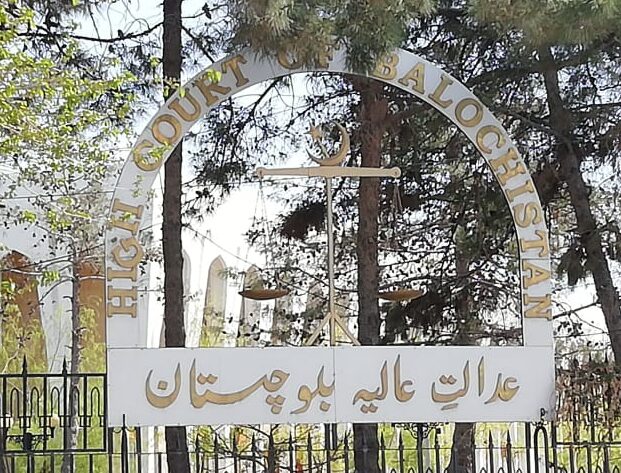
QUETTA, Nov 04 (APP):The Balochistan High Court (BHC) has raised serious concerns over the continued use of untreated sewage water to irrigate vegetable and fodder crops in Quetta and its adjoining areas, warning that the practice could pose significant risks to public health, food safety and the environment.
Taking up a constitutional petition on the issue, a divisional bench comprising Justice Iqbal Ahmed Kasi and Justice Mian Muhammad Rauf Atta directed the relevant authorities to submit comprehensive reports detailing the measures taken so far and those planned to prevent the use of untreated wastewater for agricultural purposes.
The court observed that the matter involved considerable public importance, as vegetables and fodder irrigated with contaminated water could expose both humans and animals to serious health hazards. It noted that untreated sewage may contain arsenic, heavy metals and other harmful substances that can be absorbed by crops, eventually entering the food chain and creating long-term health risks.
The bench emphasised that the issue required coordinated, practical and effective action by the concerned departments rather than routine or symbolic measures. It stressed that protecting residents from the potential consequences of contaminated agricultural produce was a responsibility that could not be overlooked.
During the proceedings, the court was informed that para-wise comments on behalf of one of the respondents had been submitted and placed on record, with copies provided to the petitioner’s counsel. The Additional Advocate General was directed to ensure the submission of comments on behalf of respondents Nos. 1 to 3, while counsel representing respondent No. 5 was also instructed to file the required response and provide an advance copy to the petitioner’s lawyer.
The court further directed the Director General of the Balochistan Environmental Protection Agency (BEPA), the Managing Director of the Water and Sanitation Agency (WASA), and the Administrator of Quetta to submit detailed reports before the next hearing. These reports must explain the current situation regarding the use of sewage water for irrigation, the quality of discharged wastewater, and the steps taken to prevent untreated effluent from reaching agricultural fields.
The authorities have also been asked to provide details of existing arrangements for the treatment and safe disposal of sewage, along with an assessment of the effectiveness of measures already introduced. The court specifically sought information on compliance with its earlier directions concerning the same issue and details of further steps proposed to protect public health in Quetta and surrounding areas.
The bench recalled that the matter had previously been examined in Constitutional Petition No. 813/2019, in which detailed directions had been issued to the relevant authorities. However, allegations that untreated sewage water was still being used for irrigation prompted the court to seek an updated assessment of the situation and determine whether the earlier orders had been properly implemented.
Observing the need for a broader institutional response, the court also directed the petitioner’s counsel to implead the Director General of the Balochistan Food Authority as respondent No. 7. The bench observed that the food authority’s involvement was necessary for a comprehensive examination of the matter, particularly given its implications for food safety and public health. The court office was directed to issue notices to the newly added respondent after completion of the required legal formalities and seek para-wise comments before the next hearing.
The hearing was attended by the Additional Advocate General, the Director General of BEPA, the Administrator of Quetta, and lawyers representing the concerned respondents, including WASA.
With the potential health and environmental consequences of untreated sewage irrigation at the centre of the proceedings, the court sought clear answers from the relevant institutions on how the practice could be effectively stopped and how safe wastewater management could be ensured.
The bench adjourned the hearing for three weeks and directed that copies of its order be forwarded to the Office of the Advocate General Balochistan and the concerned authorities for information and compliance.