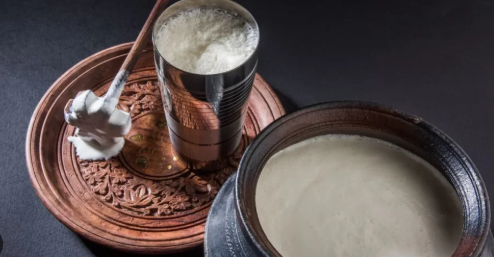
In the scorching and sizzling summers of South Punjab, where temperatures often soar above 45 degrees Celsius, a centuries-old tradition continues to provide relief, nourishment and a sense of cultural identity. At the heart of this tradition is “Lassi”, a simple yogurt-based drink that has long been a staple in rural households.
A Glass of Heritage: Rural women preserve south Punjab’s timeless “Lassi” culture
M Atif Ismail
MULTAN, Jun 23 (APP):In the scorching and sizzling summers of South Punjab, where temperatures often soar above 45 degrees Celsius, a centuries-old tradition continues to provide relief, nourishment and a sense of cultural identity. At the heart of this tradition is “Lassi”, a simple yogurt-based drink that has long been a staple in rural households.
Behind every clay pot of freshly churned Lassi stands a rural woman preserving a heritage passed down through generations. From caring for livestock to preparing milk, butter and Lassi, the rural women have played a vital role in sustaining a tradition that remains deeply rooted in the culture of rural areas of South Punjab.
In villages across Multan, Khanewal, Vehari, and some others, almost every household keeps cows or buffaloes. Fresh milk is converted into yogurt, which is then churned to produce butter and Lassi. While traditional wooden churners and clay pots were once used exclusively, many households now rely on electric churners, making the process faster while keeping the tradition alive.
“Women have always been the custodians of this culture,” said Shamim Bibi, a resident of a village Nawabpur near Multan. “Our mothers taught us how to prepare yogurt, churn butter and make lassi. Even today, no summer day feels complete without serving a glass of fresh Lassi to family members and guests.”
Unlike urban centres where Lassi is increasingly sold through restaurants and commercial outlets, rural communities regard it as a symbol of hospitality rather than a commodity. It is commonly shared with neighbours, relatives and visitors as a gesture of goodwill.
“It would be considered inappropriate in many villages to sell homemade Lassi to neighbours,” said Malik Iftikhar, a local farmer. “People offer it freely because it reflects our traditions, generosity and respect for guests. A glass of lassi is often the first thing offered to anyone visiting a home during summer.”
Health experts also acknowledge the benefits of the traditional drink. As consumers become increasingly aware of the health concerns associated with sugary carbonated beverages, many nutritionists are encouraging people to return to natural alternatives.
According to Dr Fakhar ul Islam, a physician in Multan, Lassi offers several health benefits. “Traditional Lassi contains probiotics that support digestive health and help maintain a healthy gut. It also provides hydration, calcium and essential nutrients. Compared with many commercially available soft drinks that contain excessive sugar and artificial ingredients, Lassi is a far healthier option, especially during hot weather.”
The doctor observed that excessive consumption of carbonated beverages had been linked to obesity, diabetes and other health issues, while traditional dairy-based drinks provide natural nourishment.
In recent years, Lassi has also experienced a revival in urban areas. Restaurants, roadside cafés and specialty beverage outlets have begun offering sweet and salty varieties to meet growing consumer demand. Yet despite its commercial success in cities, its true essence remains tied to the villages where it is still prepared daily as part of family life.
For many residents of South Punjab, Lassi is far more than a refreshing drink. It is a symbol of rural resilience, community bonding and cultural continuity. And at the centre of this enduring tradition are the women who continue to preserve and pass on a heritage that has refreshed generations.