UN chief says he sent letter to Russian FM seeking to revive grain deal
UN chief says he sent letter to Russian FM seeking to revive grain deal
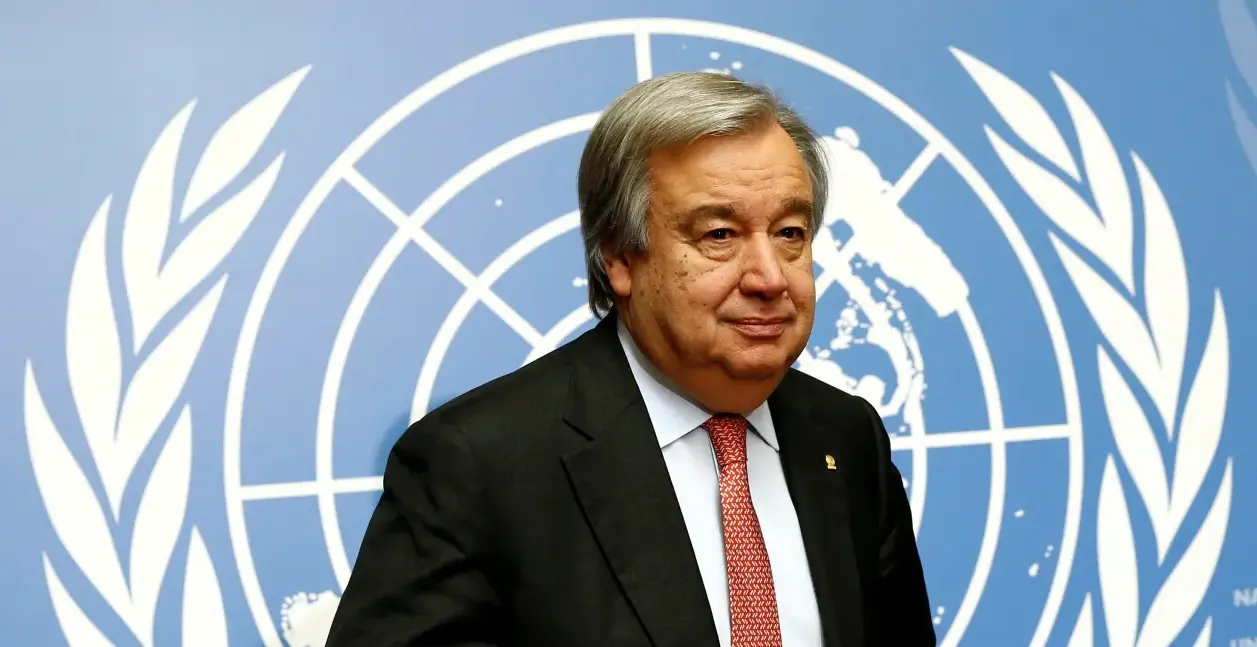
UNITED NATIONS, Aug 31 (APP): United Nations Secretary-General Antonio Guterres said Thursday he has written a letter to Russian Foreign Minister Sergey Lavrov in a bid to revive the Black Sea Grain Initiative.
Russia pulled out of the deal in July — a year after it was brokered by the United Nations and Turkiye — complaining that its own food and fertilizer exports faced obstacles and that not enough Ukrainian grain was going to countries in need.
The Black Sea grain deal was intended to combat a global food crisis that the United Nations said had been worsened by Russia’s February 2022 invasion of Ukraine. Russia and Ukraine are both leading grain exporters.
“We have some concrete solutions for the concerns allowing for an effective or more effective access of Russian food and fertilizers to global markets at adequate prices,” the UN chief said in reply to a question at a news briefing at the U.N. headquarters in New York.
“We believe that the Black Sea initiative has given a very important contribution to make the food markets more adequate to our objectives of food security,” he said, adding the deal brought prices down and created conditions for access to global markets of many countries.
“We believe it would be extremely important to renew it. And at the same time, we took into concern the Russian requests, and I believe we presented a proposal that could be the basis for renewal,” he said.
But Guterres stressed that renewal “must be stable.”
“We cannot have a Black Sea initiative that moves from crisis to crisis from suspension to suspension. We need to have something that works and that works to the benefit of everybody,” he said.
The war in Ukraine sent food commodity prices to record highs last year and contributed to a global food crisis also tied to other conflicts, the lingering effects of the COVID-19 pandemic, droughts and other climate factors.
High costs for grain needed for food staples in many developing countries exacerbated economic challenges and helped push millions more people into poverty or food insecurity.
APP/ift