
ISLAMABAD, Nov 29 (APP):Supreme Court of Pakistan Justice Miangul Hassan Aurangzeb represented the country at the Asia-Pacific Biennial Conference of the International Association of Refugee and Migration Judges (IARMJ), held in Auckland, New Zealand, from November 25 to 27. The conference, organised under the theme “75 Years of the Convention – Where to From Here?”, brought together judges, legal practitioners, academics and experts from across the Asia-Pacific region and beyond …
Supreme Court advances international judicial engagement at Auckland conference
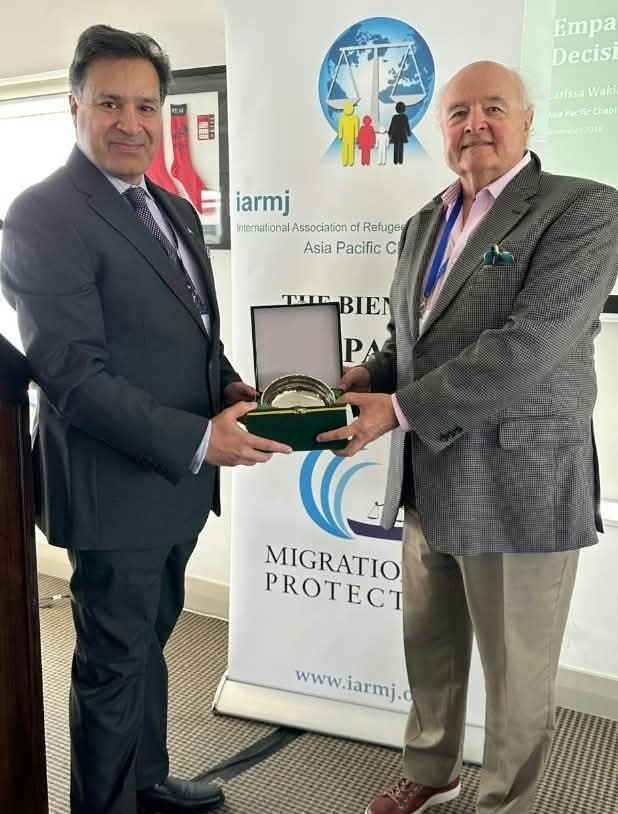
ISLAMABAD, Nov 29 (APP):Supreme Court of Pakistan Justice Miangul Hassan Aurangzeb represented the country at the Asia-Pacific Biennial Conference of the International Association of Refugee and Migration Judges (IARMJ), held in Auckland, New Zealand, from November 25 to 27.
The conference, organised under the theme “75 Years of the Convention – Where to From Here?”, brought together judges, legal practitioners, academics and experts from across the Asia-Pacific region and beyond to discuss contemporary challenges relating to refugee protection, migration law and international protection, said a press release issued on Sunday.
The three-day programme, comprising a pre-conference workshop and the main conference, focused on the evolving role of domestic courts in refugee and migration matters, credibility assessment, human security, protection pathways and emerging challenges confronting judicial decision-makers.
Justice Aurangzeb’s participation, upon the invitation of the United Nations High Commissioner for Refugees (UNHCR), provided an opportunity for engagement with international judicial counterparts, exchange of comparative judicial experiences and institutional learning on emerging legal and humanitarian challenges associated with migration and displacement.
The participation of the Supreme Court of Pakistan in the conference reflects its continued efforts to strengthen international judicial cooperation, promote the exchange of knowledge and best practices, and enhance institutional capacity in addressing contemporary legal challenges and safeguarding fundamental rights.