Moniba Iftikhar ISLAMABAD, Nov 29 (APP):Not long ago, commuting across Islamabad was often a frustrating experience, with passengers facing long waits for conventional buses, limited transport options during rush hours and uncomfortable journeys in scorching summers and chilly winters. Overcrowded vehicles, inadequate passenger security arrangements and a lack of comfortable travel options made daily commuting a persistent challenge for thousands of residents, particularly students, employees …
Moniba Iftikhar
ISLAMABAD, Nov 29 (APP):Not long ago, commuting across Islamabad was often a frustrating experience, with passengers facing long waits for conventional buses, limited transport options during rush hours and uncomfortable journeys in scorching summers and chilly winters.
Overcrowded vehicles, inadequate passenger security arrangements and a lack of comfortable travel options made daily commuting a persistent challenge for thousands of residents, particularly students, employees and working women who depended on public transportation.
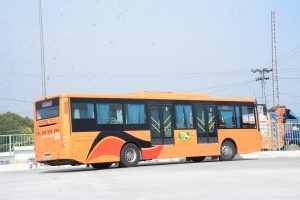
Today, a gradual transformation is taking shape across the federal capital as the Capital Development Authority (CDA), with the support of the federal government, continues to expand and modernize public transport services and infrastructure, making daily travel more comfortable, affordable and accessible.
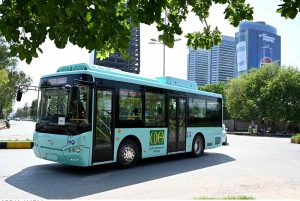
Air-conditioned metro buses, electric feeder services, CCTV-monitored travel, improved operational arrangements and affordable fares are contributing to a changing commuting experience, offering residents greater convenience and more reliable travel options.
The transformation goes beyond the introduction of modern vehicles. It reflects a broader approach towards urban mobility, where passenger comfort, safety, punctuality and environmental responsibility are becoming central pillars of public transport planning.
Sharing details of these improvements with APP, Deputy Director General Metro Bus Rana Tariq said Islamabad’s public transport system had undergone considerable improvements, with modern facilities and technology being introduced to enhance the overall commuting experience.
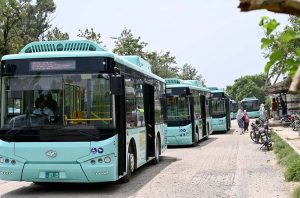
He said the CDA was operating a total of 210 buses across 21 routes under its metro and electric feeder bus network, serving approximately 120,000 passenger trips daily.
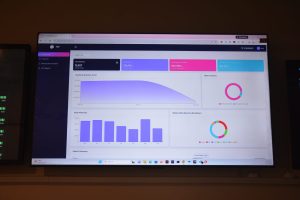
More than 13 million passengers had benefited from these services during the preceding three months, reflecting the growing importance of affordable public transportation in meeting the mobility requirements of the capital’s expanding population.
Highlighting the difference between previous and present transport arrangements, Rana Tariq said commuters earlier had limited travelling choices and often faced difficulties due to inadequate passenger facilities. The modern fleet, however, was providing air-conditioned travel, enhanced security measures and more efficient operational management.
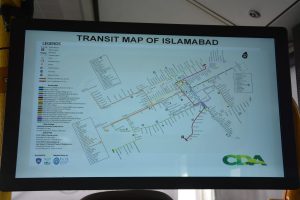
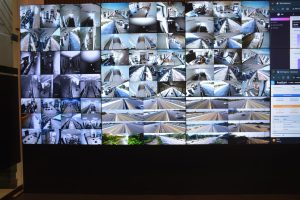
He said cameras installed inside and outside buses were helping strengthen passenger safety through continuous monitoring, while digital systems were supporting operational oversight and service coordination.
Particular attention was being given to punctuality and adherence to schedules so that passengers could plan their journeys with greater confidence.
Air-conditioning systems were also being adjusted according to prevailing weather conditions to ensure a comfortable travelling environment throughout the year.
Rana Tariq said the CDA was operating a fleet comprising 160 electric feeder buses, 30 diesel buses and 20 metro buses across different routes in Islamabad, strengthening connectivity and providing commuters with more accessible travelling options.
He said the expanding electric bus network was also supporting the transition towards cleaner and more sustainable urban transportation by reducing reliance on conventional fuel-powered vehicles.
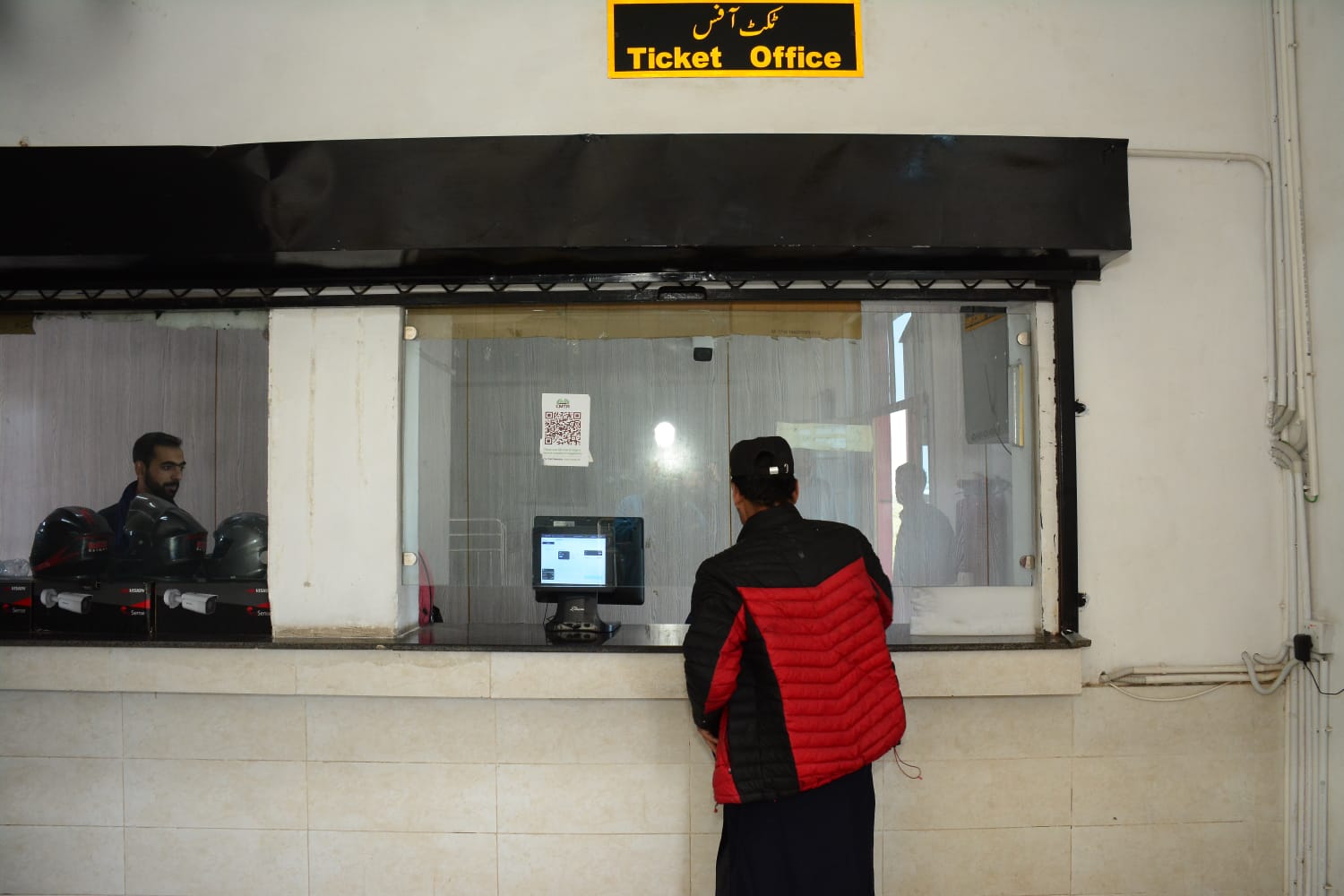
With a nominal fare of just Rs50 per journey, the service was offering considerable financial relief to students, employees, working women and ordinary citizens, making comfortable public transport available without placing additional pressure on household budgets.
The authority is also looking beyond routine commuting by preparing to introduce four double-decker buses for tourists. The proposed service will provide visitors with a unique opportunity to explore Islamabad’s scenic landscapes, prominent landmarks and recreational attractions.
The initiative is expected to add a new dimension to the capital’s tourism facilities while offering families and visitors a distinctive sightseeing experience. The proposed route is expected to cover popular destinations, including Fatima Jinnah Park (F-9 Park), Rawal Lake and other prominent attractions.
Another significant initiative is the proposed introduction of 30 pink electric metro buses exclusively for women, with their arrival expected within the next two to four months.
The service is intended to address transportation challenges faced by female commuters, particularly during peak travelling hours when overcrowding and limited transport choices can make daily journeys difficult.
For women travelling regularly to offices, universities and workplaces, dependable transportation is not simply about reaching a destination; it is closely linked to economic independence, educational opportunities and the ability to participate confidently in everyday activities.
A working woman commuter, Irum Sajjad, welcomed the proposed initiative, saying dedicated buses would provide female passengers with an additional travelling option and make their daily journeys more convenient.
She expressed hope that the service would particularly benefit women who depend on public transport to reach their workplaces and educational institutions.
Another commuter, Tahira Yasir, who works at F-10/2 Model College for Girls, told APP that the federal government and CDA had given considerable attention to improving public transportation in the capital, providing ordinary citizens with more comfortable and affordable travelling facilities.
She said the availability of air-conditioned buses at economical fares had made daily commuting easier for students, employees and families who previously faced difficulties in finding suitable transport.
She added that the proposed pink buses would be a welcome addition, particularly for female students and working women, as dedicated transport facilities could provide them with greater convenience and confidence during daily journeys.
Tahira also appreciated the provision of special transport arrangements during cultural events and festivals at Lok Virsa, saying such initiatives helped visitors, families and participants reach event venues more conveniently while reducing transportation difficulties during large public gatherings.
She said continued attention to regular schedules, affordable fares, passenger comfort and accessible routes would further strengthen public confidence in the city’s transport system.
These initiatives reflect the development vision of CDA Chairman Sohail Ashraf and the federal government, with greater attention being directed towards modern infrastructure, public convenience and sustainable urban
services.
The expansion of electric mobility, proposed women-focused transport facilities, tourism-oriented buses and special transport arrangements during public events demonstrate efforts to diversify the capital’s transportation options and respond to the changing needs of its residents and visitors.
As the Capital Development Authority continues to expand and modernize its network, the focus remains on providing safe, affordable and reliable transport solutions that improve the daily lives of residents while supporting the capital’s broader vision of sustainable urban development.
From conventional buses to air-conditioned journeys, from limited travel choices to an expanding network and from traditional commuting arrangements to technology-supported services, Islamabad’s public transport system is undergoing a significant transformation.
Ultimately, the progress of a modern capital is reflected not only in its roads, buildings and infrastructure but also in the everyday experiences of its people.
With continued improvements in public transportation, Islamabad is moving towards a future where comfortable, affordable and reliable travel becomes an everyday convenience, connecting communities, supporting economic and educational opportunities and making the capital a more accessible, inclusive and environmentally responsible city.