
RAWALPINDI, Nov 26 (APP):Sudden vision loss without pain can signal retinal vein occlusion, a blocked vein carrying blood away from the light-sensitive retina, requiring immediate consultation with an eye specialist to prevent permanent sight damage, an Al-Shifa Trust Eye Hospital retina consultant warned on Thursday. Briefing reporters, Assistant Professor and Retina Clinic Consultant Dr. Abdul Hanan explained that retinal vein occlusion disrupts ocular circulation and causes fluid accumulation, noting that …
Sudden, painless vision loss signals retinal vein blockage; urgent treatment essential: Eye retina specialist
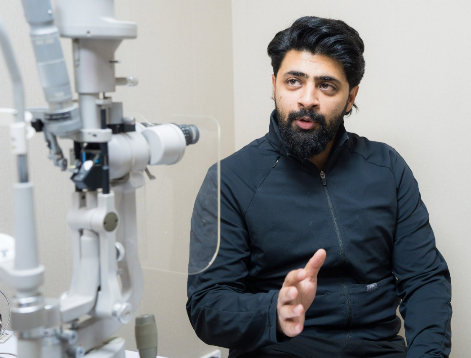
RAWALPINDI, Nov 26 (APP):Sudden vision loss without pain can signal retinal vein occlusion, a blocked vein carrying blood away from the light-sensitive retina, requiring immediate consultation with an eye specialist to prevent permanent sight damage, an Al-Shifa Trust Eye Hospital retina consultant warned on Thursday.
Briefing reporters, Assistant Professor and Retina Clinic Consultant Dr. Abdul Hanan explained that retinal vein occlusion disrupts ocular circulation and causes fluid accumulation, noting that uncontrolled diabetes, high blood pressure, advancing age, cigarette smoking, and glaucoma are major risk factors driving central or branch retinal vein blockages.
Highlighting a sharp rise in diabetic retinopathy including an alarming increase among children, Dr. Hanan underscored Pakistan’s urgent need for additional retina specialists, while noting that Al-Shifa Trust Eye Hospital Rawalpindi operates the country’s largest retina department, which recorded 119,694 outpatient visits, 16,467 surgeries, and 37,513 laser and injection procedures between October 2025 and October 2026.
Urging strict control of blood sugar and blood pressure along with prompt retinal examinations upon any sudden visual change, he added that primary treatments including anti-VEGF injections to curb fluid leakage and abnormal vessel growth, as well as laser therapy are provided daily free of cost at the hospital, sparing low-income patients the financial burden of repeated procedures.