ISLAMABAD, Nov 25 (APP):Federal Minister for Information and Broadcasting Attaullah Tarar said misinformation and disinformation are the biggest threat of the modern age, in which the definition of a broadcaster is changing rapidly. Delivering his remarks as a panelist at an international conference on Social Media Platforms and the Post-Truth Era, organized by the Sustainable Development Policy Institute (SDPI), the minister noted the dynamic landscape of social media in Pakistan, …
Misinformation, disinformation biggest threat of modern age: Atta Tarar
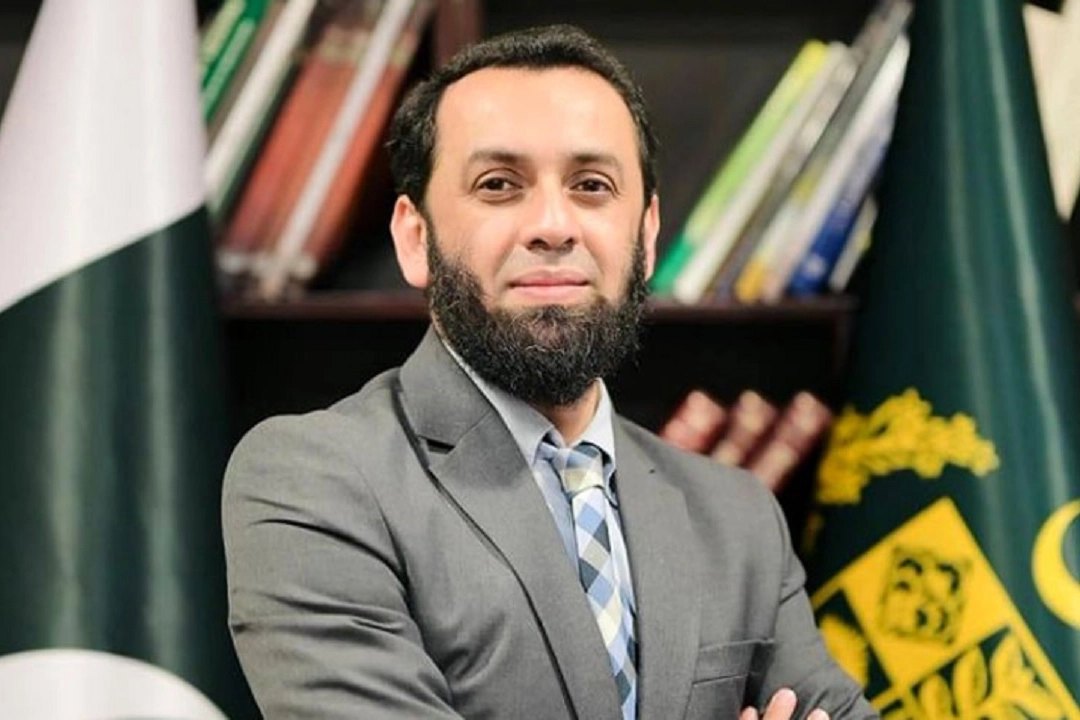
ISLAMABAD, Nov 25 (APP):Federal Minister for Information and Broadcasting Attaullah Tarar said misinformation and disinformation are the biggest threat of the modern age, in which the definition of a broadcaster is changing rapidly.
Delivering his remarks as a panelist at an international conference on Social Media Platforms and the Post-Truth Era, organized by the Sustainable Development Policy Institute (SDPI), the minister noted the dynamic landscape of social media in Pakistan, with almost 100 million social media users and 160 million smartphone users in the country.
“When something goes viral, it takes merely minutes and spreads like wildfire. To claim that a narrative is false, certain questions need to be asked. Number one is what the source of the news is and whether it is coming from an authentic source,” he said in response to a question posed by the moderator about “false narrative”.
He pointed to the changing definition of the broadcaster amid the evolution from traditional media to social media.
Traditionally, radio, television and other forms of broadcasters existed, he said, adding that now anyone with a smartphone in hand is a broadcaster.
“When you have such a vast definition of a broadcaster, then the challenge of verifying information becomes tougher,” he noted.
Citing the World Economic Forum’s report, he said, “The greatest threat of our age is not nuclear warfare or destruction caused by climate change; it is misinformation and disinformation.”
“When the definition of broadcaster is changing and millions of sources of information are coming through, it is quite a challenge to declare something a fake or false narrative,” the minister stressed.
Citing his conversation with a religious party that was later banned, he said that in the midst of negotiations, they wanted certain multinational companies shut down. When asked why they had not spoken about shutting down social media platforms, which are also owned by foreign entities, they outrightly refused, saying the platforms were imperative for the promotion of their ideology and agenda.
“Now, you have hardliners and banned organizations. This threat has gone way beyond declaring something a false narrative,” he argued.
“Let me say something very radical: we are financially incentivizing terrorism, harassment and child abuse for that matter. Anything that goes viral is now directly linked to financial incentives,” he said, calling for redressal of the algorithmic injustice that enables such contributors or creators to earn money in accordance with their virality and views.
In such a scenario, the issue of false narrative recedes into the background, he added.
“The other day, we had a video from the BLA and you know well, it is not only a proscribed organization but is also on the list of banned organizations of the US State Department. We took it up with certain social media platforms that these people are terrorists killing innocent people and this content needs to be taken down, but it wasn’t.”
“So you see, the debate has gone far beyond what we can declare a false narrative,” he affirmed.
He said, “It is now incentivizing terrorism and female harassment, and it fails to protect the dignity and privacy of citizens.”
The minister appreciated the compliance rate of certain social media platforms, especially those labeling AI-generated videos, enabling viewers to know that the content was created through AI.
He welcomed the opening of social media platforms in Pakistan, wishing them great success in their business here and highlighting Pakistan’s potential in the form of a vibrant youth that creates a lot of positive content.
“We have a lot of potential in this regard and social media platforms can hugely benefit from positive content. We would like to work with them hand in hand to counter this threat,” he resolved.
He also highlighted the government’s engagement with multiple social media platforms over the years, and the issue of compatibility with local legislation. “Through our legislation, we cannot compel any social media platform to adhere to our laws because those laws are promulgated within the jurisdiction of Pakistan and are applicable here only.”
“Whenever we speak with them, they show eagerness to open their offices in Pakistan and enhance their presence here. But there is a policy division within their own organization along with their legal wings,” he said, adding that the manuscripts and regulations they have do not seem compatible with local laws.
“We are ready to work with all social media platforms to help them formulate their policies in accordance with local laws. It cannot be one size fits all. Every country has its own dynamics and issues, so you cannot have a uniform policy in every country.”
He called for issuing an Islamabad Declaration from the forum to engage social media platforms in constituting a working group to ensure that regulations are cohesive and mutually supportive.
“There is a need for forming a national task force with representation from all stakeholders, including federal and provincial governments and relevant institutions and ministries,” he said, responding to a query from participants.
“On social media platforms, there is no inherent system to filter this initially. It has to be brought to their notice from time to time that a particular post is from a terrorist organization and needs to be filtered,” he explained.