ISLAMABAD, Nov 25 (APP):Saudi Arabia's 600-square-kilometre Harrat Al Rass Al Abyad Nature Reserve, home to three rare white volcanoes and a 1,481-metre-long lava cave, has been registered in the World Database on Protected Areas (WDPA), marking a major step towards protecting the Kingdom's wildlife and unique geological heritage. The registration was carried out by the Royal Commission for AlUla (RCU) in coordination with the National Centre for Wildlife. Located in …
Saudi Arabia’s 600-sq-km reserve with rare white volcanoes gains global recognition
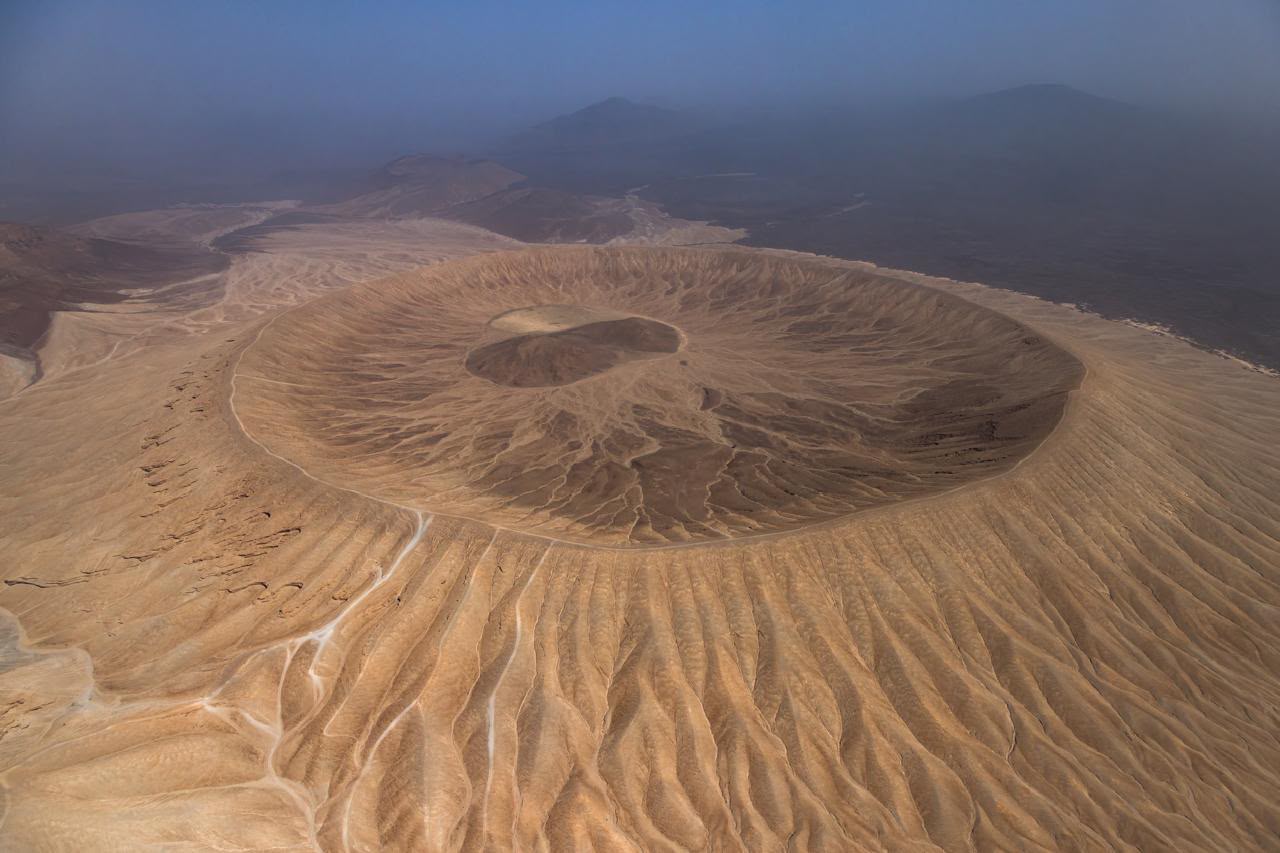
ISLAMABAD, Nov 25 (APP):Saudi Arabia’s 600-square-kilometre Harrat Al Rass Al Abyad Nature Reserve, home to three rare white volcanoes and a 1,481-metre-long lava cave, has been registered in the World Database on Protected Areas (WDPA), marking a major step towards protecting the Kingdom’s wildlife and unique geological heritage.
The registration was carried out by the Royal Commission for AlUla (RCU) in coordination with the National Centre for Wildlife. Located in Khaybar Governorate in the Madinah Region, the reserve has also been registered in the National Database of Protected Areas, the Saudi Press Agency (SPA) told APP.
The reserve is the sixth within RCU’s protected area network, which covers a total area of 12,107 square kilometres.
Its registration is part of the commission’s ongoing efforts to expand protected areas, preserve natural resources and improve their management through scientific research.
The reserve is located within Harrat Khaybar, one of the largest volcanic fields in the Arabian Peninsula, where rare white volcanoes stand alongside black volcanic rock fields, creating a unique natural landscape. The white volcanoes get their distinctive colour from a type of volcanic rock known as comendite.
The area is home to three rare white volcanoes — Jabal Al Bayda, Jabal Al Abyad and Jabal Al Mansaf — making it an important site for studying geological diversity and the history of volcanic activity.
The reserve falls under Category III of the International Union for Conservation of Nature (IUCN), which focuses on protecting unique natural features, wildlife and their habitats. It is also home to Umm Jirsan Cave, one of Saudi Arabia’s longest lava tube systems, stretching approximately 1,481 metres.
Initial surveys conducted by the RCU have recorded around 99 plant species, 14 mammal species, 18 reptile species and 59 bird species, including the endangered Egyptian vulture.
The surveys have also identified suitable habitats for the mountain ibex, while further research and data collection are underway to identify wildlife species and determine conservation priorities.
The reserve was developed following environmental, geological and cultural studies conducted between 2022 and 2024 in collaboration with the IUCN.
Based on these studies, a five-year management plan for 2024–2029 was prepared to protect the area’s natural and cultural heritage and monitor its wildlife and environmental conditions.
The RCU is also working to secure further international recognition for the area by meeting the requirements of UNESCO Global Geoparks and the IUCN Green List.
These efforts aim to protect the area’s geological heritage and improve the management of natural reserves in line with international standards.
The registration of Harrat Al Rass Al Abyad Nature Reserve is part of the RCU’s ten-year strategy to restore natural ecosystems, protect wildlife habitats and preserve biodiversity and geological heritage. The efforts also support the Saudi Green Initiative’s target of protecting 30 percent of the Kingdom’s land and marine areas by 2030.