By Sultan Shoaib GILGIT, Nov 25 (APP):Speaker Gilgit-Baltistan Assembly Imran Nadeem Shigri has assured full support and cooperation to the Pakistan Poverty Alleviation Fund (PPAF) for expanding development initiatives across Gilgit-Baltistan, particularly in climate resilience, environmental protection, renewable energy, hydro-power, agriculture and technical skills development. He gave the assurance during a high-level meeting in Skardu attended by PPAF Chief Executive Officer Nadir Gul Barech, provincial ministers and representatives of various …
GB Assembly Speaker assures full support to PPAF for expanding development initiatives
By Sultan Shoaib
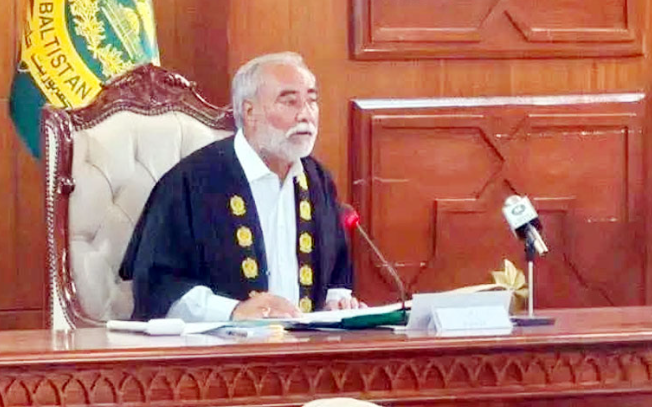
GILGIT, Nov 25 (APP):Speaker Gilgit-Baltistan Assembly Imran Nadeem Shigri has assured full support and cooperation to the Pakistan Poverty Alleviation Fund (PPAF) for expanding development initiatives across Gilgit-Baltistan, particularly in climate resilience, environmental protection, renewable energy, hydro-power, agriculture and technical skills development.
He gave the assurance during a high-level meeting in Skardu attended by PPAF Chief Executive Officer Nadir Gul Barech, provincial ministers and representatives of various government departments, including the district administration, Gilgit-Baltistan Disaster Management Authority, Forest Department and Agriculture Department.
The meeting discussed key regional development priorities, including climate change impacts, glacier-related risks, disaster management, women’s empowerment, youth engagement, vocational training and sustainable livelihood opportunities.
Speaking on the occasion, PPAF CEO Nadir Gul Barech reaffirmed the organization’s commitment to poverty alleviation, inclusive economic growth and community-driven development. He highlighted the importance of strengthening local institutions and civil society organizations while empowering women and youth through sustainable livelihood initiatives.
He said Gilgit-Baltistan’s unique geographical and environmental conditions required innovative and community-based development solutions, adding that PPAF was committed to working with the provincial government, local institutions and communities to strengthen climate resilience, protect mountain ecosystems, promote renewable energy and improve agricultural livelihoods.
He also highlighted PPAF’s nationwide Dukhtaran-e-Pakistan Campaign, scheduled from November 25 to December 10, 2026, under the theme “Strong Families Make Strong Societies.” The campaign, being organized as part of the 16 Days of Activism Against Gender-Based Violence, aims to promote gender equality, challenge harmful social norms and strengthen community awareness across the country, including Gilgit-Baltistan, Azad Jammu and Kashmir and Islamabad.
Minister for Forests, Environment and Wildlife Raja Nasir appreciated PPAF and Mountain and Glacier Protection Organization (MGPO) for bringing stakeholders together to discuss development priorities. He stressed the importance of public-private partnerships and assured full government support for the organization’s initiatives.
Highlighting the potential of medicinal plants, orchards and agriculture, he emphasized farmers’ capacity building, improved agricultural practices and the registration of farmers through a comprehensive database to facilitate access to government subsidies and improve agricultural planning.
Minister for Agriculture and Livestock Haji Anwar Ali underscored the need to strengthen agriculture and livestock sectors to improve rural livelihoods and create economic opportunities. He called for modern farming practices, farmers’ training, livestock development and stronger coordination between government departments and development partners.
Earlier, MGPO CEO Ayesha Khan welcomed the participants and briefed them on the organization’s mandate and ongoing initiatives in collaboration with PPAF. She appreciated PPAF’s contributions to food security, irrigation, disaster risk reduction, flood protection, tree plantation and environmental conservation.
She emphasized stronger institutional coordination and community-based interventions to protect fragile mountain ecosystems and enhance the resilience of vulnerable communities.
Commissioner Baltistan Region Kamal Khan highlighted the increasing impacts of climate change on communities, particularly in Ghanche, Shigar and Skardu. He stressed the need for scientific assessments, reliable data and evidence-based planning and sought PPAF’s technical assistance in glacier and geospatial mapping and climate data development.
He also emphasized youth engagement, vocational training and skills development to improve employment prospects and economic opportunities in the region.
Deputy Commissioner Skardu Hamza Murad appreciated PPAF’s contributions to community development and identified river diversion, hazard mapping and disaster preparedness as major regional challenges. He called for comprehensive multi-hazard vulnerability and risk assessments and sought technical support from PPAF to develop a database for effective disaster planning, risk identification and mitigation.