Chairman Kashmir Institute of International Relations (KIIR) Altaf Hussain Wani on Tuesday, warned that the use of heavy machinery for expanding the route near Sheshnag Lake in Indian illegally occupied Jammu and Kashmir (IIOJK) could cause serious environmental damage and put the lives of pilgrims and local residents at risk.
Wani warns of environmental risks from excavation near Sheshnag Lake
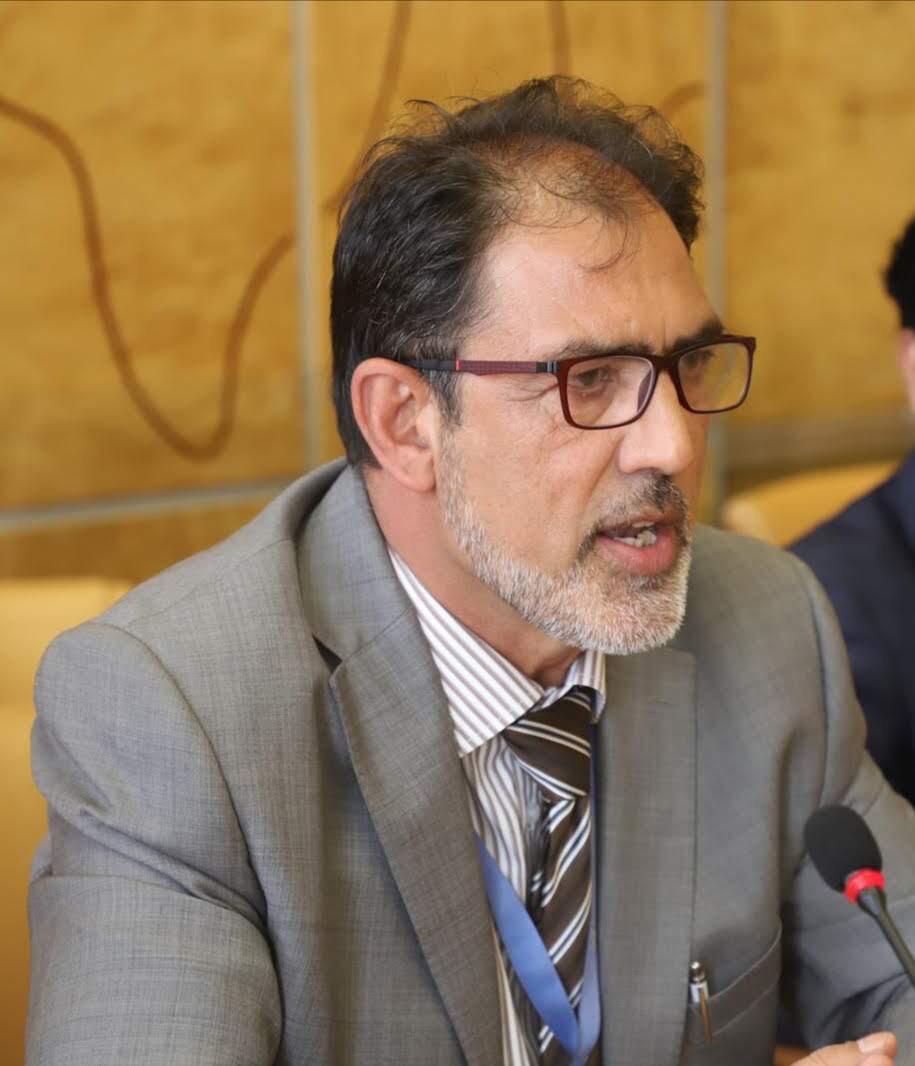
ISLAMABAD, Nov 24 (APP): Chairman Kashmir Institute of International Relations (KIIR) Altaf Hussain Wani on Tuesday, warned that the use of heavy machinery for expanding the route near Sheshnag Lake in Indian illegally occupied Jammu and Kashmir (IIOJK) could cause serious environmental damage and put the lives of pilgrims and local residents at risk.
In an article, Wani said the deployment of heavy excavation machinery, including JCBs, in the ecologically fragile Himalayan region was a serious threat to the area’s natural environment.
He pointed out that Sheshnag Lake, situated at an altitude of around 3,600 metres, was among the 14 high-risk glacial lakes identified in Jammu and Kashmir and was vulnerable to Glacial Lake Outburst Floods (GLOFs).
He cautioned that excavation, vibrations from heavy machinery and disturbance of the fragile terrain could increase environmental risks in the sensitive mountain region.
Wani referred to natural disasters in Nepal, saying unplanned infrastructure development in fragile mountainous areas could lead to landslides, glacial floods and widespread destruction.
He said concerns raised by political leaders, environmentalists and civil society members reflected growing apprehensions over the impact of construction activities near the lake.
Referring to remarks by Agha Ruhullah, Wani said Kashmir’s mountains should not be treated as private property for political or commercial interests.
He also cited PDP leader Mohit Ban’s criticism of the excavation work, while endorsing MLA Yusuf Tarigami’s warning about the dangers of using heavy machinery in the fragile Himalayan region.
Wani further referred to concerns expressed by the Muslim Women’s University Forum (MWUF), which described the activities as exploitation of the region’s natural resources rather than their protection.
He urged the Indian administration to immediately stop the use of heavy machinery near Sheshnag Lake and ensure that all development activities in the Himalayan region were based on scientific assessments and environmental safeguards.
He stressed that infrastructure projects in ecologically sensitive areas should follow low-impact and sustainable approaches, adding that the protection of the Himalayan environment was essential for the safety of local communities, pilgrims and future generations.