By Abdul Samad Tariq ANTALYA, Nov 20 (APP):Minister of State for Climate Change and Environmental Coordination Dr Shezra Mansab Ali Khan Kharal has emphasised the need to place communities at the centre of Pakistan’s energy transition, saying emerging models of community-based electricity sharing could help make renewable energy more accessible, affordable and equitable. Addressing an event titled “Advancing Swarm Electrification for Energy Equity, Climate Justice and a Just Energy Transition” …
Community interests must remain central to Pakistan’s energy transition, says Shezra Mansab
By Abdul Samad Tariq
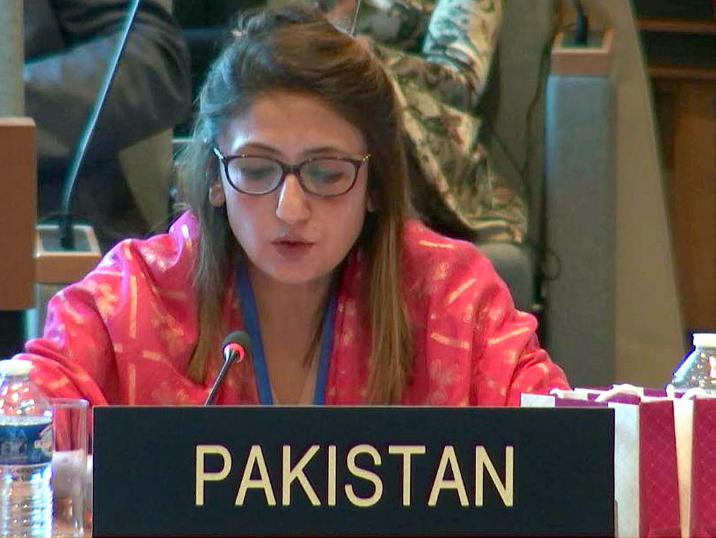
ANTALYA, Nov 20 (APP):Minister of State for Climate Change and Environmental Coordination Dr Shezra Mansab Ali Khan Kharal has emphasised the need to place communities at the centre of Pakistan’s energy transition, saying emerging models of community-based electricity sharing could help make renewable energy more accessible, affordable and equitable.
Addressing an event titled “Advancing Swarm Electrification for Energy Equity, Climate Justice and a Just Energy Transition” at the Pakistan Pavilion during COP31, she said the energy transition should not be viewed in isolation from people’s everyday needs.
Organised by the Policy Research Institute for Equitable Development (PRIED), the event examined the potential of Swarm Electrification, a decentralised model that connects existing rooftop solar installations, batteries and inverters to enable households and businesses to share surplus electricity.
Dr Shezra said community-level energy models deserved consideration for their potential to connect local energy needs with broader national and environmental priorities.
“Communities must be protected, their interests recognised, and their participation ensured. The benefits of new energy models should extend beyond infrastructure and investment to the people they are intended to serve,” she said.
The minister stressed the need to examine appropriate policy frameworks, regulatory arrangements, institutional coordination and financial mechanisms to support such initiatives and ensure equitable outcomes.
“Our approach to the energy transition must be practical and balanced. We need solutions that work for people, strengthen national energy systems, support economic development and are environmentally sustainable,” she added.
She said countries navigating the challenges of energy security, economic development and climate change needed to explore solutions that could address these priorities simultaneously.
Earlier, PRIED researcher Amina Shahab, presenting a study titled “Swarm Electrification in Pakistan: Unlocking Community-Led Energy Sharing”, said the future of the energy transition should focus not only on cleaner electricity production but also on making energy systems more accessible and equitable.
Dr Khalid Waleed, research fellow at the Sustainable Development Policy Institute, said community-driven electricity sharing could transform the power sector and facilitate access to clean energy, although the model could have economic implications for conventional grid utilities.
Other panellists highlighted the need for technical integration, peer-to-peer electricity-sharing arrangements, appropriate regulatory frameworks and innovative climate financing to expand the model.
Lidy Nacpil of the Asia Pacific Movement on Debt and Development called for grant-based financing rather than debt-based loans to support renewable energy adoption in developing countries.
Kate Lee of Solar Citizens and Bassem Souissi of the Hanns Seidel Foundation also shared experiences of community-based renewable energy initiatives in Australia and the Middle East and North Africa.
The minister appreciated PRIED and participating organisations for bringing together researchers and international experts to discuss people-centred approaches to the energy transition.