Speaker of National Assembly Sardar Ayaz Sadiq on Tuesday received a delegation of Bangladeshi Civil Service officers, currently visiting Pakistan, at Parliament House, Islamabad.
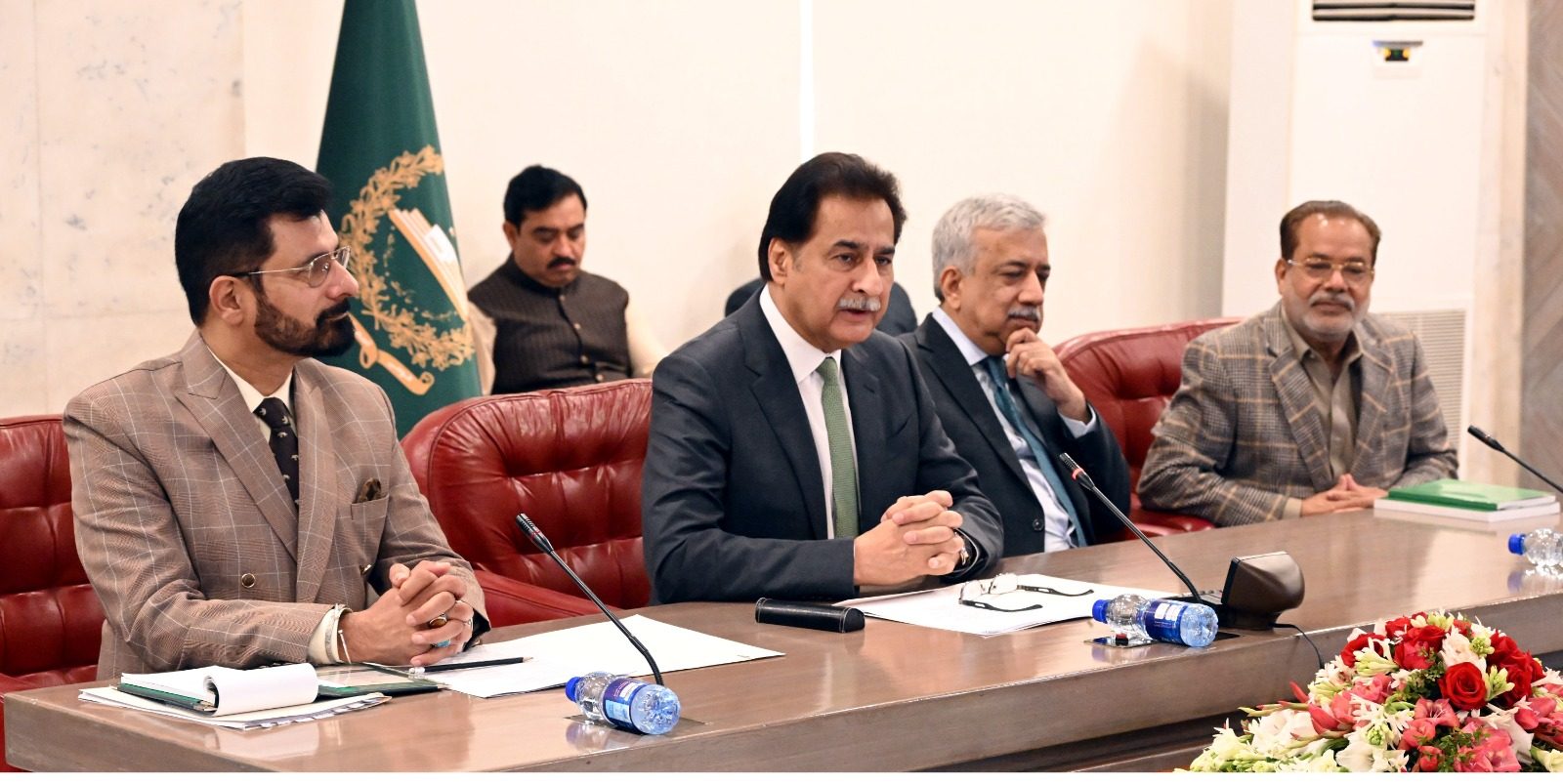
ISLAMABAD, Nov 17 (APP): Speaker of National Assembly Sardar Ayaz Sadiq on Tuesday received a delegation of Bangladeshi Civil Service officers, currently visiting Pakistan, at Parliament House, Islamabad.
Bangladesh High Commissioner to Pakistan, Md. Iqbal Hussain Khan, was also present on the occasion.
Welcoming the delegation, Ayaz Sadiq underscored the importance of strengthening the longstanding friendly relations between Pakistan and Bangladesh through enhanced bilateral cooperation, institutional engagement and people-to-people contacts.
During the interaction, NA Speaker briefed the delegation on Pakistan’s parliamentary system, legislative procedures and the composition of the National Assembly.
He also highlighted the role and functioning of Standing Committees, the SDGs Secretariat and Parliamentary Caucuses.
Ayaz Sadiq also apprised the delegation of the administrative and human resource reforms introduced in the National Assembly Secretariat under his leadership, particularly those aimed at improving the service structure, ensuring transparency and merit in recruitment and appointments, and streamlining the promotion process for Secretariat employees.
He highlighted the measures undertaken to improve employees’ career progression, address service-related matters and strengthen institutional efficiency through reforms in various administrative procedures.
Ayaz Sadiq emphasised that these initiatives were aimed at fostering a more transparent, efficient and employee-friendly working environment within the Secretariat.
Recalling the historical and fraternal ties between the two countries, NA Speaker noted that the people of Pakistan and Bangladesh shared deep bonds of affection and goodwill.
Referring to his recent visit to Bangladesh to attend the funeral prayers of former Prime Minister Begum Khaleda Zia, on the directions of the Prime Minister, he said that the warmth, affection and hospitality extended by the people of Bangladesh had left a lasting impression on him.
Ayaz Sadiq also reiterated Pakistan’s position on regional developments, saying that India had challenged Pakistan’s security and sovereignty following the Pahalgam false-flag incident, to which Pakistan had responded decisively to India’s unprovoked aggression in May 2025.
He further termed India’s unilateral suspension of the Indus Waters Treaty a blatant violation of international law and treaty obligations.
Emphasising the vital role of civil servants in national administration and development, the Speaker said that exchanges between the civil service delegations of Pakistan and Bangladesh would provide valuable opportunities to learn from each other’s experiences.
He observed that sustained interaction and the sharing of institutional expertise could further strengthen cooperation between the two countries.
Bangladesh High Commissioner Mr Md. Iqbal Hussain Khan thanked the Speaker for the warm welcome and hospitality extended to the delegation and reaffirmed Bangladesh’s commitment to further strengthening friendly relations and expanding bilateral cooperation with Pakistan.
The visiting delegation expressed keen interest in Pakistan’s parliamentary system and appreciated the Speaker’s goodwill and warm sentiments towards the people of Bangladesh.
They also appreciated the reforms introduced under Ayaz Sadiq’s leadership, particularly the measures to improve the service structure, promote merit and ensure greater transparency in recruitment and promotion processes.
The delegation also commended the administrative and human resource reforms introduced in the National Assembly Secretariat under the Speaker’s leadership, recognising their significance in promoting merit, transparency and institutional efficiency.