Abbas Araghchi expressed gratitude to Pakistan’s Ministry of Foreign Affairs and the ECO Secretariat for organizing the meeting. He also thanked Deputy Prime Minister and Foreign Minister Senator Mohammad Ishaq Dar for his leadership within the organization and the warm hospitality extended to the Iranian delegation. He also appreciated ECO Secretary General Asad Majeed Khan and his team for their efforts.
Iran urges ECO states to enhance regional connectivity, trade, energy security
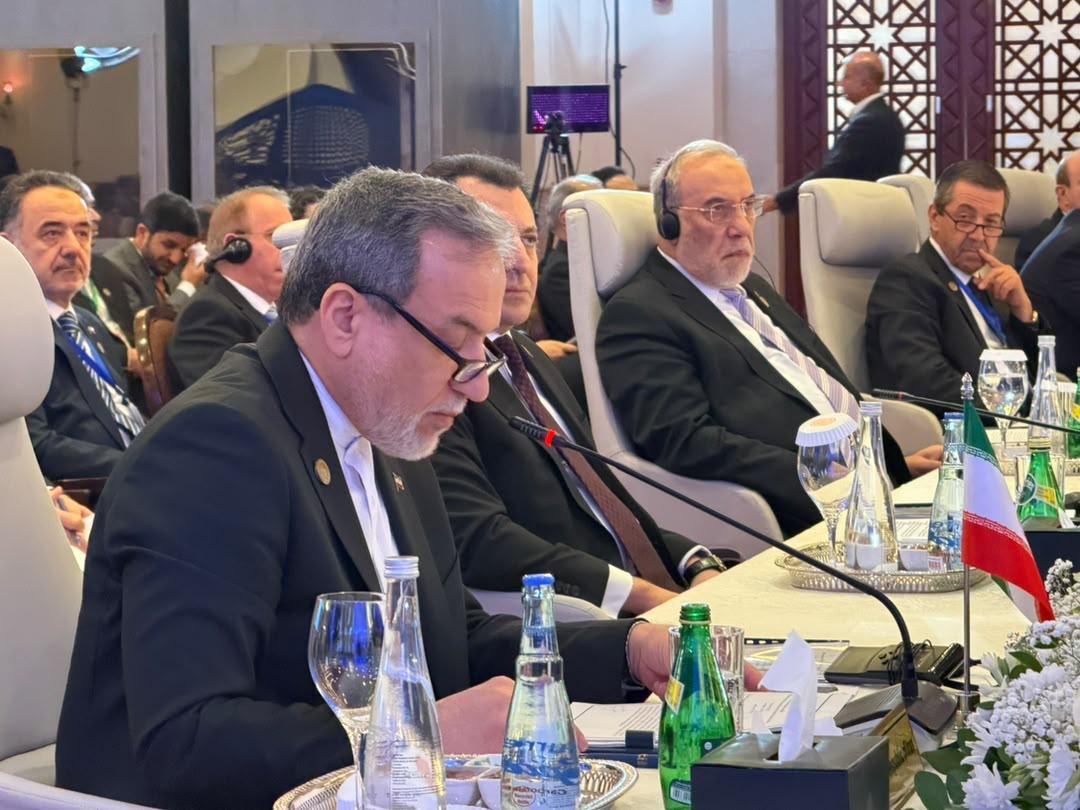
ISLAMABAD, Nov 16 (APP): Iranian Foreign Minister Seyyed Abbas Araghchi on Monday called for stronger regional cooperation in trade, transport and energy, describing the three sectors as strategic pillars for enhancing economic resilience, connectivity and collective security among member states of the Economic Cooperation Organization (ECO).
“In the current global and regional context, trade, transport and energy should constitute the three strategic pillars of ECO cooperation,” Sayyed Abbas Araghchi said while addressing the 30th meeting of the ECO Council of Ministers.
He emphasized that strengthening connectivity, facilitating intra-regional trade and enhancing energy cooperation would reinforce collective resilience, reduce external vulnerabilities and promote a more integrated and self-reliant region.
The Iranian foreign minister welcomed the establishment of the Technical Negotiation Committee to reform the ECO Trade Agreement (ECOTA), urging existing parties to actively pursue negotiations and encouraging other member states to join the process.
He said a modern, inclusive and effective trade agreement could expand regional commerce, strengthen economic resilience and bring benefits to the people of the region.
Abbas Araghchi expressed gratitude to Pakistan’s Ministry of Foreign Affairs and the ECO Secretariat for organizing the meeting. He also thanked Deputy Prime Minister and Foreign Minister Senator Mohammad Ishaq Dar for his leadership within the organization and the warm hospitality extended to the Iranian delegation. He also appreciated ECO Secretary General Asad Majeed Khan and his team for their efforts.
The Iranian foreign minister particularly thanked member states and other countries that had unequivocally condemned the acts of aggression against Iran’s territorial integrity and people, and had extended condolences and expressions of solidarity to the Iranian government and nation.
He said such support was particularly meaningful following the martyrdom of Iran’s Supreme Leader and the loss of several senior political and military officials, and other innocent lives during the aggression.
Referring to the human cost of the conflict, the Iranian foreign minister said that more than 5,000 Iranian citizens had been killed, including 168 students and teachers at the Minab school.
Abbas Araghchi maintained that Iran had consistently supported international law, the UN Charter and the peaceful settlement of disputes through diplomacy. However, he said military aggression, threats, targeted assassinations, economic coercion and blockades had contributed to growing insecurity in the region.
He said the prevailing tensions in the Persian Gulf and developments surrounding the Strait of Hormuz should be viewed in the context of these hostile policies and military actions.
Emphasizing Iran’s relations with neighbouring countries, Araghchi said Tehran had no inherent disputes with regional states and remained committed to friendly and constructive relations. He stressed that the territories, airspace and facilities of regional countries should not be used as platforms for attacks against one another.
He called for genuine, inclusive and regionally owned dialogue on security arrangements, based on non-aggression and preventing third parties from using one country’s territory to commit aggression against another.
Highlighting the importance of energy security, he urged ECO members to develop a reliable and sustainable regional energy mechanism to safeguard energy flows, ensure stable supplies and strengthen collective resilience against geopolitical disruptions.
Drawing attention to the Palestinian situation, he urged the international community to take concrete measures to address the humanitarian crisis in Gaza and the occupied West Bank.
He called for lifting the humanitarian blockade and ensuring uninterrupted delivery of food, medicines, temporary shelters and reconstruction materials to displaced Palestinians.