Doctors have called for increased public awareness and regular diabetes screening, particularly among people at risk, warning that delayed diagnosis can lead to serious health complications and place an additional burden on the healthcare system.
Doctors urge regular diabetes screening to reduce disease burden
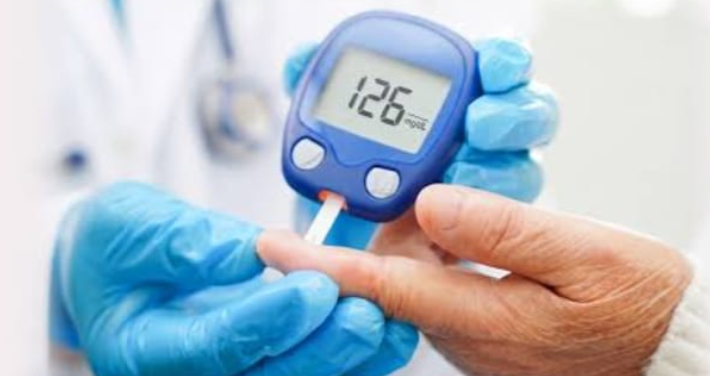
ISLAMABAD, Nov 15 (APP):Doctors have called for increased public awareness and regular diabetes screening, particularly among people at risk, warning that delayed diagnosis can lead to serious health complications and place an additional burden on the healthcare system.
They said diabetes was becoming a major public health challenge in Pakistan, with millions of people living with the condition, many of whom remained unaware of their health status.
According to health experts, Type 2 diabetes can develop without noticeable symptoms, making regular screening essential for early diagnosis and timely intervention.
Dr Aslam Awan, a General Physician, said maintaining a healthy weight, adopting a balanced diet and engaging in regular physical activity could significantly reduce the risk of developing Type 2 diabetes.
He advised people to limit sugary drinks and processed foods and make healthier dietary choices.
Dr Saleem Jawad, a Medical Practitioner, emphasized that early diagnosis was crucial, as many people discovered they had diabetes only after developing complications.
He recommended regular blood glucose testing and HbA1c screening, particularly for people at increased risk.
Dr Fahd Khan, a Medical Specialist, said proper diabetes management, regular monitoring and adherence to medical advice could help patients prevent complications affecting the heart, kidneys, eyes and nerves.
The doctors also highlighted the importance of public awareness about common symptoms, including excessive thirst, frequent urination, unexplained weight loss, fatigue and blurred vision.
They urged citizens to avoid self-medication, seek medical advice and undergo timely screening, stressing that early detection and preventive measures could significantly reduce the growing burden of diabetes.