By Iftikhar Ali UNITED NATIONS, Nov 13 (APP):Amid Houthi military threats to Red Sea shipping, the UN Security Council voted unanimously to adopt a resolution renewing targeted sanctions and asset freezes on designated Yemeni entities, with Pakistan demanding end to the Yemeni group's attacks on Saudi Arabia. The 15-member Council also extended the Yemen Sanctions Committee's expert panel mandate and demanded an immediate halt to all Houthi attacks. Drafted by …
UNSC updates Yemen sanctions regime to address Houthi threats; Pakistan slams attacks on Saudi Arabia
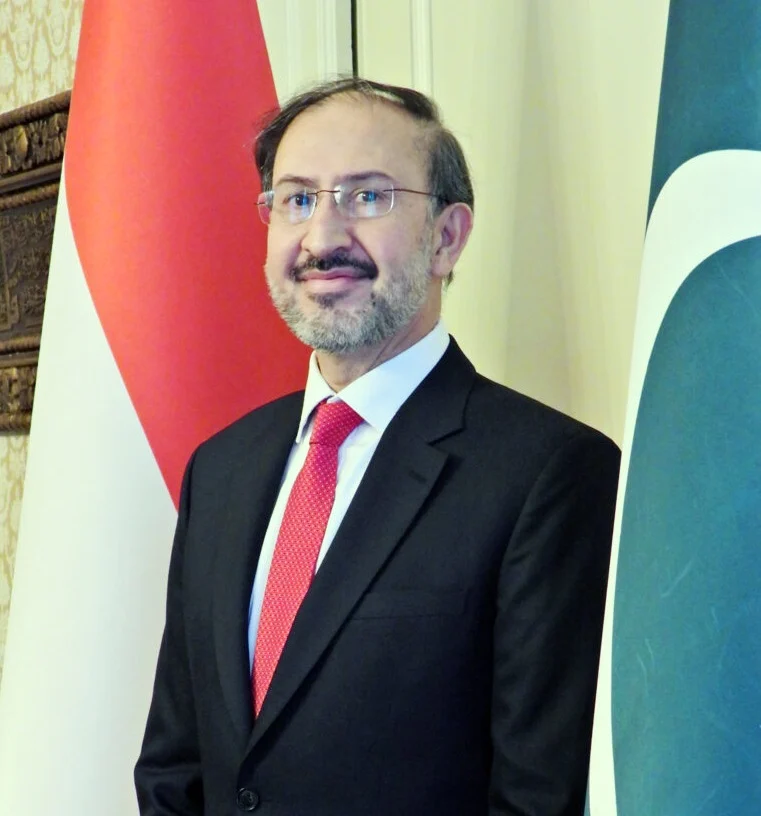
By Iftikhar Ali
UNITED NATIONS, Nov 13 (APP):Amid Houthi military threats to Red Sea shipping, the UN Security Council voted unanimously to adopt a resolution renewing targeted sanctions and asset freezes on designated Yemeni entities, with Pakistan demanding end to the Yemeni group’s attacks on Saudi Arabia.
The 15-member Council also extended the Yemen Sanctions Committee’s expert panel mandate and demanded an immediate halt to all Houthi attacks.
Drafted by the United Kingdom, the resolution — 2837 (2026) — also includes strengthened arms embargo measures aimed at curbing Houthi access to dual-use components and precursor chemicals.
Noting the strengthened measures in the resolution, Pakistan’s UN Ambassador Syed Haider Shah, in explanation of his positive vote, said, “Holding accountable individuals and entities that threaten Yemen’s peace, security and stability remains essential to creating conditions for a durable peace.”
He reaffirmed Pakistan’s condemnation “in the strongest terms” the continued Houthi terrorist attacks against Saudi Arabia, and expressed “full and unwavering solidarity” with the government and “brotherly” Saudi people.
“Our support for the Kingdom’s sovereignty, territorial integrity, security and stability is resolute,” the Pakistani envoy said, supporting Saudi Arabia’s right to defend its territory and protect its citizens and residents.
“We demand an immediate and unconditional cessation of these reprehensible Houthi attacks,” he added.
Effective implementation of the sanctions regime also requires respect for the Council’s institutional framework, Ambassador Haider Shah said, adding that the Panel’s work in accordance with its mandate will strengthen the credibility and effectiveness of its output and contribute to better outcomes.
At the same time, he reaffirmed Pakistan’s support for Yemen’s sovereignty, independence, unity and territorial integrity, and for UN-led efforts to advance an inclusive Yemeni-owned and Yemeni-led political process.
“We remain committed to supporting all efforts to restore peace, stability and security in Yemen and alleviate the profound humanitarian suffering of its people,” the Pakistani envoy added.
Earlier, UK Ambassador Sarah MacIntosh, who led negotiations on the text, underscored that the adoption by consensus of the resolution demonstrated the Council’s determination to take “decisive action” against the reckless attacks carried out by the Houthis in Yemen and against Saudi Arabia and the broader region.
She welcomed the resolution’s strengthening of arms embargo measures, ensuring the sanctions regime “keeps pace with evolving threats, including those pertaining to dual-use components and pre-cursor chemicals, which underpin the Houthis’ local chemical manufacturing capabilities and their ability to launch destabilizing attacks”.
Ambassador MacIntosh said she looked forward to agreeing in the coming months, with fellow Council members, a list of dual-use items to be subject to measures within the sanctions regime.
“Sanctions are not an end in themselves,” she said, underscoring that they are a tool to constrain the Houthis, thereby enabling conditions for lasting and durable peace.
Deploring the worsened humanitarian situation due to the recent fighting, the UK envoy pointed out that 330,000 Yemenis had been displaced, while 22 million people are in need of humanitarian support and protection.