
By Iftikhar Ali UNITED NATIONS, Nov 11 (APP):With just 42 days left until South Sudan’s planned first elections as a sovereign State, Pakistan has urged the full implementation of the 2018 revitalized peace agreement, calling it the war-torn country's only viable framework for a peaceful political transition. "Elections will be one milestone in the peace process, not its end, and implementation of the Revitalized Agreement will remain essential for long-term …
Pakistan calls 2018 peace accord as vital for South Sudan’s transition ahead of historic polls
By Iftikhar Ali
UNITED NATIONS, Nov 11 (APP):With just 42 days left until South Sudan’s planned first elections as a sovereign State, Pakistan has urged the full implementation of the 2018 revitalized peace agreement, calling it the war-torn country’s only viable framework for a peaceful political transition.
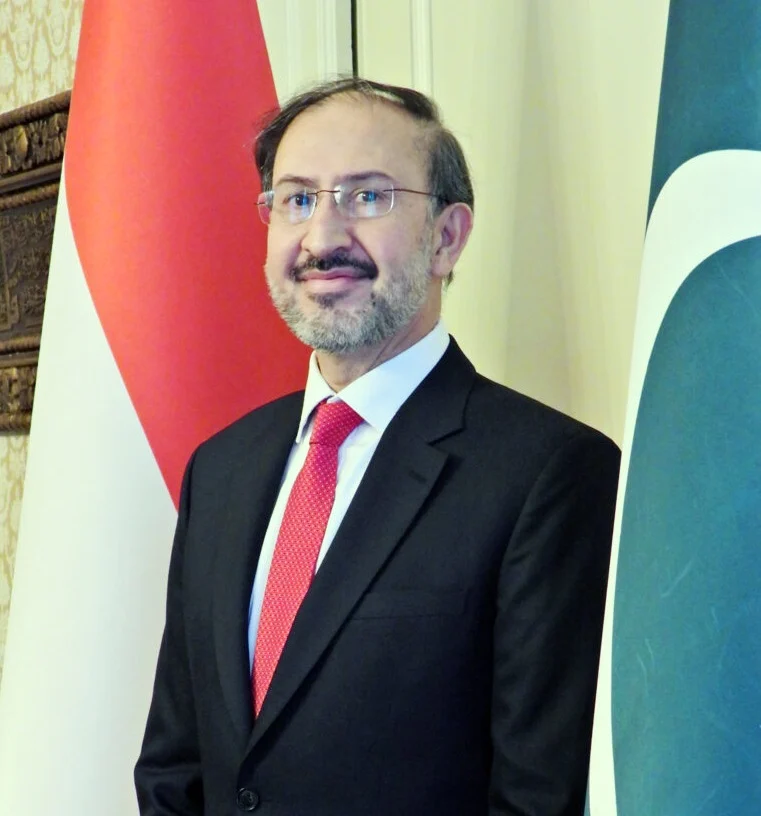
“Elections will be one milestone in the peace process, not its end, and implementation of the Revitalized Agreement will remain essential for long-term stability and reconciliation,” Ambassador Syed Haider Shah, permanent representative of Pakistan to the United Nations, told the UN Security Council which met to consider the recent developments in South Sudan.
South Sudan gained its independence from Sudan in 2011 following a referendum, in which over 98% of the population voted in favour of secession.
In his remarks, the Pakistani envoy said while the Revitalized Agreement remained the only viable and consensual framework for peace and political transition in South Sudan, recent changes to the transitional arrangements — including the dissolution of the Unity Government and establishment of a caretaker administration — have “further strained the political consensus underpinning the Agreement”.
Praising the contribution of the UN Mission in South Sudan (UNMISS) in protecting civilians, facilitating humanitarian access, early warning, local mediation and political stabilization, Ambassador Haider Shah stressed it must have the personnel and capabilities necessary to implement the mandate assigned to it by the Security Council.
As its effectiveness also depends on cooperation from the host authorities, the Pakistani envoy said continued restrictions on UNMISS freedom of movement remain concerning, and urged the Government to remove them.
UNISFA, which currently has about 600 Pakistani peacekeepers, was established by the 15-member Council in June 2011 following the outbreak of violence in the resource-rich border area claimed by both countries.
Voicing concern over the security situation, Ambassador Haider Shah strongly condemned the 24 August attack on the UNMISS patrol in Jonglei, which resulted in the loss of Ethiopian peacekeepers and injuries to United Nations personnel and national counterparts.
Calling the coming weeks “critical”, he said, “Lasting stability will be advanced through dialogue, compromise, implementation of the Revitalized Agreement and strengthened regional engagement, rather than through military confrontation or approaches that risk becoming punitive.”
Briefing the Council, the Special Representative of the UN Secretary-General and UNMISS, Anita Kiki Gbeho, warned that the country faces a critical juncture ahead of elections scheduled for 22 December, with political consensus increasingly fragile.
Although electoral preparations have accelerated, she cited unresolved security arrangements, logistical challenges and opposition demands for the release of Riek Machar.
“Elections cannot substitute for political dialogue”, Gbeho stressed.
On the security front, localized violence and communal tensions have increased, with more than 140 people reportedly killed in recent clashes in Lakes and Warrap States. Communal violence accounts for over 60 per cent of reported civilian casualties this year.
Meanwhile, approximately 10 million people require humanitarian assistance, 7.5 million face food insecurity and humanitarian access restrictions have increased by 38 per cent. Despite operational challenges, UNMISS has expanded humanitarian escorts, reaching more than 321,000 vulnerable people.
Urging an immediate end to fighting, she called for unhindered humanitarian access, freedom of movement for peacekeepers and inclusive political dialogue.
“The true measure of success is simple: whether South Sudanese citizens are safer tomorrow than they are today”, Gbeho concluded.

