ISLAMABAD, Nov 06 (APP):Speakers at the concluding session of the two-day International Iqbal Conference on “Iqbal's Thought and Global Affairs” have emphasised the need to promote Allama Muhammad Iqbal's philosophy, particularly among younger generations, and translate his teachings into practical action for human welfare, peace and sustainable development. Addressing the concluding ceremony, Ambassador of Turkmenistan to Pakistan and Dean of the Diplomatic Corps in Islamabad Atadjan Movlamov described the conference, …
Int’l Iqbal Conference calls for translating poet’s philosophy into practical action
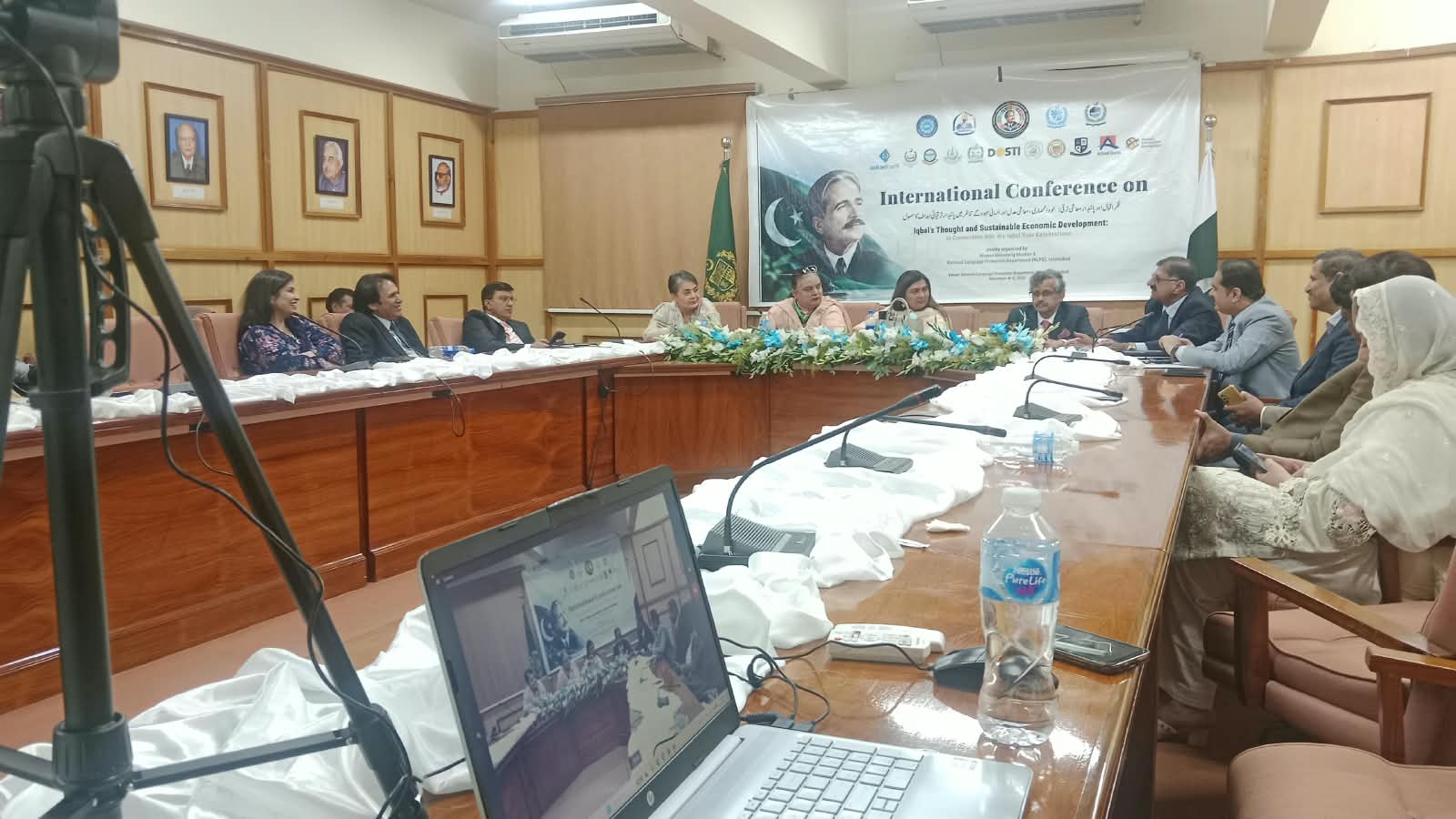
ISLAMABAD, Nov 06 (APP):Speakers at the concluding session of the two-day International Iqbal Conference on “Iqbal’s Thought and Global Affairs” have emphasised the need to promote Allama Muhammad Iqbal’s philosophy, particularly among younger generations, and translate his teachings into practical action for human welfare, peace and sustainable development.
Addressing the concluding ceremony, Ambassador of Turkmenistan to Pakistan and Dean of the Diplomatic Corps in Islamabad Atadjan Movlamov described the conference, organised in memory of Pakistan’s national poet, as an important initiative and an impressive reflection of the country’s rich cultural and intellectual heritage.
He appreciated the efforts to promote cultural and intellectual traditions and stressed the importance of understanding Iqbal’s thoughts and philosophy.
Director General of the National Language Promotion Department (NLPD), Professor Dr Muhammad Saleem Mazhar, said that both Allama Iqbal and Quaid-e-Azam Muhammad Ali Jinnah had acquired the best education available in their respective times.
He said their lives conveyed the message that acquiring quality education was essential, as material possessions could be taken away, but knowledge and intellectual abilities remained with an individual.
He stressed the need to equip younger generations with education and put Iqbal’s teachings into practice, adding that his philosophy transcended geographical and historical boundaries and carried a universal message of human welfare and peace.
Vice Chancellor of Women University Mardan, Professor Dr Razia Sultana, said Iqbal was not merely a poet of one era but belonged to all generations, as his message resonated with people across the world.
She said Iqbal was not only a poet but also a philosopher, economist and lawyer. She thanked the participants, speakers, distinguished guests, vice chancellors and diplomats for making the conference successful and expressed her desire to organise similar academic events in the future.
Vice Chancellor of Mianwali University, Professor Dr Nadeem Sheikh, highlighted the importance of preserving and promoting the national language, saying that a nation’s progress was closely linked to its connection with its language.
He stressed that students should be familiarised with Urdu, warning that future generations might eventually retain the ability to speak the language but lose their capacity to read and write it.
Professor Dr Muhammad Iqbal Shahid called for greater efforts to familiarise the younger generation with Iqbal’s philosophy, saying that developing an understanding of his thoughts was essential to fostering an appreciation of his poetry.
Professor Dr Shazia Bashir of Government College University for Women, Sialkot, said Iqbal should not be remembered only in November but his teachings should be incorporated into everyday life.
She called for greater emphasis on ethics, Seerat and literature in universities and also recited verses from Iqbal’s poetry.
Professor Dr Ashfaq Ahmad, a teacher at the Department of Urdu, FC College, Lahore, said Pakistan was a dream of Iqbal that had materialised, while many of his other visions still required understanding and practical implementation.
He stressed that appreciation of Iqbal’s literary and intellectual contributions should go beyond conferences and ceremonial gatherings, urging society to act upon his ideas.
Renowned poet, columnist and intellectual Muhammad Izhar-ul-Haq urged participants to study the original texts of Iqbal’s poetry and prose to understand his ideas accurately, promote his message and implement it with sincerity.
Earlier, parallel research sessions were held in Halls A and B on the second day of the conference, where researchers and academics presented papers on various literary, intellectual and research themes.
At the concluding ceremony, honorary shields were presented to distinguished guests, keynote speakers, session chairs and nominated co-chairs, while certificates were awarded to paper presenters, session chairs and participants in accordance with the conference policy.