The Sindh government has proposed a $30 million biogas development project to establish five centralized facilities in Hyderabad, Sukkur, Mirpurkhas, Larkana and Shaheed Benazirabad, aiming to produce 120,000 cubic metres of biogas, 63,000 cubic metres of biomethane and 45 tonnes of organic fertilizer daily by processing livestock manure into clean energy and agricultural inputs.
Sindh plans $30m biogas project across five cities
ISLAMABAD, Oct 24 (APP):The Sindh government has proposed a $30 million biogas development project to establish five centralized facilities in Hyderabad, Sukkur, Mirpurkhas, Larkana and Shaheed Benazirabad, aiming to produce 120,000 cubic metres of biogas, 63,000 cubic metres of biomethane and 45 tonnes of organic fertilizer daily by processing livestock manure into clean energy and agricultural inputs.
According to official documents available with Wealth Pakistan, the project, titled “Bio-Gas Development Project for Sustainable Alternatives Towards Affordable Energy”, is designed to promote renewable energy, reduce reliance on fossil fuels, capture methane emissions and strengthen energy security across the province.
The proposed facilities are expected to help avoid approximately 250,000 tonnes of carbon dioxide equivalent emissions annually, with cumulative reductions projected at five million tonnes over 20 years, according to the document.
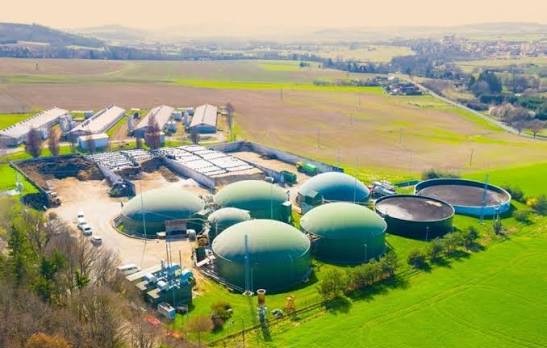
Under the proposed design, the project will comprise five centralised anaerobic manure treatment and biogas production facilities, supported by collection and storage systems, digesters, feedstock handling infrastructure, biogas upgrading and purification units, gas storage facilities, and organic fertilizer processing and testing arrangements.
The initiative aims to convert livestock manure into usable energy while producing organic fertilizer, creating green employment opportunities and developing sustainable business models around biofuel production and waste management.
The document identifies the Sindh Environment, Climate Change and Coastal Development Department (ECC&CDD) as the lead agency, with district administrations, the Sindh Livestock Department and the Sindh Energy Department designated as implementation partners.
Besides expanding access to alternative energy sources, the proposed project is intended to support sustainable agricultural practices through organic fertilizer production and reduce the environmental impact of livestock waste.
The project remains at the proposal stage, with its projected output and environmental benefits based on official estimates.