ISLAMABAD, Oct 23 (APP): The United Nations Assistance Mission in Afghanistan (UNAMA) has highlighted growing restrictions on religious freedom in Afghanistan, reporting the closure of dozens of Ismaili prayer halls in northeastern Badakhshan province and limits placed on Shia religious observances. According to UNAMA’s latest quarterly human rights report, Taliban authorities—led by the Ministry for the Propagation of Virtue and the Prevention of Vice alongside other bodies—have restricted religious practices, including …
UNAMA highlights restrictions on religious practices as as Afghan Taliban close 33 Ismaili worship places
ISLAMABAD, Oct 23 (APP): The United Nations Assistance Mission in Afghanistan (UNAMA) has highlighted growing restrictions on religious freedom in Afghanistan, reporting the closure of dozens of Ismaili prayer halls in northeastern Badakhshan province and limits placed on Shia religious observances.
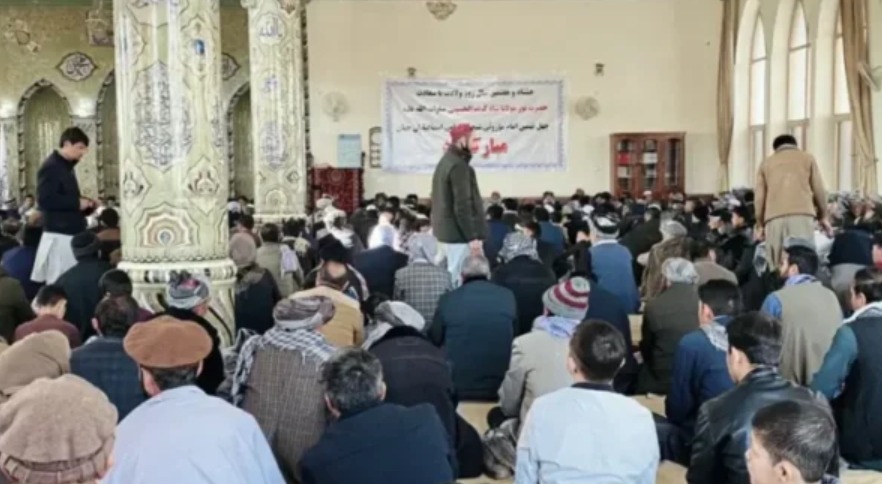
According to UNAMA’s latest quarterly human rights report, Taliban authorities—led by the Ministry for the Propagation of Virtue and the Prevention of Vice alongside other bodies—have restricted religious practices, including closing at least 33 Ismaili prayer halls, known as Jamatkhanas, across Badakhshan province. The closures affected 17 Jamatkhanas in Zebak district, 14 in Ishkashim, and two in Wakhan.
The report noted that authorities instructed worshippers to stop using the Jamatkhanas and cited the presence of mihrabs to argue that the structures should instead function as mosques.
Further reports also note that a Shia Imambargah in Kabul was seized and converted into a madrasa, with followers barred from entering, while media restrictions continue to limit coverage of these developments. To manage sectarian unrest, Deputy Minister of Defence Abdul Qayyum Zakir was appointed as a special operations commander.
UNAMA further detailed restrictions on Shia religious observances during Ashura, noting that Shia communities in Parwan and Logar provinces were instructed to limit their ceremonies strictly to designated mosques. Additionally, UNAMA confirmed that 45 Shia men were detained in Kabul for displaying Ashura flags.
The UN and international rights groups have repeatedly expressed serious concern over these measures, warning that the closure of worship sites and restrictions on religious ceremonies infringe upon freedom of worship, deepen sectarian divisions, and leave various Muslim communities and sects in Afghanistan vulnerable to exclusion.