
According to the report, in Badakhshan and Takhar, disputes over gold mines have frequently escalated into deadly clashes between rival Taliban factions, mining companies, and local residents.
Mining control, factional rivalries continue to fuel unrest in Northern Afghanistan
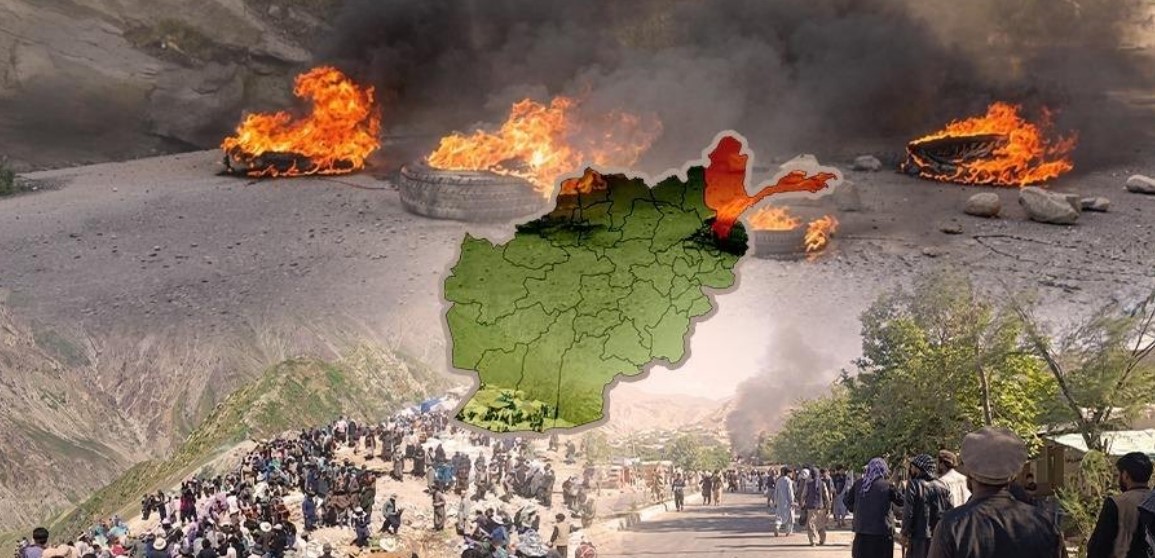
ISLAMABAD, Oct 19 (APP): Unresolved internal disputes over mining control, revenue distribution, and local rights are driving ongoing violence and unrest in northern Afghanistan, according to a comprehensive report published by Pak Asia Youth Forum.
The report, titled “Gold, Power and Grievance: Afghanistan’s Mining Sector and Unrest” says that while the country holds globally significant mineral reserves—including nearly 90 confirmed mineral occurrences and over 30 critical minerals such as lithium, rare earths, copper, and cobalt—mining under Taliban rule operates with little legal restraint or transparency.
Subsidiary laws have been repealed, no independent body audits financial proceeds, and concessions have allegedly been handed to commanders and officials through informal applications.
It emphasizes that the ongoing unrest is fueled chiefly by an internal power struggle between the Kandahari leadership and the Haqqani Network over control of the mining sector.
Local commanders affiliated with the Haqqani faction have fiercely resisted the transfer of mining authority to Kandahari-aligned officials. This friction intensified following a 2024 leadership reshuffle that shifted the Ministry of Mines and Petroleum from Haqqani-aligned Sheikh Shahabuddin Delawar to Kandahar-aligned Haji Gul Agha (Mullah Hidayatullah Badri).
Northeastern provinces like Takhar and Badakhshan represent some of the richest regions for natural resources, containing valuable precious stones, semi-precious stones, and gold. However, local residents face forced displacement, seized farmland, severe environmental damage, violent crackdowns, and unequal economic benefits. Many locals report that the industry benefits only powerful individuals rather than the community.
According to the report, in Badakhshan and Takhar, disputes over gold mines have frequently escalated into deadly clashes between rival Taliban factions, mining companies, and local residents.
Notable incidents include a January 2026 clash in the Samti area of Chah Ab district, Takhar, which resulted in four deaths and five injuries.
The factional infighting also culminated in armed clashes in Badakhshan’s Nusay district involving Haqqani-affiliated commander Jumma Khan Fateh. Fateh ultimately surrendered on August 17, and the Taliban later revealed from an intercepted audio clip that he had contacted the Afghanistan Freedom Front (AFF), an Afghan armed resistance group.
The publication notes that the sector continues to face severe challenges regarding transparency and financial oversight. Major concessions have been allocated through informal applications and personal connections rather than open, competitive tenders.
Documented corruption includes a USD 200,000 bribe over the Wikador mine and a USD 700,000 talc scheme in Nangarhar, alongside undisclosed financial stakes held by high-ranking officials in mines such as the Awez gold deposit in Shahri Buzurg.
Ultimately, the investigation and leadership reshuffle demonstrate that the unrest in northern Afghanistan is an internal matter rooted in domestic grievances, with no external connection.

