Hina Durrani ISLAMABAD, Oct 14 (APP):Deputy Programme Manager (DPM) UN-Habitat Pakistan Hamid Mumtaz Khan has said that Pakistan needs affordable, adequate and climate-resilient housing solutions to address its growing housing deficit, rapid urbanization and recurring natural disasters. In an interview with APP, he said that rapid and often unplanned urbanization was contributing to the expansion of informal settlements and slums, while recurring disasters had further intensified the country’s housing challenges, …
Pakistan needs resilient, affordable housing to address growing urbanization challenges: UN-Habitat DPM
Hina Durrani
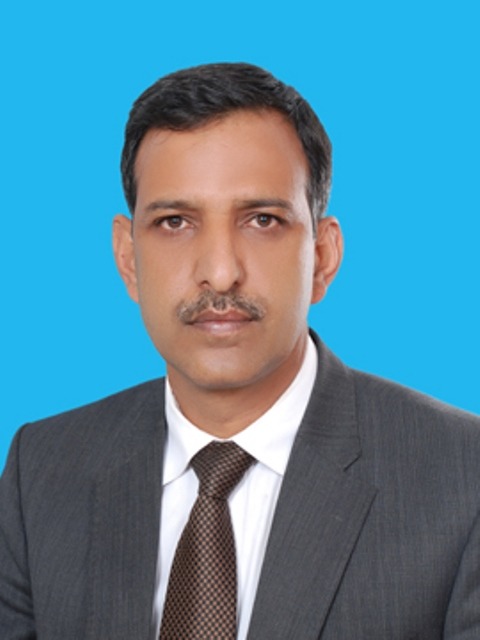
ISLAMABAD, Oct 14 (APP):Deputy Programme Manager (DPM) UN-Habitat Pakistan Hamid Mumtaz Khan has said that Pakistan needs affordable, adequate and climate-resilient housing solutions to address its growing housing deficit, rapid urbanization and recurring natural disasters.
In an interview with APP, he said that rapid and often unplanned urbanization was contributing to the expansion of informal settlements and slums, while recurring disasters had further intensified the country’s housing challenges, with millions of houses affected since the 2005 earthquake.
Addressing the growing housing crisis required a comprehensive approach that focused not only on increasing housing supply but also on ensuring affordability, adequate basic services and the resilience of existing and future homes, he added.
Khan emphasized the need for affordable and incremental housing solutions, access to serviced land, appropriate financing mechanisms and the upgrading of existing informal settlements through meaningful community participation.
He said adequate housing must provide access to safe drinking water, sanitation, essential services and a secure living environment, particularly for low-income communities.
Highlighting the importance of disaster-resilient construction, he said resilience should be incorporated into housing planning, design and construction to protect communities against earthquakes, floods and the growing impacts of climate change.
He stressed that new housing developments should comply with appropriate building standards, while vulnerable existing structures could be strengthened through cost-effective retrofitting.
Climate-responsive designs, energy-efficient construction, improved drainage, rainwater management and the use of appropriate building materials could further enhance the resilience of communities to floods and rising temperatures, he added.
Referring to the National Housing Policy, Khan said it provided an important framework for addressing housing affordability, supply constraints, informal settlements, access to basic services and disaster resilience.
However, he noted that effective implementation of the policy would require coordinated efforts by federal, provincial and local governments, the private sector, communities and development partners.
Explaining UN-Habitat’s role in Pakistan, he said the organization worked closely with government institutions and communities to promote adequate, affordable, resilient and sustainable housing.
Its initiatives included upgrading informal settlements, improving water and sanitation services, strengthening drainage and solid waste management, promoting rainwater conservation and enhancing building safety through measures such as seismic retrofitting.
He said these interventions aimed to support safer, more inclusive and sustainable cities and communities across Pakistan.