KARACHI, Oct 13 (APP): Speakers at a World Heart Day seminar at the University of Karachi stressed the need for early prevention, regular health screenings, and collective efforts by the concerned authorities, medical professionals, and the public to reduce the burden of cardiovascular diseases in Pakistan. The seminar was jointly organised by the Pakistan Islamic Medical Association (PIMA), the International Center for Chemical and Biological Sciences (ICCBS), University of Karachi, …
World Heart Day seminar at Karachi University highlights need for early prevention
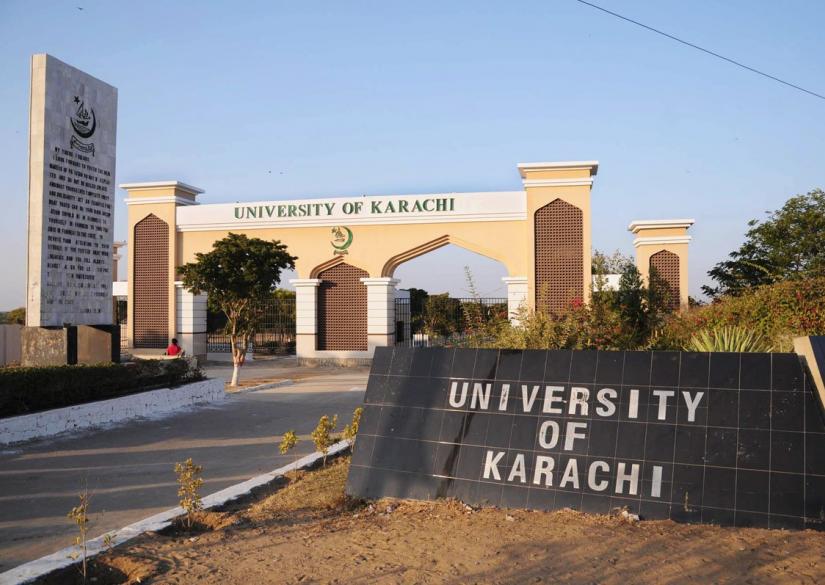
KARACHI, Oct 13 (APP): Speakers at a World Heart Day seminar at the University of Karachi stressed the need for early prevention, regular health screenings, and collective efforts by the concerned authorities, medical professionals, and the public to reduce the burden of cardiovascular diseases in Pakistan.
The seminar was jointly organised by the Pakistan Islamic Medical Association (PIMA), the International Center for Chemical and Biological Sciences (ICCBS), University of Karachi, Pharmaco, and the YESS Society of Pakistan. It was attended by physicians, surgeons, scientific experts, faculty members, and students.
Delivering the keynote address, Prof. Dr. Muhammad Raza Shah, Director of ICCBS, emphasised that cardiovascular diseases remained a major public health challenge in Pakistan and worldwide. He called for coordinated efforts by the concerned authorities and responsible citizens to address the growing burden of heart disease.
Prof. Shah highlighted the importance of scientific research and the knowledge gained through clinical trials in understanding cardiovascular health. He also responded to students’ questions about maintaining a healthy and active lifestyle.
Dr. Salman Ghauri of PIMA highlighted the importance of community participation and the role of non-governmental organisations in promoting public health. He said that PIMA had been contributing to community welfare through its services and urged people to take collective responsibility for one another’s health.
Dr. Khawar Kazmi, Consultant Cardiologist and Head of the Department of Preventive Cardiology at the National Institute of Cardiovascular Diseases (NICVD), discussed findings from data collected in connection with World Heart Day 2025.
He highlighted the importance of monitoring key health indicators, including body mass index (BMI), blood pressure, waist circumference, cholesterol, and blood glucose levels, urging people to remain aware of these measures.
Dr. Tahir Saghir, Director of the National Institute of Cardiovascular Diseases, underscored the importance of prevention and early detection, noting that timely action could help reduce the risk of cardiovascular complications. He encouraged students, faculty members, and community representatives to adopt healthy habits and manage stress.
Prof. Dr. Bashir Hanif, a founding member of the Tabba Heart Institute, discussed differences in cardiovascular risk between South Asian and Western populations.
He emphasised the importance of addressing heart disease risks from an early age, particularly in South Asian communities, where cardiovascular disease can develop at comparatively younger ages. He urged students to take preventive measures early in life.
Prof. Mansoor Ahmed, Consultant Cardiologist, also urged students to prioritise their health, particularly by maintaining healthy sleep patterns and adopting preventive habits. He emphasised that prevention was preferable to relying on medication after health problems had developed.