Pakistan’s shift from cash to digital payments is gaining momentum among small merchants and microentrepreneurs, with interoperable QR payments emerging as a key driver of adoption, according to industry leaders speaking at the International Association of Money Transfer Networks (IAMTN) Annual Summit 2026.
Pakistan’s merchant digitisation accelerates as Cashless push expands
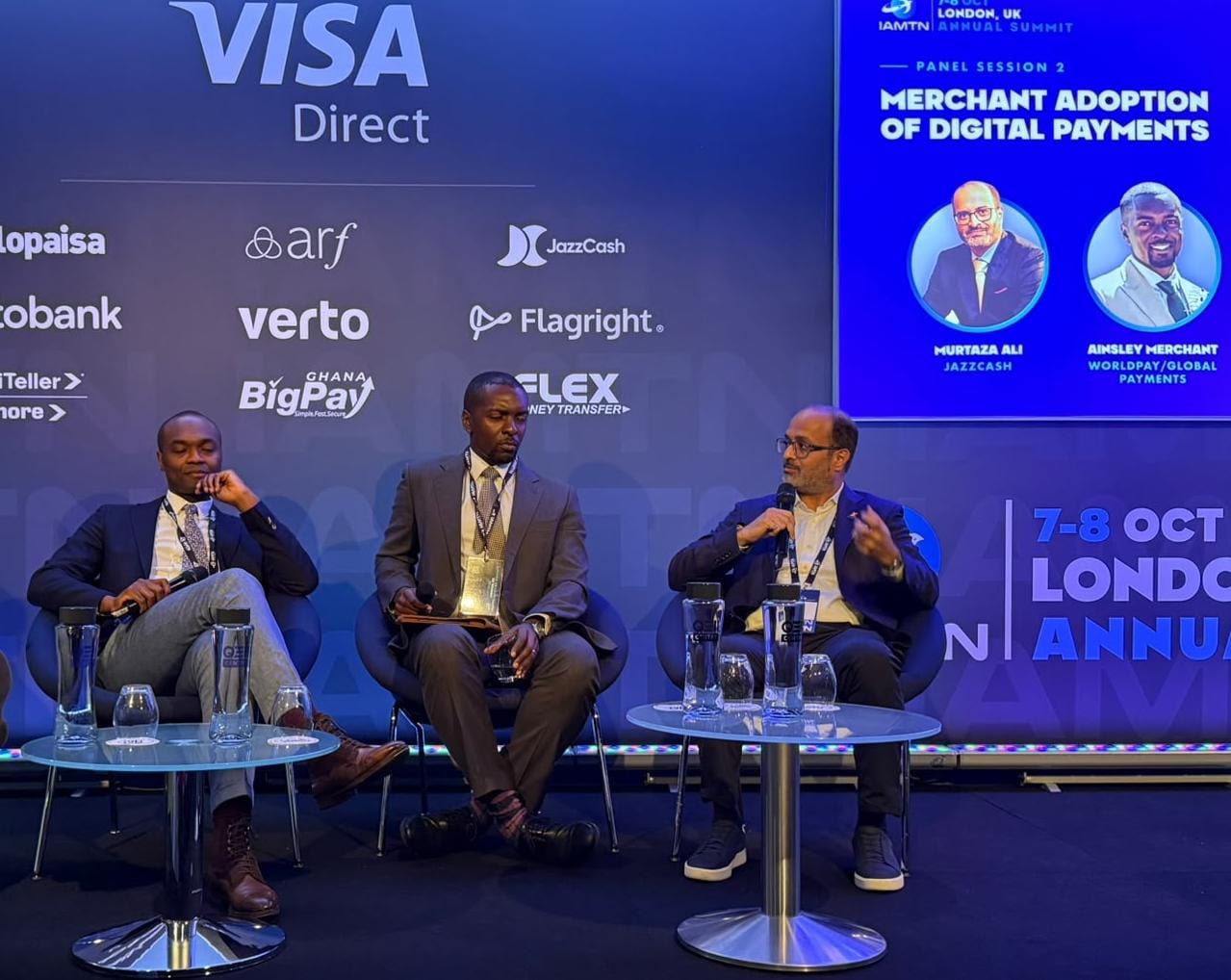
ISLAMABAD, Oct 13 (APP): Pakistan’s shift from cash to digital payments is gaining momentum among small merchants and microentrepreneurs, with interoperable QR payments emerging as a key driver of adoption, according to industry leaders speaking at the International Association of Money Transfer Networks (IAMTN) Annual Summit 2026.
Speaking on a panel on “Merchant Adoption of Digital Payments”, Murtaza Ali, CEO of JazzCash, said the number of interoperable Raast QR-enabled merchants on the JazzCash network has reached 1.9 million, up from fewer than one million at the start of the year. The company is targeting two million by the end of 2026.
The panel also featured Ainsley Merchant of Worldpay and Georges Ferre of IYU and was moderated by Roberto Linares of Remitly.
The rapid expansion comes as Pakistan pushes to reduce its reliance on cash and bring more economic activity into the formal economy under the Prime Minister’s Cashless Economy Initiative, supported by the State Bank of Pakistan’s Raast instant payment infrastructure.
Small businesses account for a large share of Pakistan’s retail economy, while many have traditionally operated outside card and formal digital payment networks. Industry participants say wider QR acceptance could help change that by giving merchants a low-cost way to accept digital payments without investing in conventional point-of-sale terminals.
“Small, thin-margin merchants weigh any upfront cost carefully, and trust comes down to when settlement lands,” Murtaza said during the discussion.
He said QR payments had helped address the cost barrier associated with hardware-based acceptance, allowing smaller businesses such as corner shops, salons and home-based businesses to participate in digital payments.
The growth of interoperable acceptance has also been supported by Raast, which allows customers of different banks and payment providers to transact through a common infrastructure. Murtaza said merchants should not need separate integrations for individual wallets or banks if digital payments are to scale across the economy.
The next challenge, he said, will be moving beyond payment acceptance and making greater use of the transaction data generated by digital commerce. This could include merchant lending and working-capital products based on a business’s digital sales history.
The shift could also have wider implications for financial inclusion and economic documentation. A digital transaction creates a record of business activity, potentially giving merchants a transaction history that can support access to formal credit while providing greater visibility into economic activity.
The discussion also touched on the next phase of digital financial services, including savings, investments and AI-driven customer interaction.
Murtaza said financial services were likely to become increasingly conversational, with customers interacting with financial applications through AI rather than navigating multiple screens. Such services could eventually provide personalised assistance across payments, savings, investments and credit.
He cautioned, however, that trust and security would be critical as AI becomes more deeply embedded in financial services.
“The more AI we bring in, the more robust our security has to be,” he said, adding that customer data would also need to remain sovereign.
JazzCash currently has 64 million registered customers and is a key contributor in Pakistan’s broader transition towards digital payments.