UNICEF and the World Health Organization (WHO) on Tuesday welcomed Pakistan’s National Anemia Reduction Plan (2025–2030), which aims to reduce anemia among women and adolescent girls by 50 per cent by 2030.
UNICEF, WHO hail Pakistan’s anemia reduction plan

ISLAMABAD, Oct 13 (APP): UNICEF and the World Health Organization (WHO) on Tuesday welcomed Pakistan’s National Anemia Reduction Plan (2025–2030), which aims to reduce anemia among women and adolescent girls by 50 per cent by 2030.
Jennifer Melton, Deputy Country Representative of UNICEF, commended the federal and provincial governments, academia and development partners for advancing the national initiative, stressing that coordinated, multisectoral interventions and stronger health systems were essential to addressing anemia and reaching vulnerable and underserved communities.
She noted that anemia affected approximately two in five women of reproductive age and more than half of adolescent girls and young children, undermining their health, education, productivity and economic growth. She reaffirmed UNICEF’s commitment to supporting the government in implementing the plan.
Dr Ellen Thom, WHO Country Representative, congratulated the government and its partners on the initiative, highlighting the serious implications of anemia for maternal health.
She noted that anemia was a major contributing factor to postpartum hemorrhage, a significant cause of maternal deaths in Pakistan.
She said the national plan would contribute to global targets for reducing anemia among women of reproductive age and reaffirmed WHO’s commitment to supporting evidence-based interventions and adapting global best practices to Pakistan’s needs.
The plan envisages reducing anemia among women and adolescent girls by 50 per cent by 2030 through measures including strengthening maternal nutrition, expanding iron and folic acid supplementation, improving screening and treatment, ensuring reliable supplies of essential commodities, and establishing robust data and accountability systems.
Provincial ownership, predictable financing and stronger frontline services were identified as critical to its effective implementation.
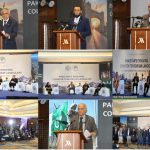
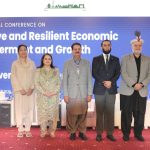
Addressing the launch ceremony, Federal Minister for Planning, Development and Special Initiatives Professor Ahsan Iqbal called for the establishment of dedicated task forces in all provinces to urgently address anemia and child stunting, stressing that Pakistan must translate its understanding of development challenges into effective action and measurable results.
He said identifying problems was not enough, as the real test of governance lay in implementing solutions that improved people’s lives.
He emphasized that tackling anemia and stunting required sustained political commitment, coordinated national action and effective implementation at the provincial and local levels.
“Pakistan’s future depends on the health, education and quality of life of its people. Investing in the health and development of women, girls and children is essential for building our human capital and achieving sustainable economic growth,” he said.
The minister stressed the need to expand social-sector programmes and devolve greater administrative and financial authority to district and local governments, observing that highly centralized systems could not adequately address grassroots challenges without bringing decision-making, monitoring and accountability closer to communities.
Highlighting early childhood development, he said the first five years of a child’s life were critical for physical, cognitive and emotional development.
Children growing up today would shape Pakistan in 2047, making investment in their nutrition, health, learning and well-being a national development priority.
He appreciated the plan’s comprehensive, evidence-based approach, describing anemia not merely as a medical concern but also as a major human capital and economic development challenge.
He called for coordinated action across health, nutrition, education, social protection, food systems, and water, sanitation and hygiene to address its underlying causes.