The Drug Regulatory Authority of Pakistan (DRAP) has made two-dimensional (2D) barcodes and serialization mandatory for pharmaceutical products manufactured locally or imported into Pakistan on or after October 9, 2026, to curb counterfeit medicines and strengthen supply chain transparency.
DRAP makes 2D barcodes mandatory on medicines
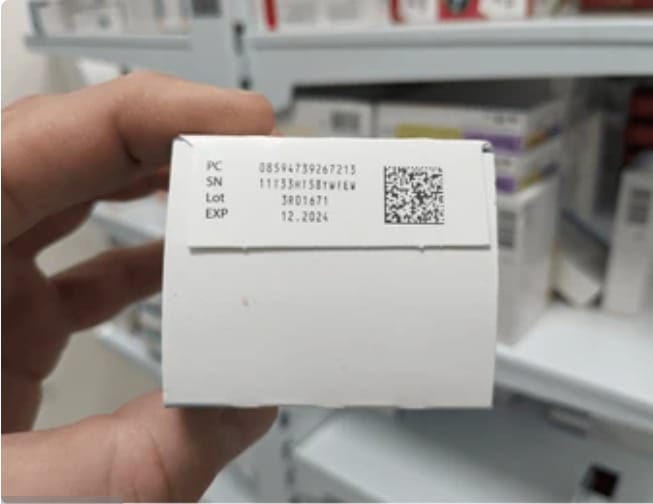
ISLAMABAD, Oct 12 (APP): The Drug Regulatory Authority of Pakistan (DRAP) has made two-dimensional (2D) barcodes and serialization mandatory for pharmaceutical products manufactured locally or imported into Pakistan on or after October 9, 2026, to curb counterfeit medicines and strengthen supply chain transparency.
In a notification issued under the amended Drugs (Labelling and Packaging) Rules, 1978, through S.R.O. 963(I)/2026, DRAP said the requirement would apply to all registered drug products manufactured locally or imported from the effective date under the first phase of the Pharmaceutical Track and Trace System.
However, medicine batches manufactured locally or imported before October 9, 2026, have been exempted from the new requirement and will remain permitted for import, distribution and sale.
Under the system, pharmaceutical products must carry unique 2D Data Matrix barcodes and serial numbers to improve traceability throughout the supply chain.
DRAP said the initiative aimed to prevent the circulation of spurious, falsified, counterfeit and unregistered medicines, facilitate product recalls and enhance transparency in the distribution system.
The authority said it had consulted industry stakeholders, including the Pakistan Pharmaceutical Manufacturers’ Association, Pharma Bureau and importers, to facilitate implementation of the new requirements.
It has also conducted technical sessions, workshops and nationwide training roadshows to familiarize industry representatives with barcode standards, serial number generation, vendor readiness and integration with DRAP’s e-Services portal.
Guidelines on Data Matrix barcodes and serialization, along with video tutorials and user assistance materials, have also been made available to help pharmaceutical companies comply with the requirements.
DRAP warned that manufacturers and importers must strictly adhere to the prescribed technical parameters, adding that non-compliance could lead to legal action under applicable laws.
The initiative is part of DRAP’s Strategic Plan for the National Regulatory System 2026-30, which aims to modernize pharmaceutical regulation and advance digitisation of the country’s drug regulatory framework.