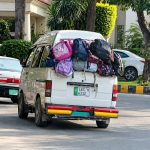
Across the plains of South Punjab, families known as “Pakhiwas” live in small tents on vacant pieces of land. They stay in one place for some time before moving elsewhere, carrying their belongings, traditional skills and memories of the places they have visited. For them, life is a journey and a temporary shelter is home.
Muhammad Atif Ismail
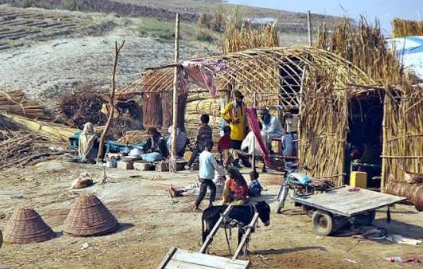
MULTAN, Oct 11 (APP):Across the plains of South Punjab, families known as “Pakhiwas” live in small tents on vacant pieces of land. They stay in one place for some time before moving elsewhere, carrying their belongings, traditional skills and memories of the places they have visited. For them, life is a journey and a temporary shelter is home.
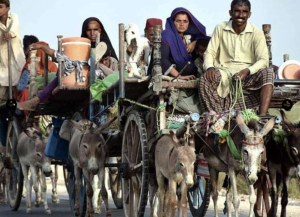
The word “Pakhi” means bird in the local language. Like birds that wander from place to place, these families travel in search of work and shelter, with the open sky as their constant companion.
Their way of life differs from that of settled communities, yet they have preserved their traditions, ancestral occupations and cultural identity across generations.
For Pakhiwas families, home is not always a house with walls and a roof.
Sometimes, it is a tent beneath a tree, a patch of open ground, or a shelter built from whatever materials are available.Their lives remain closely linked to nature, changing seasons and the daily struggle to earn a living.
Saleem Pakhiwas says he has spent his entire life living this way.
“Since I opened my eyes, I have seen our families moving from one place to another and putting up tents wherever we find a suitable place,” he says.
Saleem makes different kinds of baskets to earn a living. His work requires patience and skill, and his products serve practical purposes in everyday life. As factory-made goods become increasingly common, his craft represents a traditional livelihood that continues to survive in the region.
Other community members pursue different occupations. Some collect wastepaper and scrap to support their families. Their work also helps recover materials for reuse and recycling, although their contribution often goes
unnoticed.
Akram Pakhiwas, who has spent much of his life in different parts of Multan, earns money by collecting mango stones.
He gathers them and sells them to farmers and nursery owners who use them to grow mango plants.
South Punjab is famous for its mango orchards, and Akram has connected his livelihood with the region’s agricultural economy.
What many people discard after eating a mango becomes a source of income for him and a useful resource for nursery growers. His work demonstrates how people with limited resources find opportunities in things others leave
behind.
Life in a tent may seem difficult to those accustomed to permanent homes, but Pakhiwas families have learned to adapt. Akram acknowledges that they lack many facilities available to settled households, yet years of experience have taught them to manage everyday challenges.
Summer heat in Multan can be particularly harsh for people living in temporary shelters. Akram says families use small solar panels to meet some basic electricity needs, making daily life more manageable. This reflects how communities with limited resources are finding ways to benefit from modern technology.
Winter brings different challenges. Families cover their shelters carefully to protect themselves from cold winds, using materials and methods learned over generations. Although their homes are simple, experience helps them adapt to changing weather.
Healthcare remains a concern. Akram says families generally obtain medicines from local hakims. Access to regular medical check-ups and nearby health facilities can be difficult when they frequently change locations.
Children spend much of their time playing outdoors, often in the soil around their tents. Their surroundings become their playground, bringing them into close contact with nature.
However, clean drinking water, proper nutrition, vaccination, and timely medical care remain essential for their healthy development.
Education presents another major challenge. Many children from mobile families struggle to attend school regularly because frequent relocation makes it difficult to maintain contact with a single school. Consequently, they may miss opportunities to develop reading, writing, and other essential skills.
Akram says the community has no land of its own, while many members also lack national identity cards. Without these documents, accessing public services and completing official procedures can become difficult.
Despite these challenges, Pakhiwas families continue to preserve traditions passed down by their elders. They learn their occupations through observation and practice, whether making baskets, collecting scrap, or gathering mango stones. These skills form part of South Punjab’s cultural heritage, although they rarely receive wider recognition.
Their story is not only about hardship. It is also about hard work, adaptability, and the determination to survive with limited means. They make use of available resources, find work in different places, and carry their household lives wherever circumstances take them.
At the same time, respecting their culture must go hand in hand with better access to education, healthcare, clean water, and identity documents. Mobile health services, flexible schooling arrangements and assistance with registration could help improve their lives without forcing them to abandon their traditional way of living.
As evening falls over the plains of South Punjab, Pakhiwas families return to their tents after a day of work. Children play nearby, elders share experiences and preparations begin for another night beneath the open
sky.
Their homes may have no permanent address, but their lives hold generations of traditions, timeless skills and stories of resilience. Like birds soaring across the endless skies of South Punjab, the Pakhiwas continue their journey through life, carrying the weight of their struggles, the legacy of their ancestors and an unbroken hope for a brighter tomorrow.