Pakistan’s role as a lead peacemaker in 2026 has complemented its decades-long contribution as a leading United Nations peacekeeper and supported the principles of the UN Charter, said Sardar Masood Khan, Former Ambassador of Pakistan to the United States, China and the United Nations, and former President of Azad Jammu and Kashmir.
Pakistan’s peacemaking role in 2026 builds on decades of UN peacekeeping: Masood Khan
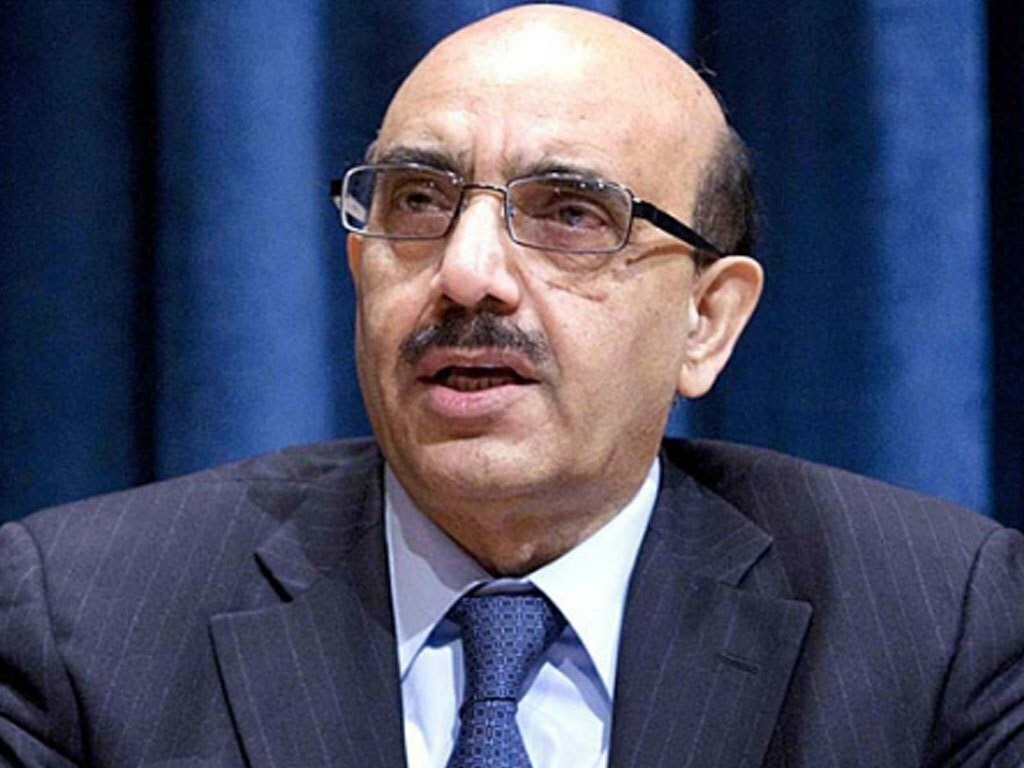
ISLAMABAD, Oct 8 (APP): Pakistan’s role as a lead peacemaker in 2026 has complemented its decades-long contribution as a leading United Nations peacekeeper and supported the principles of the UN Charter, said Sardar Masood Khan, Former Ambassador of Pakistan to the United States, China and the United Nations, and former President of Azad Jammu and Kashmir.
In a statement issued here following United Nations Secretary-General António Guterres’s visit to Pakistan, Ambassador Khan said the visit carried both symbolic and substantive importance for Pakistan and the United Nations.
He said Pakistan had been a major contributor to UN peacekeeping since 1960, serving across continents and making significant sacrifices in international peacekeeping missions.
He said Pakistan had contributed peacekeepers to numerous UN missions in different parts of the world and continued to have thousands of personnel serving under the UN flag.
Against this background, he said, Pakistan’s emergence in 2026 as a lead peacemaker represented an important extension of its longstanding commitment to international peace and the UN Charter.
Ambassador Khan said Pakistan had convened regional countries, including Saudi Arabia, Egypt and Türkiye, to build consensus around its mediation efforts and subsequently received support from China, the European Council, Canada, Australia, the OIC and Gulf countries.
He said Pakistan had, in effect, performed a role that the United Nations itself was mandated to play by helping avert conflict and facilitate peace.
He said Secretary-General Guterres’s visit provided an opportunity to acknowledge Pakistan’s contribution to peacekeeping and peacemaking.
Ambassador Khan also recalled Guterres’s longstanding association with Pakistan, including his support during humanitarian crises and his efforts to mobilise international assistance for Pakistan following the devastating 2022 floods.
Turning to Pakistan’s other international concerns, Ambassador Khan said the United Nations was currently constrained by divisions within the Security Council, particularly among the Permanent Five, which had affected decision-making.
Nevertheless, he said, the Secretary-General had continued efforts to resolve disputes and support peoples facing conflict and oppression.
He identified Jammu and Kashmir, the Indus Waters Treaty and terrorism emanating from Afghan territory as key issues on which Pakistan had received moral and diplomatic support from the United Nations and the Secretary-General.
However, he said institutional constraints had prevented the UN from providing proactive assistance to Pakistan beyond declarations and diplomatic pronouncements.
Ambassador Khan expressed hope that the incoming UN Secretary-General would place Jammu and Kashmir more prominently on the international diplomatic agenda, describing it as a potential nuclear flashpoint requiring sustained international attention.
He further said Pakistan continued to face a serious terrorism challenge, arguing that while the international war on terror had ended for many countries, Pakistan was still confronting terrorism with the same intensity and lethality experienced during the period of NATO’s military presence in Afghanistan.