From learning to earning, women from Lower Chitral have taken an important step towards economic independence by receiving hands-on vocational training under the Ba-Ikhtiyar Women Project at the Drosh Institute of Computer and Technical Education.
Women from Lower Chitral equipped with skills in fashion design, food processing, digital marketing
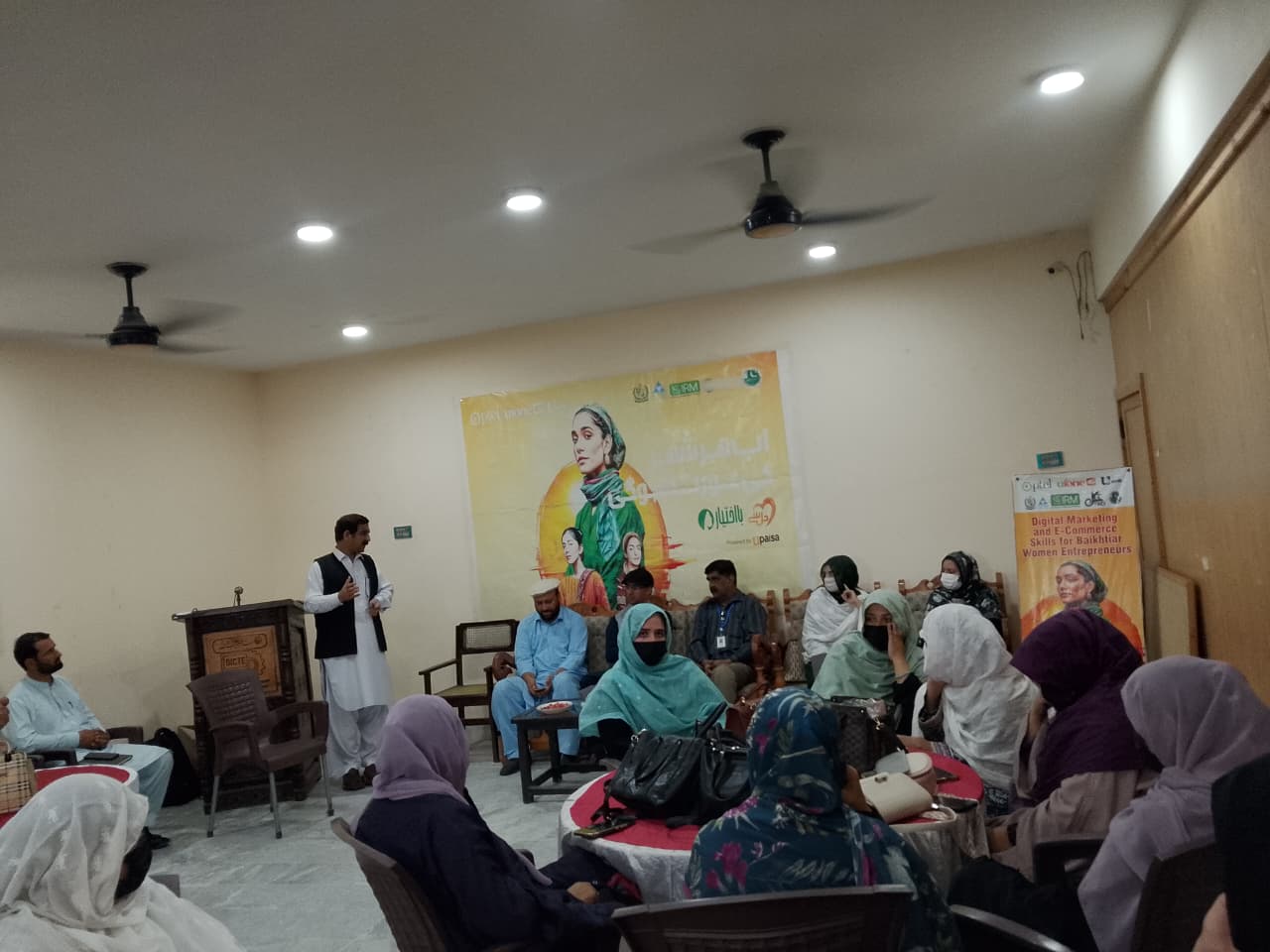
PESHAWAR, Oct 07 (APP): From learning to earning, women from Lower Chitral have taken an important step towards economic independence by receiving hands-on vocational training under the Ba-Ikhtiyar Women Project at the Drosh Institute of Computer and Technical Education.
According to a press release issued here on Wednesday, the initiative supports Pakistan’s Vision 2025 priorities and relevant Sustainable Development Goals (SDGs) by promoting women’s economic participation, employment, digital transformation, poverty reduction and inclusive growth.
A total of 34 young women completed the training, including 20 in garments and fashion designing and 14 in food processing and value addition.
The participants also received training in digital literacy, digital marketing, financial literacy, entrepreneurship, life skills and leadership, equipping them with practical skills and confidence to pursue livelihood opportunities.
Funded by the Pakistan Poverty Alleviation Fund (PPAF) and implemented by Takal Welfare Organization (TWO), with technical support from the Institute of Rural Management (IRM), the initiative was further supported by PTCL, Ufone and UBank, which provided smart mobile phones, Ufone SIMs and UBank accounts to promote digital connectivity and financial inclusion, the press release added.
The certificate distribution ceremony was attended by Muhammad Ali, Assistant Commissioner Drosh, as chief guest, along with representatives of the ADO and ASDO Female Education Department and other stakeholders.
Speaking at the ceremony, the participants and organisers stressed that training alone was not enough to ensure sustainable livelihoods, calling for continued support from the government, financial institutions, private-sector organisations and development partners to connect women with finance, markets and mentoring opportunities.
They said such support could help the women turn their newly acquired skills into sustainable livelihoods, increased household incomes and greater financial independence.